
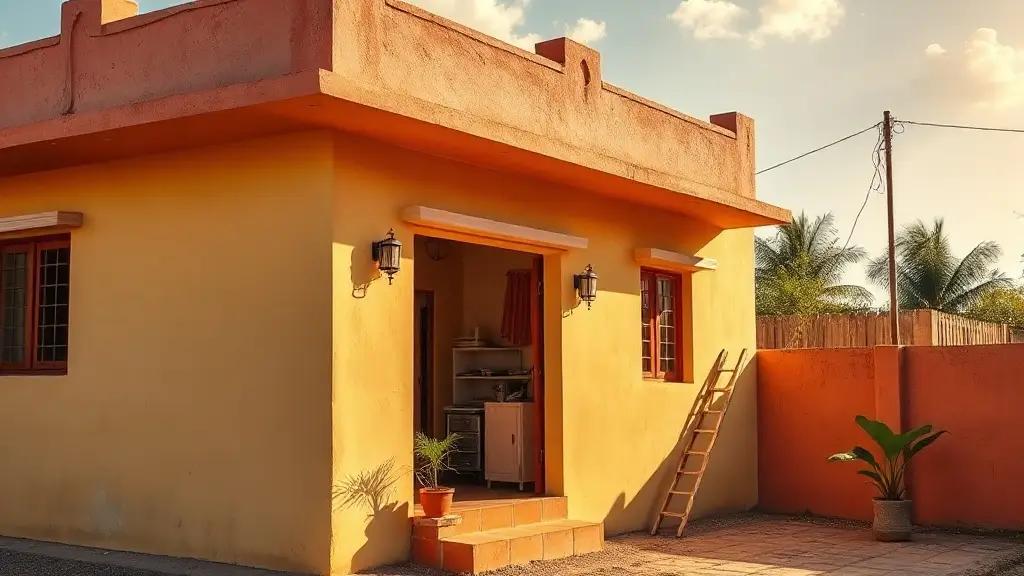
India's exterior paint market is seeing a wave of new product launches as leading manufacturers compete to deliver longer-lasting, better-performing solutions for the country's diverse and demanding climate zones. From the humid coastal belt of Tamil Nadu to the sun-baked plains of central India, buildings face weathering conditions that test paint to its limits. For homeowners and contractors, these innovations translate into real choices at the paint shop counter — and understanding what actually sets premium exterior products apart helps you invest wisely rather than simply paying more for a brand name.
Why Exterior Paint Technology Is Advancing Rapidly in India
India's construction boom, combined with growing consumer awareness about maintenance costs, has pushed paint manufacturers to develop products that genuinely outlast older formulations. The focus has shifted from basic coverage and colour to long-term performance metrics: how well does the film resist UV degradation, how effectively does it repel water, and how long before the surface shows biological growth or colour change? These questions matter particularly in Tamil Nadu, where the combination of intense sunlight, monsoon rainfall, and coastal salt air creates one of the most hostile environments for exterior surfaces anywhere in Asia.
New generation exterior paints use advanced polymer technologies that create a denser, more flexible film than older acrylic formulations. This means fewer micro-cracks forming over time, better resistance to the thermal expansion and contraction that occurs daily between cool mornings and hot afternoons, and improved ability to bridge hairline cracks in the substrate. The result is a paint film that actively protects the wall rather than just decorating it.
Choosing the Right Exterior Paint System for Tamil Nadu's Climate
Selecting an exterior paint is not simply a matter of picking a colour and a brand. The best results come from treating exterior painting as a complete system: surface preparation, primer, intermediate coats if needed, and a topcoat matched to the specific exposure conditions of your building. For coastal properties in Ramanathapuram and surrounding areas, products with enhanced salt-spray resistance and anti-fungal properties are a priority. For buildings on main roads with high dust and pollution exposure, a self-cleaning or easy-wash exterior paint helps maintain appearance between painting cycles.
Before any exterior topcoat is applied, proper surface preparation is non-negotiable. Filling cracks with wall putty, treating any areas of seepage with a dedicated waterproofing product, and applying a quality primer all contribute to the final durability of the paint job. Homeowners who invest in preparation typically find that even a mid-range exterior paint performs significantly better than a premium product applied over a poorly prepared surface.
How to Get Maximum Value from Your Exterior Paint Budget
One of the most common misconceptions about exterior painting is that spending more on paint automatically delivers better results. In practice, the quality of application and preparation accounts for at least half of the outcome. The best exterior paint in the world will still peel and fade quickly if applied too thinly, in rain or high humidity, or over a chalky or contaminated surface. Hiring an experienced painter who understands surface preparation and application technique is just as important as choosing the right product.
For budget-conscious homeowners, a practical approach is to invest in quality for high-risk areas — such as parapet walls, window sills, and plinth areas that are most exposed to water — while using a reliable mid-range exterior paint on larger wall surfaces. Adding a waterproofing coat to flat roof slabs before they drain onto walls is one of the highest-return investments you can make, as it prevents the seepage that causes paint failure from within rather than from outside.
Frequently Asked Questions
Q: How do I choose between different grades of exterior paint for my home?
Start by assessing your building's exposure: proximity to the sea, amount of direct sunlight, history of seepage, and your repainting budget and cycle. Premium exterior paints make the most sense for highly exposed coastal or high-humidity locations where repainting every 3 to 4 years would otherwise become routine. For sheltered walls in less demanding environments, a quality mid-range product applied over wall putty and a primer delivers excellent value.
Q: Can I apply exterior paint directly without a primer?
Applying exterior paint without a primer is not recommended, particularly on new plaster or previously painted surfaces that have chalked or peeled. A primer seals the surface, improves adhesion, and reduces paint consumption by preventing the topcoat from soaking into porous substrate. Skipping the primer typically shortens the life of the paint job and increases total cost over time.
Q: How soon after the monsoon can I repaint exterior walls?
Exterior walls should be allowed to dry completely after the monsoon before repainting — typically 2 to 4 weeks of dry weather depending on wall thickness and porosity. Painting over damp walls traps moisture behind the film, leading to blistering and peeling. Check for moisture content using a moisture meter if available, or press a sheet of plastic against the wall overnight; condensation on the inside indicates the wall is still too wet to paint.
Related Products at Quality Colours
- Exterior Paints — Weather-resistant finishes for Tamil Nadu's coastal climate
- Waterproofing Solutions — Prevent seepage before it damages your paintwork
- Wall Putty — Crack filling and surface levelling for a flawless base coat
- Texture Paints — Durable decorative finishes for exterior and interior walls
- Wood Primer — Essential protection for wooden surfaces before topcoating
Need expert paint advice? Call or WhatsApp Quality Colours: +917418831122
Source: Jotun India unveils Jotashield Eterna for exterior paint market - Manufacturing Today India


