
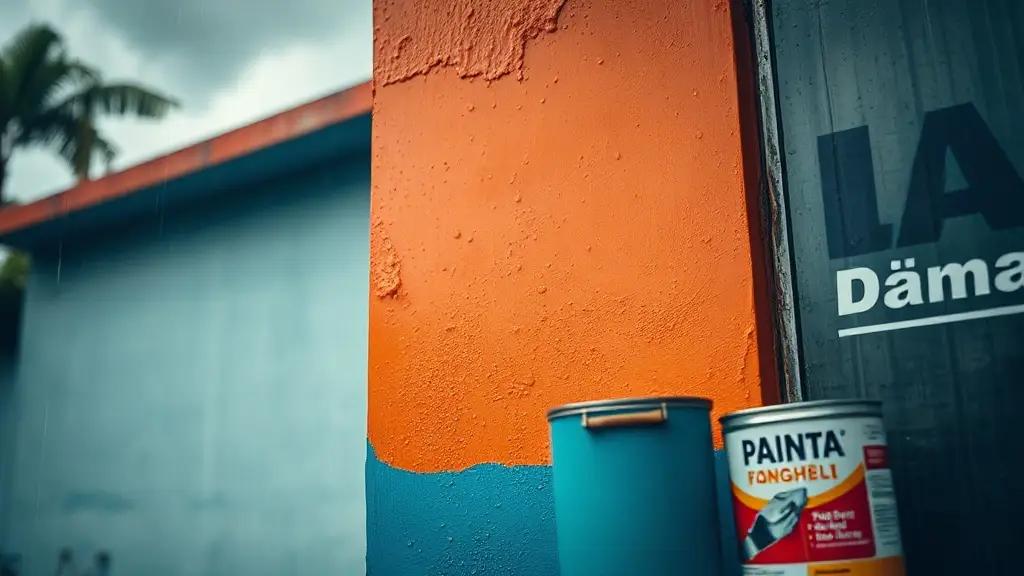
Tamil Nadu homeowners know the struggle all too well — exterior walls that look fresh after painting but begin to crack, fade, and peel within just a couple of years. The relentless coastal humidity, intense UV radiation, and heavy monsoon rains create a punishing environment for any exterior surface. The good news is that the paint industry is now responding with advanced anti-ageing systems designed specifically to combat these conditions. Understanding what makes these systems work can help you make smarter decisions the next time you plan to repaint your home or commercial property.
Why Exterior Walls Age So Quickly in Tamil Nadu
The climate across Tamil Nadu — from Chennai's coastal heat to Coimbatore's dry winds and the heavy rainfall in districts like Madurai and Tirunelveli — puts enormous stress on exterior wall surfaces. UV rays break down paint binders, moisture seeps into micro-cracks causing efflorescence, and temperature fluctuations cause the wall substrate to expand and contract repeatedly. All of this leads to chalking, flaking, and unsightly stains that age your building far faster than it should.
This is why surface preparation matters just as much as the paint itself. Before applying any exterior paint, professionals recommend filling hairline cracks and smoothing the surface with a high-quality wall putty. A well-prepared base allows the topcoat to bond firmly and flex with the wall rather than cracking away from it — dramatically extending the life of your paint job.
What Makes an Anti-Ageing Exterior Paint System Work
Modern anti-ageing exterior paint systems are not just a single coat of paint — they are multi-layer solutions engineered to handle specific threats. The core technology typically involves advanced acrylic or elastomeric binders that remain flexible even after years of UV exposure, along with UV-reflective pigments that reduce surface temperature and slow down the fading process. Water-repellent additives form a hydrophobic barrier that causes rainwater to bead off the wall instead of being absorbed.
For Tamil Nadu homes, a complete exterior protection system should ideally include a waterproofing primer or coat at the base layer, followed by a premium exterior paint with anti-algae and anti-fungal properties. Fungal growth — the black and green streaks you see on so many walls here — is a major issue in humid coastal areas, and a good anti-ageing system directly addresses this. Choosing products with verified weathering performance ratings ensures your walls stay protected through multiple monsoon seasons without requiring a fresh coat every year.
How to Choose the Right System for Your Home or Project
Not every building has the same requirements. A newly constructed villa in an upmarket layout needs a different approach compared to a decade-old commercial building that has seen multiple paint layers. For new constructions, allowing the wall to cure fully before applying any finish is critical — painting too early traps moisture and causes bubbling. An experienced paint contractor will typically recommend a waterproofing treatment on the raw wall, followed by a primer coat, and then two coats of a quality exterior paint for best results.
For renovation projects where the old paint has badly deteriorated, it may be necessary to scrape and sand the surface thoroughly before any new application. In some cases, texture paint can be an excellent choice — it not only hides minor surface imperfections but also adds an attractive decorative finish while providing an additional layer of weather resistance. Consulting a knowledgeable paint supplier in your area, rather than going by price alone, can save you from expensive repaints down the line.
Frequently Asked Questions
Q: How often should exterior walls in Tamil Nadu be repainted?
With a basic exterior paint, most walls need repainting every 3 to 5 years due to the harsh climate. However, using a premium anti-ageing exterior paint system combined with proper surface preparation and a waterproofing base coat can extend this interval to 7 to 10 years, saving you significant time and money.
Q: Is wall putty necessary before applying exterior paint?
Yes, applying wall putty before exterior paint is highly recommended. It fills hairline cracks and surface pores, creating a smooth, uniform base that helps the paint adhere properly. Without it, paint tends to peel faster, especially in areas exposed to direct sun and rain like most Tamil Nadu exteriors.
Q: Can waterproofing and exterior paint be used together?
Absolutely. In fact, using a dedicated waterproofing coat beneath your exterior paint is one of the best ways to protect your walls long-term. Waterproofing prevents moisture ingress at the structural level, while the exterior paint provides UV protection, colour retention, and an attractive finish on top. Together they form a comprehensive shield against Tamil Nadu's weather.
Related Products at Quality Colours
- Exterior Paint — Weather-resistant finishes for Tamil Nadu's climate
- Waterproofing Solutions — Protect your walls from rain and moisture
- Wall Putty — Smooth base coats for long-lasting paint adhesion
- Texture Paint — Decorative and protective finishes for exterior surfaces
- Wood Primer — Essential protection for all wooden surfaces
Need expert paint advice? Call or WhatsApp Quality Colours: +917418831122
Source: Asian Paints Launches Best Performing Anti-ageing System for Exterior Walls - PR Newswire


