
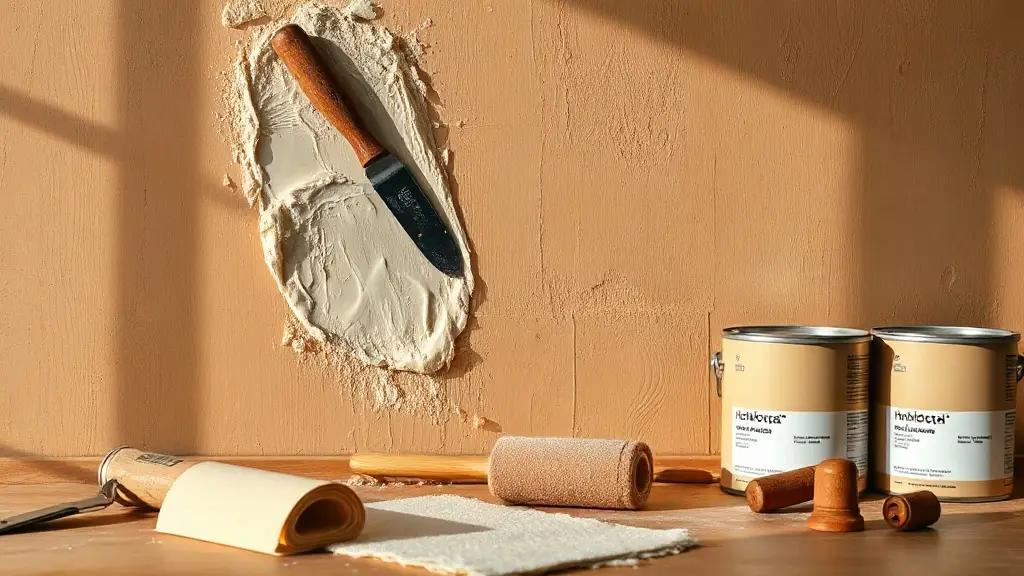
Great painting — whether on canvas or on your home's walls — is never just about slapping on a single coat and calling it done. Renowned Indian artist Shanti Panchal describes his painting practice as deeply meditative, often building up as many as ten to fifteen layers of colour before achieving the depth and richness he desires. This philosophy holds a powerful lesson for homeowners and contractors across Tamil Nadu: the secret to truly stunning, long-lasting walls lies in patience, proper preparation, and thoughtful layering. At Quality Colours Paint Shop, we believe every wall deserves that same level of care and craftsmanship.
Why Colour Layering Makes a Real Difference
When an artist builds up multiple layers of pigment, each coat adds transparency, tone, and life to the final image. The same principle applies to painting your home. A single coat of paint rarely delivers the vibrancy or durability that homeowners expect — especially in Tamil Nadu's demanding climate, where heat, humidity, and monsoon rains put surfaces under constant stress. Applying paint in multiple thin, even coats allows each layer to bond properly, creating a finish that is both richer in colour and far more resilient over time.
Achieving this kind of professional result begins well before you open a tin of paint. Surface preparation is everything. Filling cracks, sanding rough patches, and applying a quality wall putty creates the smooth, stable base that allows subsequent colour coats to adhere evenly and look their very best. Skipping this step is one of the most common reasons painted walls develop peeling, bubbling, or uneven patches within months.
Choosing the Right Paint for Tamil Nadu's Climate
Tamil Nadu's coastal humidity and fierce summer sun demand paints that are specifically formulated to withstand these conditions. For exterior surfaces, selecting a high-quality exterior paint with UV-resistant and water-repellent properties is not optional — it is essential. A good exterior paint creates a breathable yet protective barrier that keeps moisture out while allowing trapped vapour to escape, preventing the dreaded bubbling and flaking that so many homeowners face after the monsoon season.
For areas particularly prone to dampness — such as bathrooms, kitchens, compound walls, and terrace surfaces — investing in a dedicated waterproofing solution before your top coats is a smart long-term decision. Waterproofing treatments seal the substrate at a deeper level, ensuring that the beautiful layered finish you work so hard to achieve stays intact for years rather than seasons.
Adding Depth and Character with Texture
Shanti Panchal's layered technique produces work that practically glows with depth and texture. You can bring a similar sense of artistry to your interiors and exteriors by exploring texture paint. Texture coatings add a three-dimensional quality to walls that flat paint simply cannot replicate — they can mimic stone, sand, or woven patterns, and they also help conceal minor surface imperfections beneath their rich, tactile finish. For contractors looking to offer clients something beyond the ordinary, texture paint opens up a world of creative possibilities.
On wooden surfaces such as doors, window frames, and furniture, the foundation of any long-lasting paint job is a quality wood primer. Just as an artist primes a canvas before layering colour, wood primer seals the grain, prevents tannin bleed, and gives top coats something solid to grip. Without it, even the finest topcoat will peel prematurely — wasting time, money, and effort.
Frequently Asked Questions
Q: How many coats of paint should I apply on interior walls in Tamil Nadu?
For best results, we recommend starting with a wall putty coat for surface smoothness, followed by a primer, and then a minimum of two finish coats. In high-traffic rooms or areas with discolouration, three finish coats will give you richer colour and better durability.
Q: Is waterproofing necessary before applying exterior paint?
Yes — particularly in Tamil Nadu, where monsoon rains and humidity can cause significant moisture ingress. Applying a waterproofing solution to exterior walls before your finish coats protects the structure and dramatically extends the life of your paint job, saving you money on repainting in the long run.
Q: Can texture paint be used on both interior and exterior walls?
Absolutely. Texture paints are available in formulations suited to both interior feature walls and exterior facades. For outdoor use, always choose a texture paint with weather-resistant properties so it can handle Tamil Nadu's heat and rains without cracking or fading.
Related Products at Quality Colours
- Wall Putty – Smooth Surface Preparation
- Exterior Paint – Weather-Resistant Finishes
- Waterproofing Solutions – Protect Your Walls
- Texture Paint – Decorative Wall Finishes
- Wood Primer – Long-Lasting Wood Protection
Need expert paint advice? Call or WhatsApp Quality Colours: +917418831122


