
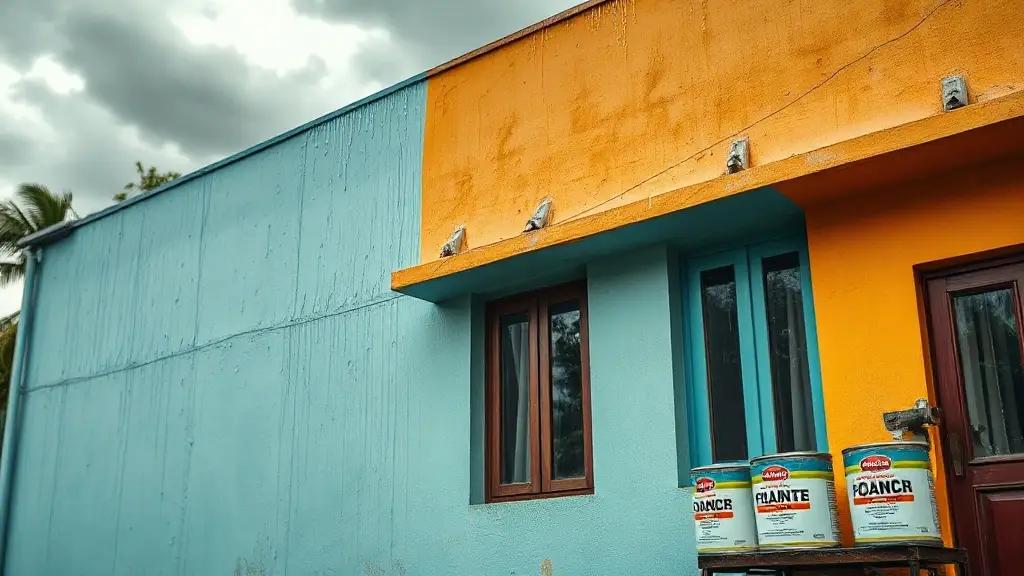
Owning a home in Tamil Nadu comes with its own set of challenges — intense summer heat, heavy monsoon rains, and high humidity levels that can take a serious toll on your walls. Whether you are a homeowner looking to refresh your living space or a contractor managing multiple projects, choosing the right paint system makes all the difference. From preparing the surface properly to selecting durable finishes, every step matters. In this guide, we walk you through the smartest ways to protect and beautify your property using proven products and techniques suited for Tamil Nadu's unique climate conditions.
Why Surface Preparation Is the Foundation of a Long-Lasting Paint Job
Many homeowners focus entirely on the final colour and finish, overlooking the most critical step: surface preparation. Without a properly prepared wall, even the most premium paint will peel, crack, or blister within months. Applying a quality wall putty before painting fills hairline cracks, smoothens uneven surfaces, and creates a strong bonding base that helps topcoats adhere firmly. This step is especially important in older homes across Tamil Nadu where walls may have accumulated years of dust, moisture damage, and minor structural cracks.
Professional contractors consistently recommend spending adequate time on surface prep rather than rushing to apply the final coat. Cleaning the wall, filling gaps, sanding rough patches, and allowing the surface to fully dry are all non-negotiable steps. Skipping them not only reduces the lifespan of the paint but also increases repainting costs in the long run. A solid preparation routine paired with good wall putty can nearly double the durability of your paint job.
Choosing the Right Exterior Paint for Tamil Nadu's Climate
Tamil Nadu experiences some of the harshest weather conditions in India — scorching UV rays during summer, lashing rains during the northeast monsoon, and persistent coastal humidity in cities like Chennai, Pondicherry, and Rameswaram. Standard interior paints are simply not built to withstand these extremes on outdoor surfaces. A high-quality exterior paint formulated with weather-resistant and UV-protective properties is essential for maintaining the appearance and structural integrity of your home's outer walls.
When selecting exterior paint, look for formulations that offer elasticity to handle surface expansion and contraction due to temperature changes, resistance to algae and fungal growth, and ease of cleaning. Colours may also fade faster in sun-exposed regions, so choosing paints with superior colour retention is wise. At Quality Colours, we stock a wide range of exterior paint options tailored for the demanding Tamil Nadu environment, suitable for both residential bungalows and large commercial buildings.
The Role of Waterproofing in Protecting Your Home
Water seepage is one of the most common and costly problems faced by homeowners across Tamil Nadu, particularly during the monsoon season. Dampness inside walls leads to paint peeling, mould growth, and over time, structural weakening. This is why investing in proper waterproofing before painting is not a luxury — it is an absolute necessity. Waterproofing solutions create an impermeable barrier that prevents rainwater from penetrating through walls, terrace slabs, and bathrooms.
There are several types of waterproofing systems available, including cementitious coatings, crystalline treatments, and flexible membrane solutions, each suited for different surfaces and severity of water ingress. Applying waterproofing on terrace slabs, parapet walls, and wet areas before finishing with a decorative paint can save thousands of rupees in future repair costs. Combined with the right exterior paint system, a good waterproofing layer ensures your home stays dry, clean, and beautiful regardless of how heavy the rains get.
Frequently Asked Questions
Q: How often should I repaint the exterior walls of my home in Tamil Nadu?
Due to the intense heat and heavy rainfall in Tamil Nadu, exterior walls typically need repainting every 4 to 6 years. However, using premium exterior paint with waterproofing primer can extend this interval significantly, saving you time and money in the long run.
Q: Is wall putty necessary before applying paint indoors?
Yes, wall putty is highly recommended for interior surfaces as well. It smoothens the wall, seals minor cracks, and improves paint adhesion, resulting in a more uniform finish and longer-lasting colour. Skipping wall putty often leads to uneven texture and early peeling of paint.
Q: Can waterproofing be applied to already painted walls?
In many cases, yes — but the existing paint must first be checked for peeling or dampness. If the old paint is flaking, it should be removed before applying waterproofing. For best results, consult a paint expert who can assess the wall condition and recommend the right waterproofing system for your specific situation.
Related Products at Quality Colours
- Wall Putty — Smooth Surface Preparation for Interior & Exterior Walls
- Exterior Paint — Weather-Resistant & UV-Protective Finishes
- Waterproofing Solutions — Protect Your Home from Monsoon Seepage
- Texture Paint — Decorative Finishes for Modern Tamil Nadu Homes
- Wood Primer — Long-Lasting Protection for Doors, Windows & Furniture
Need expert paint advice? Call or WhatsApp Quality Colours: +917418831122
Source: Datsun Go And Go Plus Remix Editions Launched In India - Car Blog India


