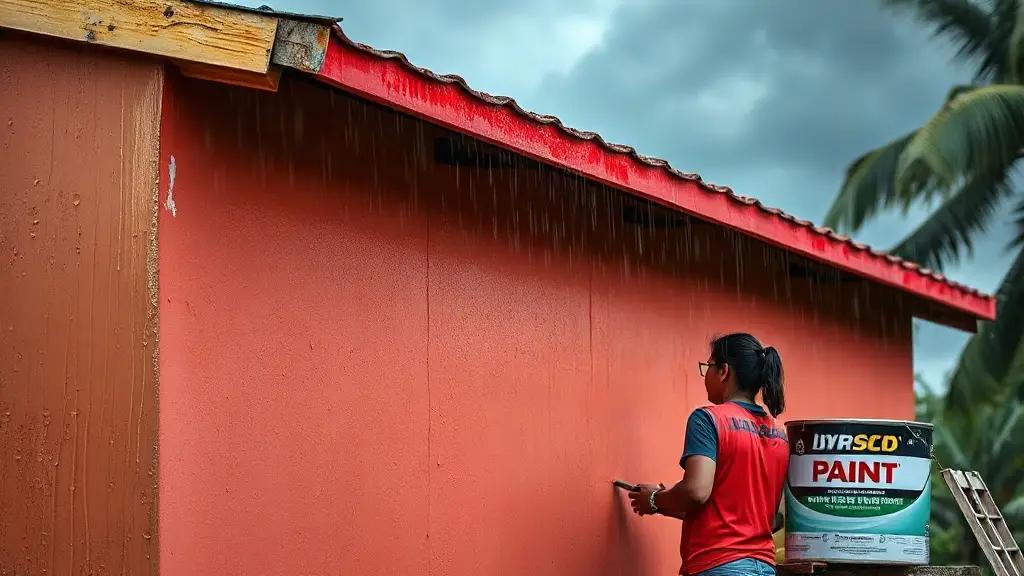
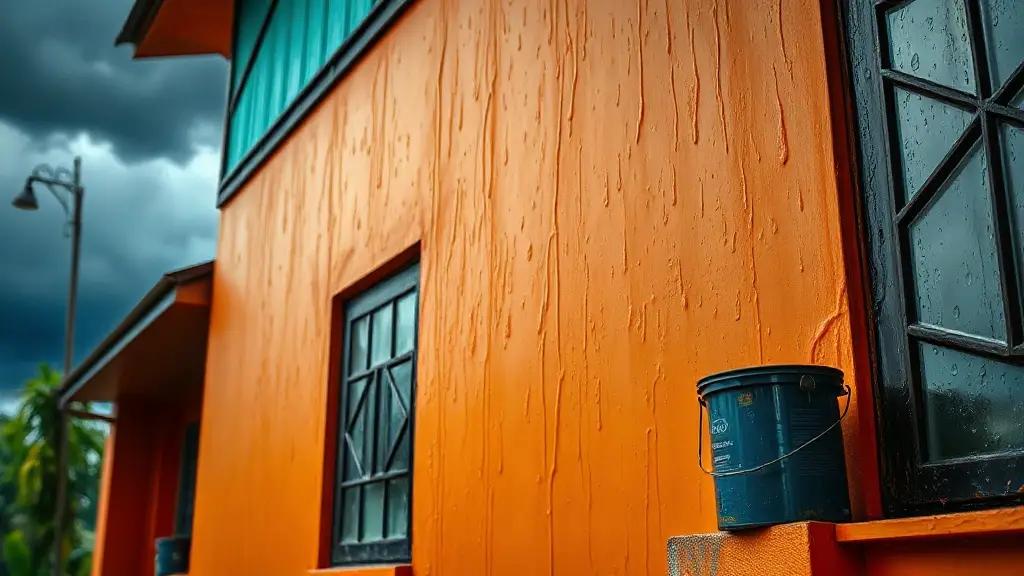
Owning a home in Tamil Nadu comes with unique challenges — scorching summers, heavy monsoon rains, and high humidity that can wreak havoc on your walls. Choosing the right paint and surface treatment is not just about aesthetics; it is about protecting your investment for years to come. Whether you are a homeowner refreshing your living space or a contractor managing a large residential project, understanding the basics of exterior wall care can save you time, money, and endless repainting headaches. Here is everything you need to know to keep your walls looking fresh and strong in Tamil Nadu's demanding climate.
Why Exterior Wall Preparation Matters
Before applying any coat of paint, proper surface preparation is the single most important step you can take. Walls that have cracks, uneven surfaces, or old flaking paint will cause even the best exterior paint to peel or bubble within months. Applying a high-quality wall putty before painting fills hairline cracks, smoothens rough surfaces, and creates a uniform base that helps paint bond firmly to the wall. Skipping this step is one of the most common mistakes homeowners and contractors make, and it almost always leads to premature paint failure.
In Tamil Nadu, where temperature swings between day and night can be significant, walls expand and contract regularly. This thermal movement can open up micro-cracks over time. A good wall putty application followed by a premium primer ensures your topcoat has a stable, resilient surface to adhere to, dramatically extending the life of your paintwork.
Choosing the Right Exterior Paint for Tamil Nadu's Climate
Not all exterior paints are created equal. Tamil Nadu's coastal districts face salt-laden air, while inland areas like Coimbatore and Salem experience intense dry heat. A weather-resistant exterior paint with UV-blocking pigments and anti-algae properties is essential for homes across the state. Look for paints that offer a flexible film, meaning they can stretch slightly without cracking as walls expand and contract with temperature changes. Acrylic-based exterior emulsions tend to perform especially well in humid, tropical conditions.
For added protection in areas prone to water seepage — particularly around window frames, parapets, and basement walls — consider incorporating a waterproofing coat before your topcoat. Waterproofing solutions create an invisible barrier that prevents rainwater from penetrating the wall substrate, which is a leading cause of dampness, efflorescence, and paint bubbling in Tamil Nadu homes.
Adding Style with Texture Paint and Wood Finishes
Beyond protection, today's homeowners want their exteriors to stand out. Texture paint has become increasingly popular in Tamil Nadu for feature walls, compound walls, and building facades. It not only adds a decorative dimension but also hides minor surface imperfections and adds an extra layer of thickness that improves weather resistance. From sand finish to rough stone effects, texture paint can completely transform the look of a building without major renovation costs.
Do not overlook your wooden doors, window frames, and railings either. Bare or poorly finished wood absorbs moisture rapidly in a humid climate, leading to warping, rotting, and fungal growth. Applying a quality wood primer before your topcoat seals the wood grain, prevents moisture ingress, and ensures the final colour coat adheres evenly and lasts far longer. Proper wood care is a small investment that prevents expensive replacements down the line.
Frequently Asked Questions
Q: How often should I repaint the exterior walls of my home in Tamil Nadu?
In Tamil Nadu's tropical climate, most exterior walls benefit from a fresh coat of paint every 4 to 6 years. However, using premium weather-resistant exterior paint combined with a waterproofing layer can extend this cycle to 7 or even 10 years, saving you significant money over time.
Q: Is wall putty necessary before applying exterior paint?
Yes, wall putty is highly recommended before exterior painting. It fills cracks and creates a smooth, even surface that allows paint to bond properly. Without it, paint is more likely to peel, crack, or develop an uneven finish, especially on older walls or freshly plastered surfaces.
Q: Can texture paint be used on exterior walls in rainy areas of Tamil Nadu?
Absolutely. Many texture paints are specifically formulated for exterior use and are resistant to rain, UV rays, and humidity. When applied correctly over a primed and waterproofed surface, exterior texture paint can last for many years while adding a unique decorative appeal to your home's facade.
Related Products at Quality Colours
- Wall Putty – Smooth base for flawless paint finish
- Exterior Paint – Weather-resistant colours for Tamil Nadu homes
- Waterproofing Solutions – Keep dampness and seepage out
- Texture Paint – Decorative and durable wall finishes
- Wood Primer – Long-lasting protection for wooden surfaces
Need expert paint advice? Call or WhatsApp Quality Colours: +917418831122
Source: Jeep Meridian Upland, Meridian X Special Editions Launched In India - ACKO Drive