
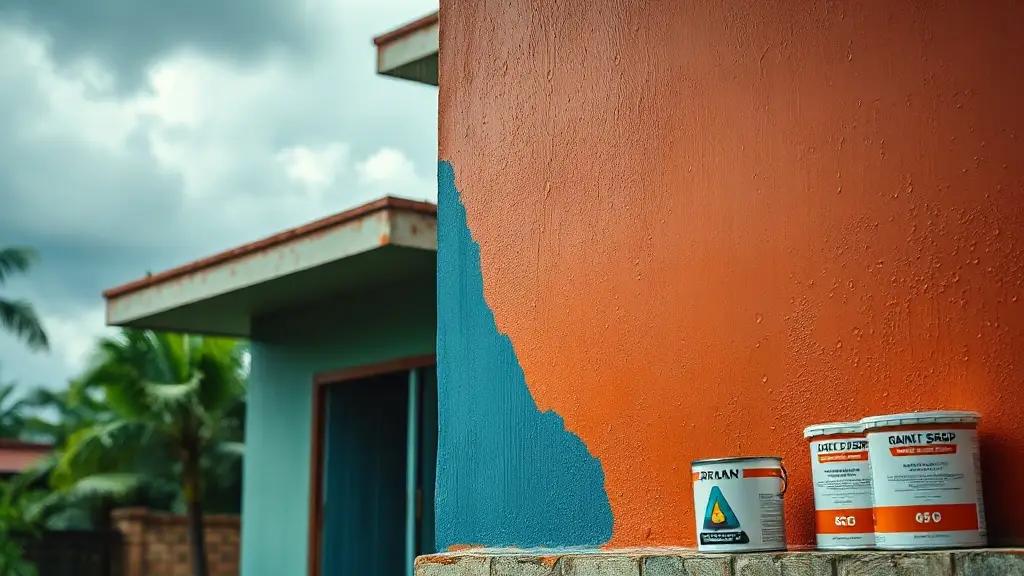
Owning a home in Tamil Nadu comes with its own set of challenges — intense summer heat, heavy monsoon rains, and high humidity levels that can wreak havoc on your walls. Choosing the right paint system is not just about aesthetics; it is about protecting your investment for years to come. Whether you are a homeowner refreshing your living space or a contractor working on a new build, understanding the fundamentals of surface preparation, paint selection, and weatherproofing can make the difference between a finish that lasts one season and one that stands strong for a decade.
Why Surface Preparation Is the Foundation of a Great Paint Job
No matter how premium your paint is, a poorly prepared surface will cause it to peel, crack, or bubble within months. The first step before applying any coat is to ensure the wall surface is clean, dry, and free from dust, grease, or old flaking paint. For new constructions or walls showing minor cracks and uneven patches, applying a high-quality wall putty is essential. Wall putty fills hairline cracks and creates a smooth, uniform base that helps the topcoat adhere properly and look flawless once dried.
In Tamil Nadu's coastal and semi-arid regions, walls often develop salt deposits and efflorescence due to moisture ingress. Treating these issues before painting prevents premature failure. Sand down rough patches, apply an alkali-resistant primer, and allow adequate curing time before moving on to your finish coats. Skipping this stage is one of the most common — and costly — mistakes homeowners and contractors make.
Choosing the Right Exterior Paint for Tamil Nadu's Climate
Tamil Nadu experiences some of the harshest weather conditions in India, from scorching UV radiation in the dry season to relentless rainfall during the northeast monsoon. A standard interior emulsion will fail rapidly on outdoor surfaces. Instead, opt for a dedicated exterior paint formulated with UV-resistant pigments, anti-fungal additives, and elastomeric properties that allow the film to expand and contract with temperature changes without cracking. These paints form a breathable yet water-repellent barrier that keeps moisture out while allowing internal vapour to escape.
Colour selection also matters more on exteriors than most people realise. Darker shades absorb more heat, which can accelerate paint degradation in sun-exposed areas. Light to medium tones reflect sunlight more effectively and tend to maintain their vibrancy longer in high-UV environments. If you want to add character to your facade, consider combining a durable base coat with a decorative texture paint on accent walls — this adds visual depth while also providing an extra layer of surface protection.
The Critical Role of Waterproofing in Monsoon-Prone Areas
Waterproofing is arguably the single most important investment a homeowner in Tamil Nadu can make before the rainy season arrives. Water seeping through walls leads to damp patches, mould growth, structural damage, and eventually costly repairs. Applying a specialised waterproofing solution — either as a standalone treatment or as part of an integrated paint system — creates an impermeable membrane that blocks water penetration at the surface level. This is particularly important for terraces, parapet walls, bathrooms, and any below-grade surfaces.
For wooden elements such as doors, window frames, and furniture, do not overlook the importance of a good wood primer before applying the finishing coat. Wood primer seals the grain, prevents moisture absorption, and improves adhesion so that your topcoat lasts significantly longer. In the humid conditions typical of coastal Tamil Nadu districts like Chennai, Cuddalore, and Nagapattinam, untreated wood can warp, rot, or develop fungal stains very quickly without proper priming and sealing.
Frequently Asked Questions
Q: How often should I repaint the exterior of my home in Tamil Nadu?
Generally, a well-prepared exterior painted with a premium weather-resistant formula should last between five to seven years in Tamil Nadu's climate. However, areas exposed to direct rain or coastal salt spray may need attention every three to four years. Regular inspection after each monsoon season will help you catch any early signs of peeling or cracking before they become major problems.
Q: Is wall putty necessary before painting interior walls?
Yes, wall putty is highly recommended for interior walls, especially in new constructions where the plastered surface may have minor undulations and pores. Putty fills these imperfections and creates a smooth canvas that makes the final paint coat look more even and professional. It also improves the washability and durability of the topcoat by providing a harder base surface.
Q: Can I apply waterproofing paint myself or do I need a professional?
Basic waterproofing coatings on accessible flat surfaces like terraces can be applied by a skilled DIY enthusiast if the surface is properly prepared. However, for walls showing active seepage, large cracks, or structural dampness, it is strongly advisable to consult a professional applicator. Improper application of waterproofing products can trap moisture within the wall, making the problem worse over time. Quality Colours can connect you with trained applicators in your area.
Related Products at Quality Colours
- Wall Putty — Smooth base for flawless interiors
- Exterior Paint — Weather-resistant protection for Tamil Nadu climates
- Waterproofing Solutions — Keep monsoon moisture out
- Texture Paint — Decorative and protective finishes
- Wood Primer — Long-lasting protection for doors and frames
Need expert paint advice? Call or WhatsApp Quality Colours: +917418831122
Source: Volkswagen Polo Edition 50 image gallery - Autocar India


