
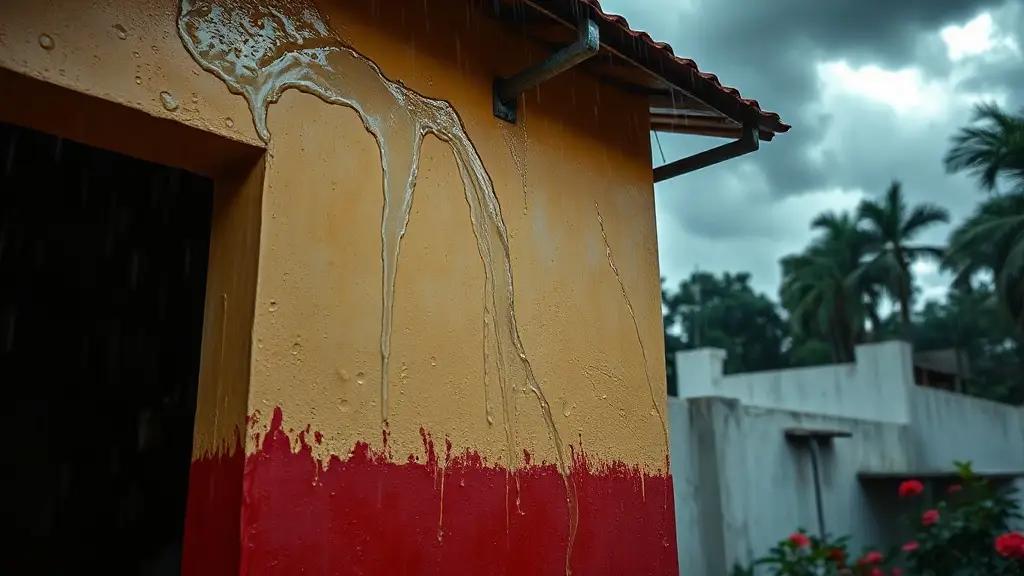
Owning a home in Tamil Nadu comes with its own set of challenges — intense summer heat, heavy monsoon rains, and high humidity can all take a serious toll on your walls. Whether you are a homeowner looking to freshen up your property or a contractor managing multiple projects, choosing the right paint system is critical. At Quality Colours Paint Shop, we help people across Tamil Nadu make smart, long-lasting decisions when it comes to wall finishes, surface preparation, and protective coatings. Here is what every homeowner and contractor should know before starting their next painting project.
Why Surface Preparation Matters More Than You Think
Many homeowners focus entirely on choosing a paint colour and overlook the most important step — surface preparation. A freshly painted wall that starts peeling within months is almost always the result of poor surface prep. Before any paint is applied, walls should be cleaned, cracks filled, and a quality wall putty applied to create a smooth, even base. Wall putty fills minor imperfections and ensures the topcoat adheres firmly, resulting in a finish that looks great and lasts significantly longer.
Contractors in Tamil Nadu often report that clients who skip the putty step end up calling them back within a year for touch-ups. Investing a little extra time and money in surface preparation at the start saves a great deal of cost and inconvenience down the line. Always allow the putty layer to dry completely before moving on to priming and painting.
Choosing the Right Exterior Paint for Tamil Nadu's Climate
Tamil Nadu's climate is demanding — coastal areas deal with salt-laden air, while inland regions face scorching temperatures and sudden heavy downpours. A standard interior emulsion simply will not hold up outdoors. You need a dedicated exterior paint that is formulated to resist UV rays, moisture, algae, and fungal growth. High-quality exterior paints create a breathable yet water-resistant film on the wall surface, allowing trapped moisture to escape without letting rainwater seep in.
For walls that are already showing signs of dampness or seepage, applying a waterproofing coat before the exterior paint is strongly recommended. Waterproofing treatment seals hairline cracks and porous surfaces, providing a robust barrier against water ingress. This is especially important for terrace walls, basement exteriors, and any surface that is directly exposed to rain. Combining waterproofing with a premium exterior paint gives your home maximum protection against Tamil Nadu's unpredictable weather.
Adding Character with Texture Paint and Wood Finishes
Beyond protection, today's homeowners want their walls to stand out. Texture paint is an excellent way to add visual interest and dimension to both interior accent walls and exterior facades. Available in a wide range of finishes — from subtle sand textures to bold geometric patterns — texture paint also adds a layer of durability to the surface, making it more resistant to minor scuffs and scratches.
Do not forget wooden surfaces when planning your paint project. Doors, window frames, and furniture all benefit greatly from a good wood primer before the topcoat is applied. A wood primer seals the grain, prevents moisture absorption, and ensures the final paint or varnish bonds evenly. Skipping the primer often leads to peeling, cracking, and a patchy appearance — especially in humid Tamil Nadu conditions. A small investment in the right primer makes a noticeable difference in the longevity and look of your woodwork.
Frequently Asked Questions
Q: How often should I repaint the exterior walls of my home in Tamil Nadu?In Tamil Nadu's climate, exterior walls typically need repainting every 4 to 6 years. However, if you use a high-quality exterior paint combined with a proper waterproofing treatment, you may be able to extend that interval. Regular cleaning and timely touch-ups also help maintain the finish longer.
Q: Is wall putty necessary before painting interior walls?Yes, applying wall putty before interior painting is highly recommended. It smoothens the wall surface, fills hairline cracks and minor pits, and helps the paint adhere more firmly. This results in a more uniform finish and significantly extends the life of your paint job.
Q: What is the best way to prevent dampness and seepage in exterior walls?The most effective approach is to apply a dedicated waterproofing coat on the exterior surface before painting. This creates a water-resistant barrier that prevents rain and moisture from penetrating the wall. Pairing waterproofing with a quality exterior paint provides the best long-term protection against dampness in Tamil Nadu's rainy season.
Related Products at Quality Colours
- Wall Putty – Smooth base for perfect paint adhesion
- Exterior Paint – UV and weather-resistant formulas for Tamil Nadu
- Waterproofing Solutions – Protect walls from rain and dampness
- Texture Paint – Decorative and durable wall finishes
- Wood Primer – Strong base coat for all wooden surfaces
Need expert paint advice? Call or WhatsApp Quality Colours: +917418831122
Source: Kia Carnival, bookings, waiting period, sales, price - Introduction - Autocar India


