
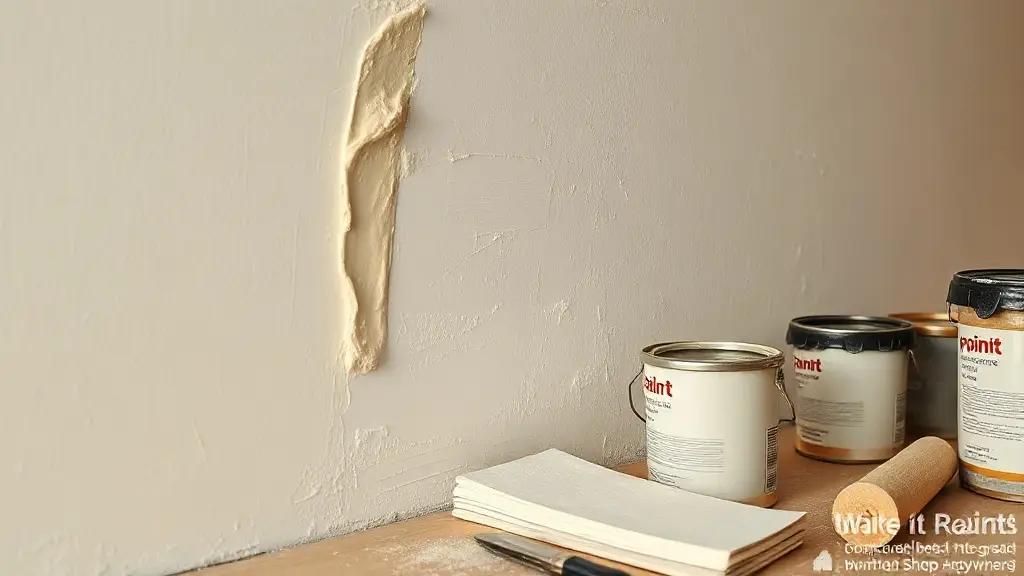
When it comes to achieving a smooth, professional-looking paint finish that stands the test of time, the primer you choose makes all the difference. Just as a good base coat prepares a surface for better results, the right wall primer creates the perfect foundation for your interior or exterior paint to bond effectively. Whether you are a homeowner in Tamil Nadu planning a fresh coat for your living room or a contractor taking on a large project, understanding primer selection can save you time, money, and effort in the long run.
Why Primer Is the Foundation of Every Great Paint Job
Primer acts as the critical bonding layer between your wall surface and the topcoat of paint. Without a proper primer, paint can peel, crack, or absorb unevenly — especially on new plaster or repaired surfaces. In Tamil Nadu's humid and hot climate, moisture can seep into bare walls and weaken the paint over time. Applying a quality wall putty followed by a dedicated wall primer seals the surface, evens out imperfections, and ensures your chosen topcoat adheres firmly for years to come.
For older walls with stains, patches, or minor cracks, primer is even more essential. It locks in discolouration and provides a uniform base, so your final colour appears true and vibrant. Skipping this step is one of the most common reasons homeowners find themselves repainting walls far sooner than expected.
How to Choose the Right Primer for Different Surfaces
Not all primers are created equal, and selecting the wrong type can undermine even the highest-quality topcoat. For interior walls, a water-based acrylic primer works well in most conditions, offering low odour and quick drying times. For exterior surfaces exposed to direct sunlight and monsoon rains, you need a primer specifically formulated to resist moisture and UV damage. Pairing a moisture-resistant exterior primer with a premium exterior paint is the most reliable way to protect your home's outer walls against Tamil Nadu's intense weather cycles.
Wooden surfaces such as doors, window frames, and furniture require a completely different approach. A dedicated wood primer penetrates the grain, prevents swelling due to humidity, and ensures that the finishing coat adheres smoothly without raising the surface. Always match your primer type to the specific surface material for the best possible outcome.
Special Considerations: Waterproofing and Textured Finishes
Homes in coastal and high-rainfall areas of Tamil Nadu face persistent dampness on walls, roofs, and bathrooms. In these situations, standard primers alone may not be sufficient. Incorporating a waterproofing solution before priming adds an essential layer of protection that prevents seepage and mould growth. Once waterproofing is done and the primer is applied, surfaces become ready to accept decorative finishes without the risk of future water damage compromising the paint.
If you are planning to add a texture paint finish to your walls, the primer coat becomes even more important. Texture paints require a perfectly sealed and even base to achieve consistent patterns and grip. A high-build primer is recommended in these cases to fill minor surface irregularities before the texture coat is applied. Consulting with a paint specialist before starting your project ensures you select the ideal primer and finish combination for your specific wall condition and aesthetic goals.
Frequently Asked Questions
Q: Do I need to apply wall putty before primer?
Yes, wall putty should be applied first on new or rough plaster surfaces to fill pores and create a smooth base. Once the putty is fully dry and sanded, primer is applied over it to seal the surface before the final paint coat.
Q: How many coats of primer are needed for exterior walls?
For most exterior walls, one to two coats of a good exterior primer are sufficient. In areas with high moisture or on highly porous surfaces, two coats provide better sealing and help the exterior paint last significantly longer.
Q: Can I use the same primer for wood and walls?
No, it is not recommended. Wall primers and wood primers are formulated differently. A dedicated wood primer penetrates timber fibres and prevents moisture-related swelling, while wall primers are designed for masonry and plaster surfaces. Using the correct primer for each surface ensures better adhesion and durability.
Related Products at Quality Colours
- Wall Putty – Smooth base coat for interior walls
- Exterior Paint – Weather-resistant finishes for Tamil Nadu homes
- Waterproofing Solutions – Protection against seepage and dampness
- Texture Paint – Decorative finishes for interior and exterior walls
- Wood Primer – Superior adhesion for doors, windows, and furniture
Need expert paint advice? Call or WhatsApp Quality Colours: +917418831122
Source: Choose The Best Primer For Flawless, Long-Lasting Makeup - Herzindagi


