
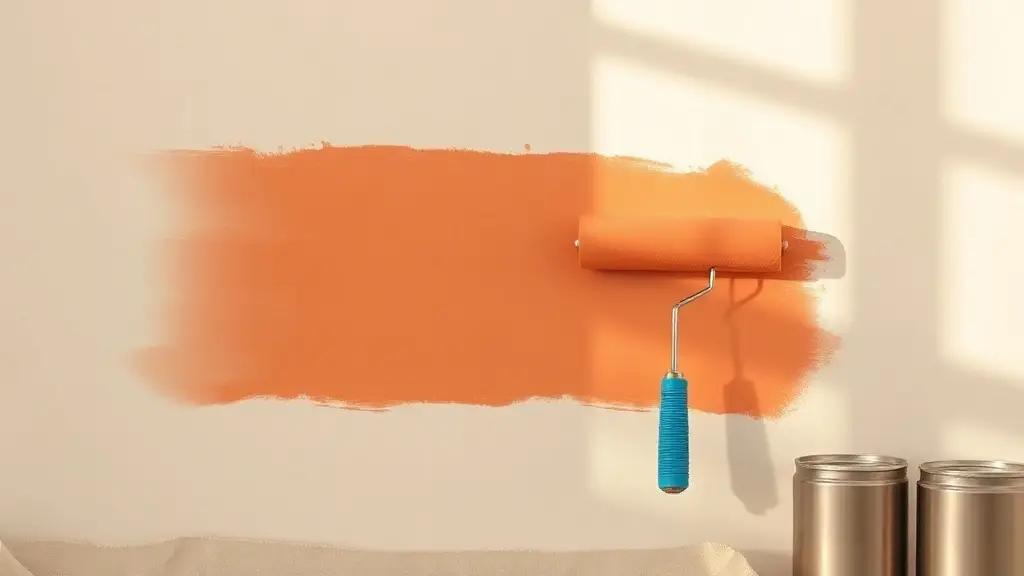
There is something deeply satisfying about watching a freshly painted surface transform a space — whether it is the smooth glide of a brush across a primed wall or the even spread of colour on a wooden door frame. For homeowners and contractors across Tamil Nadu, understanding the fundamentals of good painting technique can make all the difference between a finish that peels within a season and one that lasts for years. From surface preparation to the final topcoat, every step matters, and the right approach can save you both time and money in the long run.
Why Surface Preparation Is the Foundation of Every Great Paint Job
Experienced painters will tell you that the secret to a flawless finish lies not in the paint itself but in what happens before the first stroke. Walls that are uneven, damp, or dusty will never hold paint properly, no matter how premium the product you choose. In Tamil Nadu's climate — where humidity and monsoon moisture are constant concerns — this step is especially critical. Applying a quality wall putty before painting fills hairline cracks, smooths out surface imperfections, and creates an ideal base that helps topcoats adhere firmly and look consistently even.
Skipping surface preparation is one of the most common mistakes homeowners make, often resulting in bubbling, flaking, or uneven colour within just a few months. Taking the time to clean, repair, and prime your walls before painting ensures that every brushstroke counts and that the final result genuinely reflects the effort you put in.
Choosing the Right Paint for Tamil Nadu's Harsh Weather Conditions
Not all paints are created equal, and this is especially true when you are dealing with the intense heat, heavy rainfall, and coastal humidity that many parts of Tamil Nadu experience throughout the year. For exterior surfaces, using a dedicated exterior paint with weather-resistant properties is non-negotiable. These formulations are specifically engineered to withstand UV radiation, resist water ingress, and remain flexible enough to cope with the expansion and contraction of walls as temperatures change through the day.
For homes that have faced recurring dampness or water seepage — a very common issue during the northeast monsoon — investing in a proper waterproofing solution before applying any decorative coat is the smartest long-term decision. Waterproofing treatments create a barrier that prevents moisture from penetrating the wall structure, protecting both your paint finish and the structural integrity of your home.
Mastering Brushwork and Application Techniques Like a Professional
Even with the best products in hand, poor application technique can undermine the final result. Professional painters always work in systematic sections, maintaining a wet edge to avoid lap marks and applying paint in smooth, consistent strokes rather than random scrubbing motions. For interior walls, texture paint has become increasingly popular across Tamil Nadu as it adds visual depth and hides minor surface flaws while giving rooms a modern, designer feel. The key is to apply it with the correct roller or brush for the specific texture pattern you want to achieve.
For wooden surfaces such as doors, window frames, and furniture, always start with a good wood primer before applying any topcoat. Primers seal the wood grain, prevent tannin bleed-through, and dramatically improve the adhesion and longevity of your chosen finish. Whether you prefer a glossy enamel or a matte decorative coat, the primer layer beneath it is what makes that finish last through years of daily use and seasonal weather changes.
Frequently Asked Questions
Q: How many coats of wall putty should I apply before painting interior walls?
Typically, two coats of wall putty are recommended for interior walls — allowing each coat to dry fully and sanding lightly between applications. This ensures a perfectly smooth and even surface that helps the topcoat look flawless and adhere properly for a long-lasting finish.
Q: Is waterproofing necessary even if my exterior walls look fine right now?
Yes, preventive waterproofing is always a wise choice, especially in Tamil Nadu where monsoon seasons can be intense. Water damage often starts invisibly within the wall structure long before surface signs like stains or peeling appear. Applying a waterproofing treatment during painting is far more cost-effective than repairing water damage later.
Q: Can I use interior texture paint on exterior walls?
No — interior and exterior texture paints are formulated differently. Exterior texture paints contain additives that make them resistant to rain, UV rays, and humidity. Using an interior texture paint outside will lead to rapid fading, peeling, and water damage. Always use products specifically designed for the surface and environment you are working with.
Related Products at Quality Colours
- Wall Putty — Smooth base coat for interior walls
- Exterior Paint — Weather-resistant finishes for Tamil Nadu climates
- Waterproofing Solutions — Protect your home from monsoon moisture
- Texture Paint — Decorative finishes for modern interiors
- Wood Primer — Long-lasting protection for wooden surfaces
Need expert paint advice? Call or WhatsApp Quality Colours: +917418831122
Source: The subtle sounds of oil painting and brushwork on canvas - MSN


