
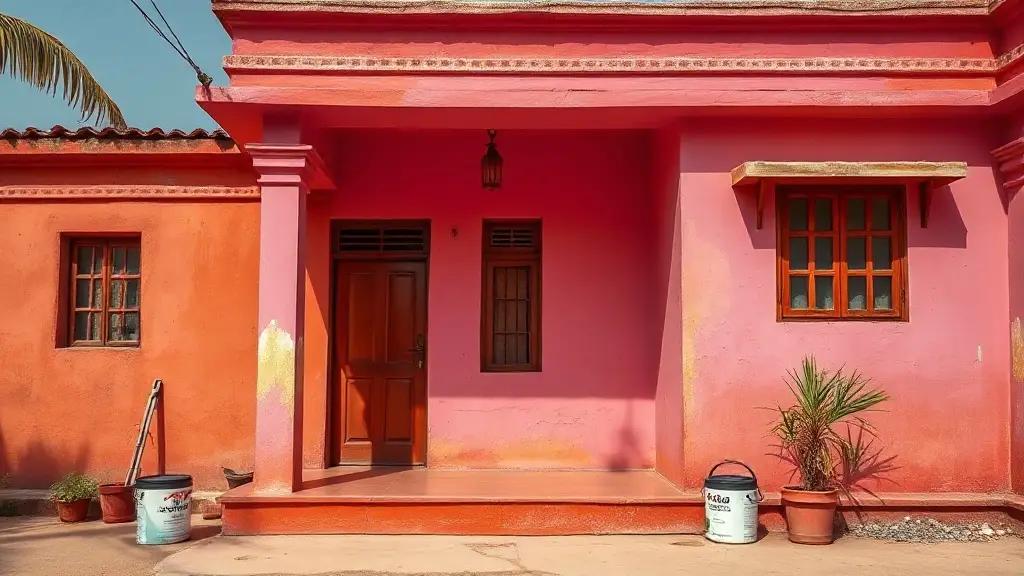
When a dual-tone exterior paint finish on a popular hatchback recently turned heads across India, it sparked a broader conversation about the power of two-colour combinations—not just on vehicles, but on homes too. Homeowners and contractors in Tamil Nadu are increasingly exploring bold, contrasting colour pairings to make their properties stand out. Whether you are refreshing a residential villa in Coimbatore or finishing a new build in Chennai, understanding how dual-tone exterior paint works can completely elevate your home's kerb appeal and protect it from the harsh South Indian climate.
Why Dual-Tone Exterior Paint Is Gaining Popularity
The idea of pairing two complementary or contrasting shades on a building's exterior is not new, but it has seen a sharp rise in demand across Tamil Nadu in recent years. Homeowners are moving away from single flat colours and experimenting with combinations such as warm beige with charcoal grey, or terracotta with off-white, to create visual depth and character. This trend reflects a growing desire to personalise living spaces and make a lasting first impression on visitors and passersby alike.
Beyond aesthetics, a well-executed dual-tone finish also helps highlight architectural features—cornices, window frames, pillars, and balconies—that might otherwise blend into a uniform background. Contractors who master this technique find that clients are willing to invest more in quality materials, which ultimately leads to a longer-lasting and more visually rewarding result.
Choosing the Right Exterior Paint for Tamil Nadu's Climate
Selecting colours is only part of the equation. In Tamil Nadu, where summer temperatures regularly exceed 38°C and the northeast monsoon brings heavy rainfall, the performance of your exterior paint matters just as much as its appearance. A premium exterior paint with UV resistance, anti-fungal properties, and waterproofing capability is essential to ensure that your dual-tone finish stays vibrant and crack-free for years. Applying a quality wall putty as a base coat before painting is equally important—it smooths out surface imperfections and creates an even substrate so that both colours apply uniformly and adhere properly to the wall.
Additionally, applying a dedicated waterproofing coat or a waterproof primer before your top coats can prevent moisture ingress during the monsoon, which is a common cause of paint peeling and blistering on exterior walls across the state. Skipping this step often means repainting within just one or two seasons, wasting both time and money.
Tips for Executing a Flawless Dual-Tone Exterior Finish
Planning is everything when it comes to a dual-tone paint job. Start by mapping out which sections of the facade will carry each colour—typically, the lower portion or plinth carries a darker, more durable shade while the upper walls take a lighter tone. Use painter's tape and a sharp edge to create clean demarcation lines. For textured wall surfaces, consider using a texture paint on feature panels or boundary walls to add an extra dimension that makes the two-colour scheme truly pop.
Always apply at least two coats of each colour and allow adequate drying time between coats, especially during humid months. Before painting any wooden doors, window frames, or fascia boards, prime them properly with a wood primer to prevent warping, peeling, and moisture damage. Finishing details like these are what separate a professional-looking result from an amateur one, and they significantly extend the overall lifespan of the paint job.
Frequently Asked Questions
Q: How do I choose two colours that work well together for my home's exterior in Tamil Nadu?
A great starting point is to look at the existing elements you cannot change—roof tile colour, gate material, and surrounding landscape. As a general rule, pair one neutral or earthy tone with one accent colour that is two to three shades deeper or lighter. Popular combinations in Tamil Nadu include cream with deep green, white with brick red, and light grey with dark blue. Our team at Quality Colours can help you test colour swatches on your actual wall before committing.
Q: Is wall putty necessary before applying dual-tone exterior paint?
Yes, applying wall putty before your exterior paint is highly recommended, especially on older walls with hairline cracks or uneven surfaces. Wall putty fills micro-cracks, smooths the surface, and improves paint adhesion, which means both your chosen colours will appear more even and rich. Skipping putty can lead to patchy coverage that makes the two-tone contrast look uneven and unprofessional.
Q: How long will a dual-tone exterior paint job last in Tamil Nadu's weather conditions?
With proper surface preparation—including wall putty, waterproofing, and a quality exterior paint—a dual-tone finish can easily last five to seven years in Tamil Nadu's climate. The key factors are choosing paints with high weather resistance ratings, ensuring all surfaces are fully dry before painting, and carrying out minor touch-ups after each monsoon season to address any small areas of wear before they spread.
Related Products at Quality Colours
- Premium Exterior Paint – Weather-resistant, UV-protective finishes for Tamil Nadu homes
- Wall Putty – Smooth base coat for flawless paint adhesion
- Waterproofing Solutions – Keep monsoon moisture out of your walls
- Texture Paint – Add depth and character to feature walls and panels
- Wood Primer – Protect doors, frames, and fascia before painting
Need expert paint advice? Call or WhatsApp Quality Colours: +917418831122
Source: Ford Figo With Dual-Tone Exterior Paint Spotted In India - Gaadiwaadi.com


