
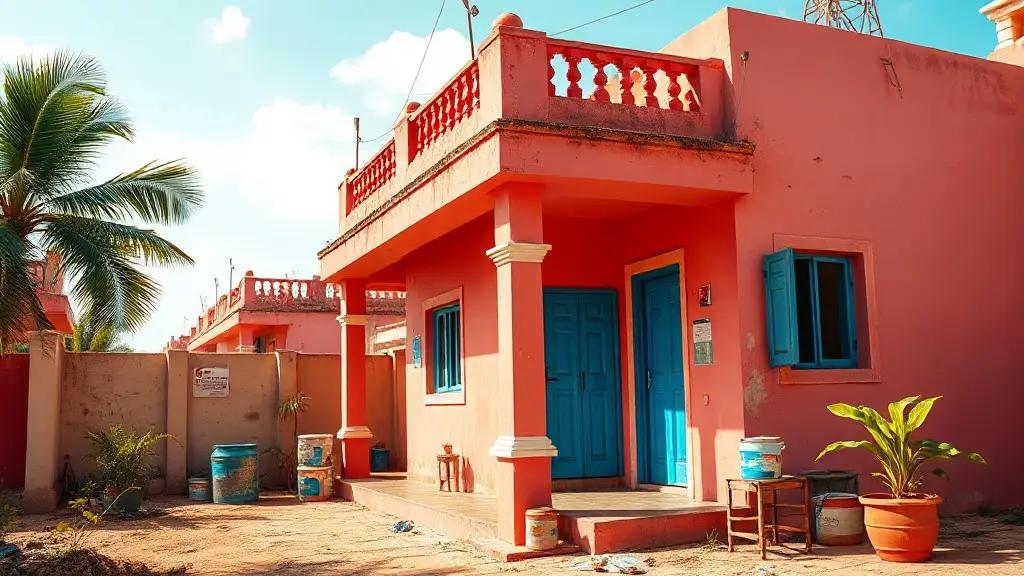
Tamil Nadu homeowners and contractors face a unique challenge every year — punishing monsoon rains, scorching summer heat, and high coastal humidity that can strip ordinary paint from walls within months. Choosing the right exterior paint system is no longer a luxury; it is a necessity for any building that needs to stay protected, look fresh, and retain its value. Leading paint brands are now investing heavily in marketing campaigns to highlight advanced weatherproofing technologies, and that growing buzz is a good reminder to review what your own walls actually need before the next rainy season arrives.
Why Tamil Nadu's Climate Is Tough on Exterior Walls
The combination of intense UV radiation and heavy monsoon downpours creates a relentless cycle of expansion, contraction, moisture ingress, and algae growth on exterior surfaces. Walls that are not properly prepared or coated can develop hairline cracks, peeling, and efflorescence within a single season. This is especially true for coastal districts like Chennai, Nagapattinam, and Kanyakumari, where salt-laden air accelerates paint degradation far faster than inland areas experience.
Before any exterior paint is applied, surfaces should be levelled and sealed with a quality wall putty to fill micro-cracks and create a smooth, uniform base. Skipping this step is one of the most common — and most costly — mistakes homeowners and contractors make, because even the best topcoat cannot compensate for a poorly prepared substrate.
What to Look for in a High-Performance Exterior Paint
Modern weatherproof exterior paints are engineered with elastomeric resins, UV stabilisers, and anti-fungal additives that work together to bridge small cracks, reflect heat, and resist mould growth. When evaluating any exterior paint product, check whether it offers a minimum of ten years' weathering warranty, confirms ISO or BIS certification, and carries independent test data for water resistance and colour retention under tropical conditions.
Equally important is the application of a dedicated waterproofing coat on areas prone to seepage — parapet walls, sunken slabs, bathroom exteriors, and basement walls. A proper waterproofing system applied before the finish coat creates a durable barrier that prevents moisture from reaching the structural concrete, significantly extending the life of both the paint and the building itself.
Smart Tips for Contractors and DIY Homeowners
Timing your exterior painting project matters enormously in Tamil Nadu. The ideal window falls between January and March, after the northeast monsoon has subsided and before the pre-monsoon humidity climbs. Applying paint during or immediately after rain traps moisture beneath the film, leading to blistering and premature peeling. Ensure walls are dry for at least 72 hours before painting, and always apply two full coats for adequate film build.
For wooden doors, window frames, and fascia boards exposed to the elements, starting with a reliable wood primer is essential. A good primer seals the grain, prevents tannin bleed, and dramatically improves the adhesion and durability of the topcoat. Pair it with a texture paint finish on accent walls to add visual interest while gaining an extra layer of crack resistance — a popular choice in contemporary Tamil Nadu home design.
Frequently Asked Questions
Q: How often should exterior walls in Tamil Nadu be repainted?
In Tamil Nadu's tropical climate, most exterior surfaces require repainting every five to seven years. However, walls without proper waterproofing or wall putty preparation may need attention much sooner — sometimes within two to three years. High-quality exterior paint systems with UV protection can extend intervals significantly.
Q: Is waterproofing really necessary before applying exterior paint?
Yes, especially for terraces, parapets, and any wall that receives direct rain exposure. Waterproofing creates a dedicated moisture barrier beneath the decorative finish coat. Without it, water seeps into the concrete, causes efflorescence, and eventually leads to peeling paint and structural damage that is expensive to repair.
Q: Can texture paint be used on exterior walls in humid Tamil Nadu districts?
Absolutely. Exterior-grade texture paint is specially formulated to withstand humidity and rainfall. It adds an attractive finish while also providing additional thickness to bridge minor cracks. Always confirm the product is rated for exterior use and apply it over a properly primed and sealed surface for best results.
Related Products at Quality Colours
- Exterior Paint — Weather-resistant finishes for Tamil Nadu homes
- Waterproofing Solutions — Protect terraces, parapets, and basement walls
- Wall Putty — Create a smooth, crack-free base before painting
- Texture Paint — Decorative and durable finishes for interior and exterior walls
- Wood Primer — Essential protection for doors, windows, and timber surfaces
Need expert paint advice? Call or WhatsApp Quality Colours: +917418831122
Source: Nippon Paint launches new campaign for Weatherbond PRO - Manufacturing Today India