
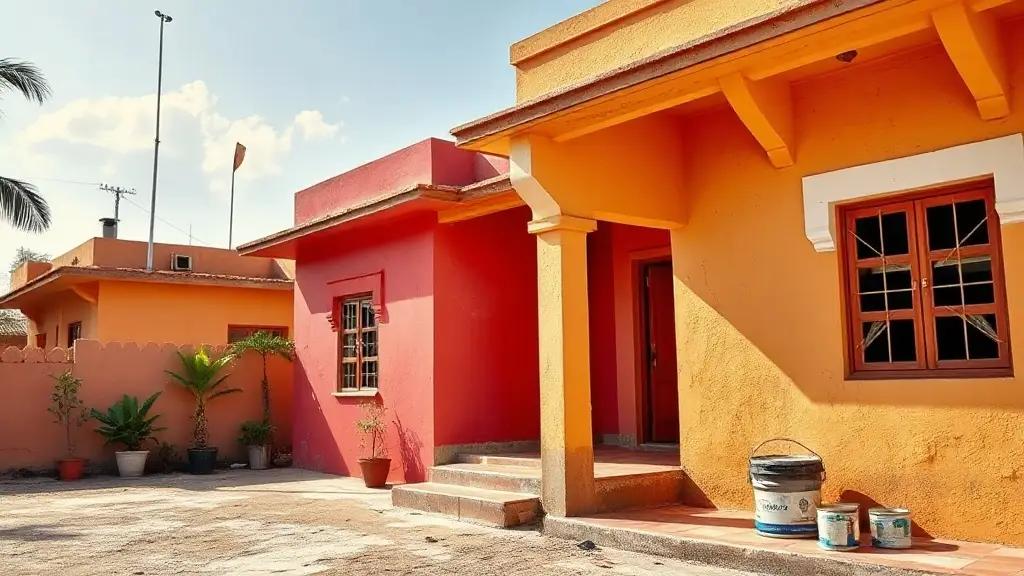
Tamil Nadu homeowners face one of the toughest climates in India — blazing summer heat, heavy monsoon rains, and coastal humidity that can strip and crack exterior walls within just a couple of years. Leading paint brands are increasingly investing in campaigns that highlight the importance of advanced exterior protection, and it is easy to understand why. Choosing the right exterior paint is not merely about aesthetics; it is about safeguarding your biggest investment — your home — from the elements that constantly work against it. Here is what you need to know before your next exterior painting project.
The Real Threat: How Tamil Nadu's Climate Damages Exterior Walls
From Chennai's salt-laden coastal air to Coimbatore's intense UV exposure and the heavy monsoon downpours across the delta regions, exterior walls in Tamil Nadu endure year-round punishment. Moisture seeps into micro-cracks, causing plaster to bubble and peel. UV rays bleach colour and degrade binder resins, while algae and fungal growth thrive in humid conditions, leaving ugly dark patches on surfaces.
The consequences go beyond appearance. Once protective coatings fail, water penetrates deep into the wall structure, leading to dampness inside the home, weakened masonry, and expensive repair bills. This is why investing in a high-quality exterior paint with built-in weatherproofing properties is far more cost-effective than repainting every two years with a cheap alternative.
What to Look for in a High-Performance Exterior Paint
Not all exterior paints deliver the same level of protection. When evaluating options, homeowners and contractors should prioritise products that offer superior water resistance, elasticity to bridge hairline cracks, UV-stable pigments for colour retention, and anti-algae or anti-fungal additives. Acrylic-based formulations generally outperform distempers and cheaper emulsions in all these categories.
Before applying any exterior paint, surface preparation is equally critical. A good-quality wall putty applied to the exterior surface fills minor imperfections and creates a smooth, uniform base that helps the topcoat bond properly and last longer. Skipping this step is one of the most common reasons paint jobs fail prematurely, regardless of the brand of topcoat used.
Why Waterproofing is a Non-Negotiable Step in Tamil Nadu
In regions that receive heavy seasonal rainfall — including much of Tamil Nadu — applying a dedicated waterproofing treatment before painting can dramatically extend the life of your walls. Waterproofing solutions penetrate the substrate and form a barrier that prevents moisture ingress at the foundation level, not just at the surface. This is especially important for older buildings where the original construction may not have included modern damp-proofing measures.
For wooden doors, window frames, and furniture exposed to the elements, a reliable wood primer is an essential first step before applying any finish coat. Primers seal the wood grain, prevent swelling and warping due to moisture absorption, and give the topcoat something strong to adhere to. Combining the right primer with a weather-resistant topcoat can extend the life of wooden surfaces by several years, saving homeowners significant maintenance costs over time.
Frequently Asked Questions
Q: How often should I repaint the exterior walls of my home in Tamil Nadu?
In Tamil Nadu's climate, a high-quality exterior paint with good weatherproofing properties should last between five and seven years. However, homes near the coast or in areas with very heavy rainfall may need repainting every three to five years. Regular inspection after each monsoon season helps catch early signs of deterioration before they become costly problems.
Q: Is applying wall putty necessary before exterior painting?
Yes, applying wall putty before exterior painting is highly recommended. It fills surface imperfections, creates a smoother finish, and improves the adhesion and durability of the topcoat. Skipping this step can lead to uneven finishes and premature peeling, especially on roughcast or textured cement surfaces common in Tamil Nadu homes.
Q: What is the difference between waterproofing and regular exterior paint?
Regular exterior paint provides a protective surface coating that resists light moisture and UV rays. Waterproofing treatments, on the other hand, are designed to penetrate deeper into the wall substrate and create a robust barrier against sustained water pressure and seepage. For best results, many professionals recommend applying a waterproofing coat as a base layer before finishing with a premium exterior paint, particularly for terraces, parapets, and basement walls.
Related Products at Quality Colours
- Exterior Paint — Weather-Resistant Finishes for Tamil Nadu Homes
- Wall Putty — Smooth Base Coat for Interior and Exterior Walls
- Waterproofing Solutions — Stop Dampness and Seepage
- Texture Paint — Decorative and Protective Wall Finishes
- Wood Primer — Protection for Doors, Windows, and Wooden Surfaces
Need expert paint advice? Call or WhatsApp Quality Colours: +917418831122
Source: Asian Paints launches ad campaign for Ultima Protek conceptualised by Ogilvy - ET BrandEquity


