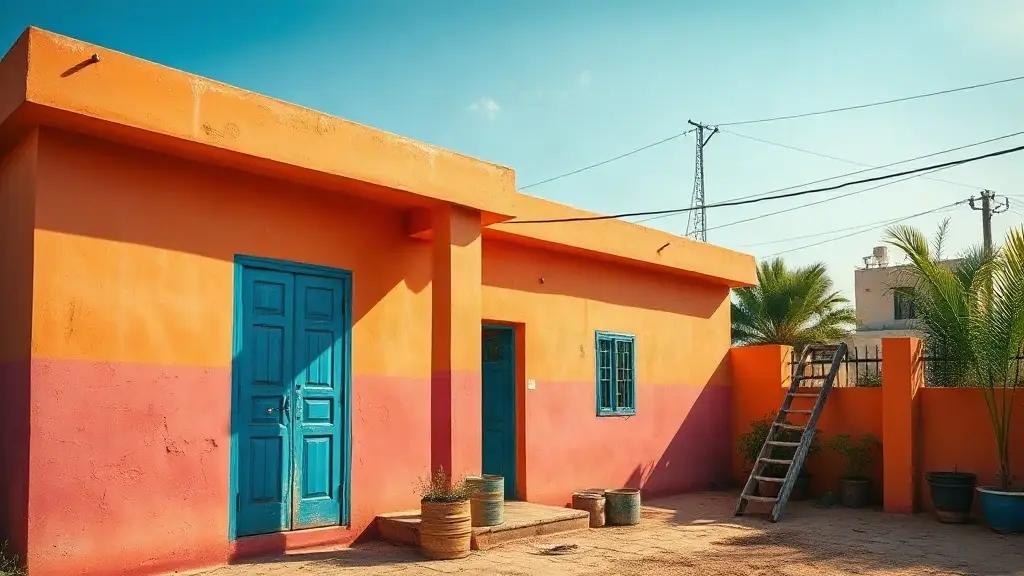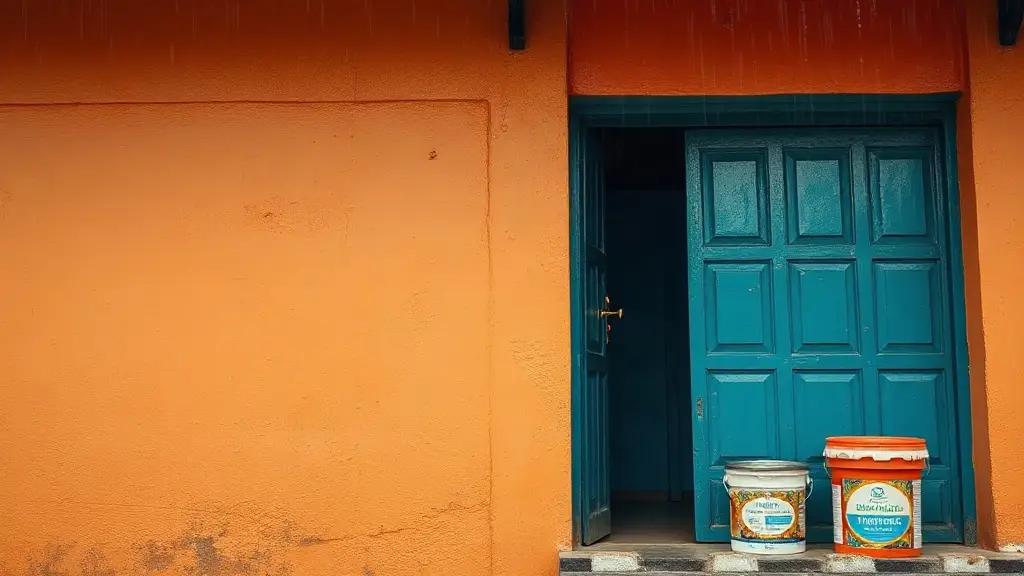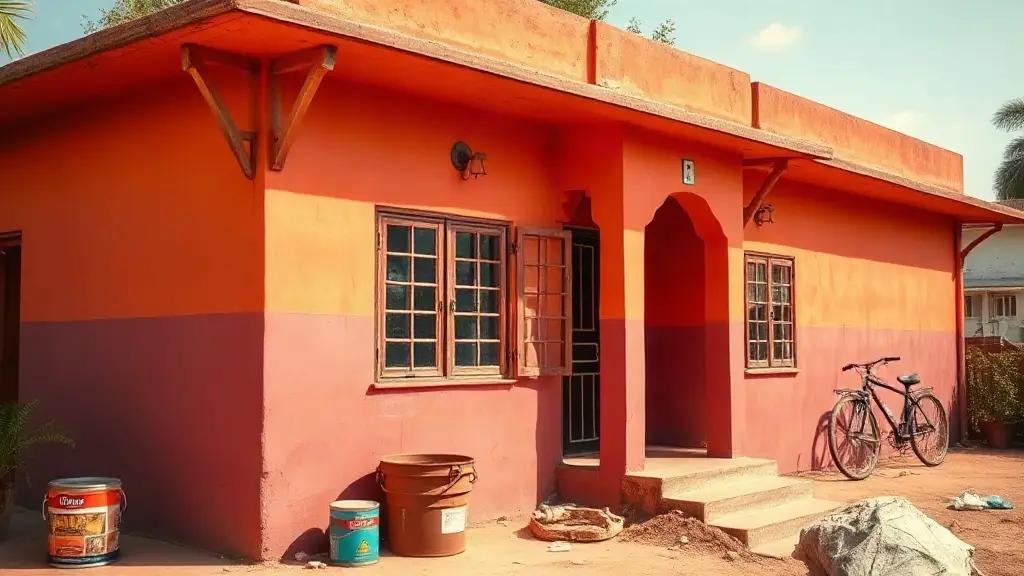
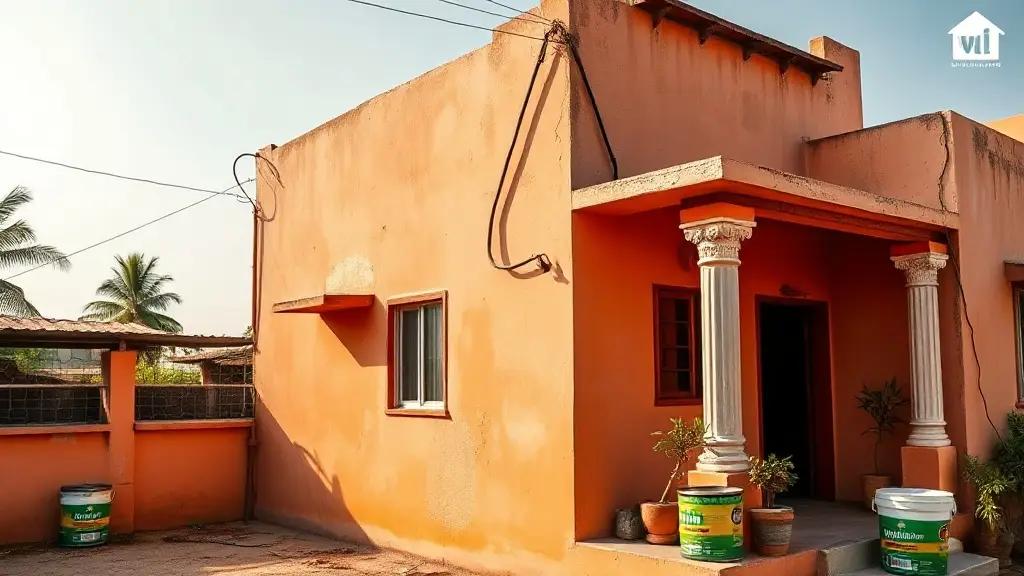
When a leading paint manufacturer subjects its products to the harshest real-world conditions ever attempted in India, it sends a clear message to every homeowner and contractor: paint quality matters more than ever. Whether you are refreshing the walls of a Chennai apartment or protecting a newly built villa in Coimbatore from the monsoon, understanding what goes into a truly durable paint can help you make smarter, longer-lasting choices. At Quality Colours Paint Shop, we believe that informed customers always get better results — so let us break down what extreme paint testing really means for your next project.
Why Extreme Durability Testing Is a Big Deal
Paint manufacturers conduct rigorous durability trials to simulate years of wear in a fraction of the time. These tests expose paint to intense UV radiation, torrential rain simulation, salt spray, and wide temperature swings — conditions that closely mirror what exterior walls in Tamil Nadu face every single year. The Tamil Nadu climate, with its combination of scorching summer heat, heavy monsoon downpours, and coastal humidity, is genuinely one of the toughest environments for any coating.
When a brand claims its product has passed India's most extreme testing protocol, it signals that the formulation is engineered to resist cracking, peeling, fading, and moisture penetration over many years. For homeowners, this translates directly into fewer repaints, lower maintenance costs, and walls that continue to look fresh season after season.
What This Means When Choosing Exterior Paint
Selecting the right exterior paint goes beyond picking a colour you love. The best exterior paint products combine weather resistance, alkali resistance, and anti-fungal properties — all of which become critical in a state like Tamil Nadu where walls are regularly exposed to damp conditions. A high-quality exterior paint applied over a properly prepared surface, including a layer of wall putty to fill micro-cracks and smooth out imperfections, will dramatically outperform a cheaper option applied hastily.
Equally important is surface waterproofing before painting. Applying a reliable waterproofing coat to terraces, parapets, and exterior walls before the topcoat prevents moisture from seeping behind the paint film — which is the number one cause of bubbling and peeling in our region. Skipping this step, no matter how good your chosen paint brand is, can undo even the most advanced formulation within a single monsoon season.
How Contractors and Homeowners Can Apply These Lessons
The practical takeaway from industry-level durability testing is straightforward: always choose products that have been independently verified to perform under stress, and always follow the correct application sequence. For interior walls, this typically means a coat of wall putty, a primer coat, and two finish coats. For exteriors, the sequence should include surface preparation, waterproofing treatment, a weather-resistant primer, and a premium exterior paint topcoat. Texture paint can also be used on feature walls and exteriors to add both visual interest and an extra layer of protection against the elements.
Contractors working on large residential or commercial projects in Tamil Nadu should also keep wood surfaces in mind. Doors, window frames, and wooden furniture exposed to humidity need a proper wood primer before any topcoat is applied to prevent swelling, warping, and paint failure. Getting the basics right at every stage of the painting process is the real secret behind paint that lasts as long as the test certificates promise.
Frequently Asked Questions
Q: How do I know if an exterior paint will hold up to Tamil Nadu's monsoon season?
Look for exterior paint products that are specifically rated for high humidity and UV resistance. Check whether the product has passed accelerated weathering tests. At Quality Colours, we can recommend options that have a strong track record in south Indian climatic conditions. Using wall putty to prepare the surface and a waterproofing coat before painting will further extend the life of any exterior paint.
Q: Is waterproofing really necessary before painting exterior walls?
Absolutely. Waterproofing creates a barrier that prevents moisture from working its way through the wall and lifting the paint film from behind. In Tamil Nadu, where monsoon rainfall can be very heavy, skipping waterproofing is one of the most common and costly mistakes homeowners make. It is best applied before your exterior paint for maximum protection.
Q: When should I use texture paint instead of regular paint on my walls?
Texture paint is an excellent choice for exterior feature walls or interior accent walls where you want added visual depth and a surface that hides minor imperfections. It also provides a slightly thicker coating that can improve surface durability. Ask our team at Quality Colours which texture options suit your wall type and local weather conditions best.
Related Products at Quality Colours
- Exterior Paint — Weather-resistant finishes for Tamil Nadu climates
- Waterproofing Solutions — Protect walls before monsoon
- Wall Putty — Smooth surface preparation for lasting results
- Texture Paint — Decorative and protective wall finishes
- Wood Primer — Essential protection for doors and wooden surfaces
Need expert paint advice? Call or WhatsApp Quality Colours: +917418831122
Source: Kansai Nerolac Puts its Paint Through the Most Extreme Test in Indian History - Dailyhunt