
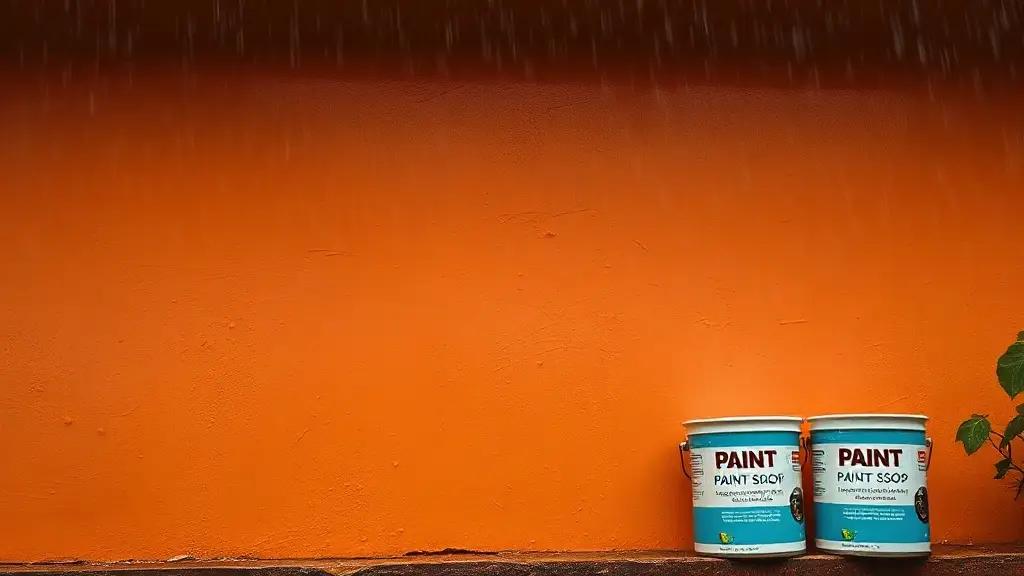
Owning a home in Tamil Nadu comes with unique challenges — scorching summer heat, high humidity, and heavy monsoon rains can all take a serious toll on your walls, both inside and out. Whether you are a first-time homeowner in Chennai or an experienced contractor working across Coimbatore, Madurai, or Trichy, choosing the right paint products and following proven techniques can make all the difference. In this guide, we share practical, expert-backed advice on how to protect and beautify your home with the correct paints, primers, and surface treatments suited to the Tamil Nadu climate.
Why Surface Preparation Is the Foundation of a Great Paint Job
Many homeowners make the mistake of painting directly over uneven or damaged walls, only to find the finish peeling or cracking within months. Proper surface preparation is the single most important step before applying any coat of paint. Start by repairing cracks, filling holes, and sanding rough patches. Applying a quality wall putty before painting creates a smooth, even base that helps topcoats adhere properly and last significantly longer. Skipping this step is one of the most common reasons paint jobs fail prematurely, especially in older Tamil Nadu homes where walls can develop hairline cracks due to seasonal temperature changes.
After applying wall putty, allow adequate drying time before moving on to primer or topcoats. A well-prepared surface not only looks better but also reduces the amount of paint needed, ultimately saving you money. Contractors in Tamil Nadu consistently report that jobs with thorough surface preparation receive far fewer callbacks and complaints from clients.
Choosing the Right Exterior Paint for Tamil Nadu's Climate
The exterior of your home faces the harshest conditions — direct sunlight, driving rain, salt-laden coastal air in cities like Chennai and Rameswaram, and biological growth such as algae and mould in humid inland regions. Using a standard interior paint on exterior walls is a recipe for rapid deterioration. A high-quality exterior paint formulated with UV-resistant pigments and anti-fungal additives is essential to maintain your home's appearance and structural integrity. Look for products that offer at least a five-year performance guarantee and have been tested specifically for tropical climates.
For homes near the coast or in areas with very high rainfall, consider adding a waterproofing treatment to your exterior walls before applying the topcoat. Waterproofing solutions penetrate deep into the masonry and create an invisible barrier that prevents moisture ingress — one of the leading causes of wall dampness, paint bubbling, and plaster damage across Tamil Nadu. When done correctly, this investment can add years to the life of your exterior finish.
Interior Finishing Touches: Texture and Wood Surfaces
Inside your home, the choices you make about paint finishes can completely transform the look and feel of each room. Texture paint has become increasingly popular among Tamil Nadu homeowners who want to add depth, character, and a premium feel to living rooms, feature walls, and dining spaces. Available in a wide range of patterns — from rustic stone effects to sleek geometric designs — texture paint also helps to camouflage minor wall imperfections that might otherwise be visible under a plain matte finish.
Do not overlook your wooden surfaces either. Doors, window frames, furniture, and ceiling beams all require proper treatment to prevent warping, cracking, and pest damage in Tamil Nadu's humid conditions. Applying a good wood primer before your topcoat ensures better adhesion, seals the wood grain, and creates a protective layer against moisture absorption. A primed wood surface will hold colour longer and resist the swelling and shrinking that commonly occurs with seasonal humidity changes in the region.
Frequently Asked Questions
Q: How often should I repaint the exterior walls of my Tamil Nadu home?In Tamil Nadu's tropical climate, exterior walls typically need repainting every four to six years, depending on the quality of paint used, the level of sun and rain exposure, and whether proper waterproofing was applied during the previous paint job. Coastal properties may require more frequent maintenance due to salt air.
Q: Is wall putty necessary before painting interior walls?Yes, wall putty is strongly recommended before painting interior walls, especially in older homes or on freshly plastered surfaces. It fills micro-cracks and surface irregularities, providing a smooth base that improves the overall finish quality and helps paint adhere more durably. Skipping putty often results in an uneven finish and faster paint deterioration.
Q: Can I use texture paint in humid rooms like bathrooms or kitchens?Standard texture paints are generally not recommended for high-moisture areas like bathrooms and kitchens. However, moisture-resistant or washable texture paint variants are available that can handle some humidity. For such rooms, it is best to consult with a paint specialist at Quality Colours to identify the most suitable product for your specific requirements.
Related Products at Quality Colours
- Wall Putty – Smooth base coat for interior and exterior walls
- Exterior Paint – UV and weather-resistant formulas for Tamil Nadu homes
- Waterproofing Solutions – Protect walls from monsoon and moisture damage
- Texture Paint – Decorative finishes for stylish interiors
- Wood Primer – Superior adhesion and protection for all wooden surfaces
Need expert paint advice? Call or WhatsApp Quality Colours: +917418831122
Source: India-spec Toyota Vellfire Detailed: Exterior, Interior & Features - CarDekho


