
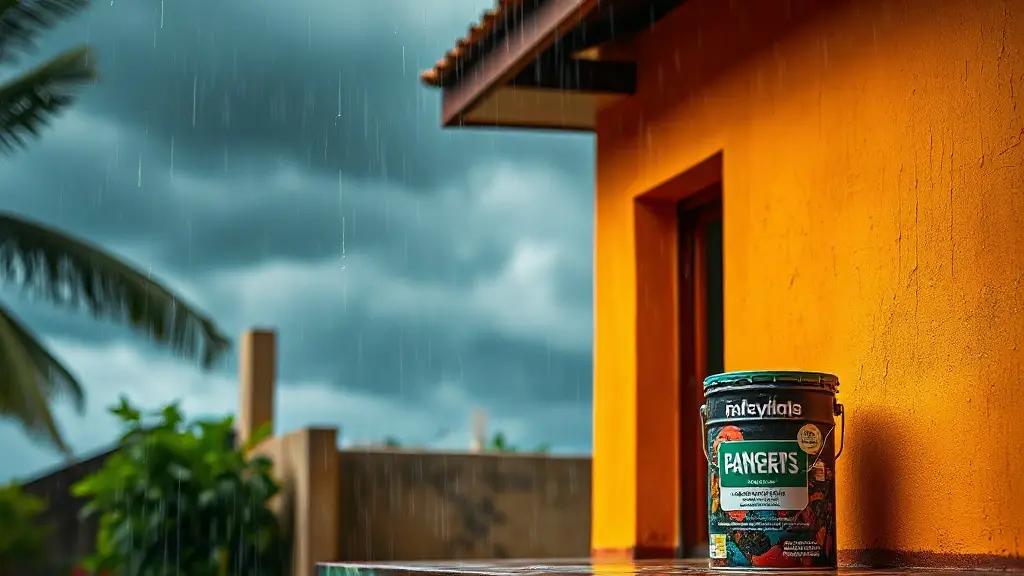
Every year when the monsoon arrives in Tamil Nadu, homeowners and contractors face a familiar set of problems — peeling paint, damp patches, seeping walls, and crumbling surfaces. The heavy rainfall and relentless humidity that come with the wet season do not just bring relief from the summer heat; they also launch a silent attack on your walls, ceilings, and wooden fixtures. Understanding how monsoon conditions affect your home's surfaces is the first step toward protecting your investment and keeping your living spaces looking fresh and structurally sound.
How Moisture and Humidity Weaken Wall Surfaces
During the monsoon season, atmospheric humidity in Tamil Nadu can soar to extreme levels, allowing moisture to seep into wall surfaces even without direct rain contact. This trapped moisture causes the paint film to lose adhesion, leading to bubbling, flaking, and unsightly peeling that ruins both the appearance and structural integrity of your walls. Interior walls are just as vulnerable as exterior ones, especially in rooms that lack proper ventilation such as bathrooms, kitchens, and ground-floor spaces.
One of the most effective ways to tackle this problem before it starts is to apply a high-quality wall putty as a base coat. A good wall putty fills micro-pores in the wall surface, reducing water absorption and creating a smooth, firm foundation that resists moisture penetration during the rainy months.
The Impact of Rainwater on Exterior Walls and Facades
Exterior walls bear the brunt of monsoon damage. Driving rain, waterlogging at the base of walls, and water running down facades can cause efflorescence — those chalky white stains that appear when salts are drawn out of the wall by moisture. Over time, repeated wetting and drying cycles cause micro-cracks to develop, allowing even more water to penetrate deeper into the structure. This can eventually compromise the load-bearing capacity of walls if left unchecked.
Choosing a premium exterior paint with built-in weather resistance and fungal protection is essential for Tamil Nadu homes, where the monsoon can stretch across several months. Additionally, applying a dedicated waterproofing coat on terraces, parapet walls, and external surfaces before the rains arrive creates a robust barrier that prevents water ingress at the source, dramatically extending the life of your paint and masonry.
Protecting Wooden Fixtures and Decorative Finishes During Monsoon
Wood is particularly sensitive to seasonal moisture changes. Doors, window frames, furniture, and wooden panelling absorb humidity rapidly during the monsoon, causing them to swell, warp, or develop mould and mildew on their surfaces. Once the rains ease, the wood dries out and contracts, and this repeated cycle leads to cracking and permanent structural damage over time.
Applying a quality wood primer before the monsoon season is a straightforward and cost-effective way to seal wood grain and create a protective moisture barrier. For homeowners who want to add both protection and aesthetic value to their interiors, texture paint on accent walls provides an extra layer of thickness that helps resist minor dampness while giving rooms a stylish, tactile finish that stands apart from standard flat paints.
Frequently Asked Questions
Q: When is the best time to paint my home in Tamil Nadu to avoid monsoon damage?
Ideally, painting should be completed before the onset of the northeast or southwest monsoon. However, if repainting is necessary during the rains, make sure surfaces are fully dry, and choose moisture-resistant exterior paints and primers designed for high-humidity conditions.
Q: Can waterproofing solutions be applied to already-damp walls?
It is strongly recommended to allow walls to dry out completely before applying any waterproofing treatment. Applying waterproofing over wet surfaces traps moisture inside, which can worsen damage over time. In urgent situations, consult a paint professional to choose a suitable product for damp-tolerant application.
Q: How often should exterior walls be repainted in Tamil Nadu's climate?
Given Tamil Nadu's combination of intense heat and heavy monsoon rainfall, exterior walls typically need repainting every three to five years. Using a high-quality exterior paint with UV and water resistance can extend this cycle and reduce long-term maintenance costs.
Related Products at Quality Colours
- Wall Putty — Smooth base coat for moisture-resistant walls
- Exterior Paint — Weather-proof finishes for Tamil Nadu homes
- Waterproofing Solutions — Terrace and wall water barrier treatments
- Texture Paint — Decorative and damp-resistant interior finishes
- Wood Primer — Monsoon protection for doors and wooden fixtures
Need expert paint advice? Call or WhatsApp Quality Colours: +917418831122


