
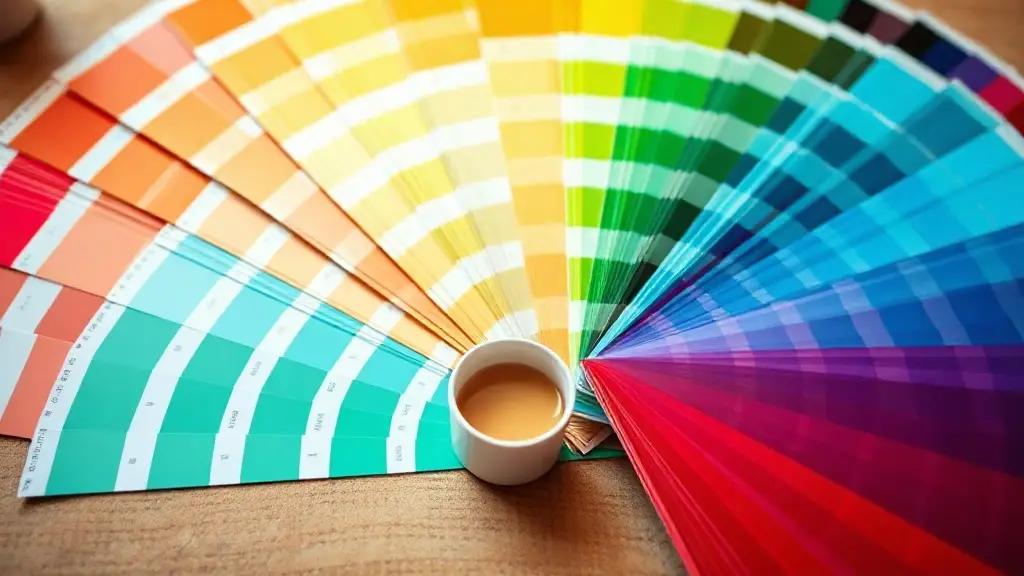
Giving your home a fresh coat of paint is one of the most cost-effective ways to transform its look and protect it from the elements. Whether you are a homeowner planning a DIY makeover or a contractor working on a large residential project in Tamil Nadu, understanding which paint products to use — and how to apply them correctly — can make a significant difference in the final result. From choosing the right finish for interior walls to selecting a durable exterior paint that stands up to Tamil Nadu's intense heat and monsoon rains, every decision matters. This guide walks you through the key factors that lead to a long-lasting, beautiful paint job.
Why Surface Preparation Is the Foundation of a Great Paint Job
No matter how premium your paint is, poor surface preparation will undermine the final finish. Walls that have cracks, moisture stains, or uneven texture need to be treated before any colour is applied. A high-quality wall putty is the first step — it fills minor imperfections, smooths out rough patches, and creates a uniform base that helps paint adhere evenly. Skipping this step often results in peeling, bubbling, or an uneven sheen that becomes visible within just a few months.
For older homes or newly plastered walls, applying two coats of wall putty followed by light sanding can dramatically improve the finish. Once the surface is smooth and dry, a good primer locks everything in place and ensures the topcoat bonds correctly. Taking this preparation phase seriously saves both time and money in the long run by reducing the need for touch-ups and repainting.
Protecting Exterior Walls from Tamil Nadu's Harsh Climate
Tamil Nadu's climate is a demanding one for exterior paintwork. The combination of scorching summer heat, high humidity, and heavy monsoon rainfall means that ordinary paint can fade, crack, or peel within a season or two. Investing in a premium exterior paint specifically formulated for tropical climates is essential. These products contain UV-resistant pigments and flexible binders that expand and contract with temperature fluctuations without cracking.
Before applying exterior paint, it is worth considering a dedicated waterproofing solution for walls that show signs of dampness or seepage. Waterproofing creates an invisible barrier that prevents rainwater from penetrating the wall surface, protecting both the paint finish and the structural integrity of the building. This is especially important for buildings near the coast or in areas that experience heavy rainfall during the northeast monsoon season.
Adding Style and Texture to Interior Spaces
Beyond basic wall colour, many homeowners and interior designers are now exploring texture paint to add depth and character to living rooms, feature walls, and commercial spaces. Texture paint can mimic the look of stone, sand, or fabric, giving a room a premium, designer feel without the cost of actual materials. It also has the practical advantage of hiding minor wall imperfections that remain even after putty application.
For wooden surfaces such as doors, window frames, and furniture, a quality wood primer is a non-negotiable first step. Wood is porous and expands with changes in humidity, which means untreated wood absorbs paint unevenly and is prone to peeling. A dedicated wood primer seals the grain, prevents moisture absorption, and provides a stable surface for the topcoat, ensuring a smooth, long-lasting finish on all timber elements in your home.
Frequently Asked Questions
Q: How many coats of wall putty should I apply before painting?
For most interior walls, two coats of wall putty are recommended. Allow the first coat to dry completely, then sand lightly before applying the second coat. This ensures a perfectly smooth base for your paint and improves colour consistency.
Q: Which type of paint is best for exterior walls in Tamil Nadu?
A premium exterior paint with waterproofing properties and UV resistance is the best choice for Tamil Nadu's climate. Look for products specifically labelled for tropical or high-humidity environments, as these are formulated to resist fading, cracking, and algae growth caused by heat and moisture.
Q: Can I apply texture paint over old painted walls?
Yes, in most cases texture paint can be applied over existing painted surfaces, provided the old paint is clean, dry, and firmly adhered. Loose or peeling areas should be scraped and treated first. A bonding primer may be advised to help the texture coat grip the surface securely.
Related Products at Quality Colours
- Wall Putty — Smooth base for interior walls
- Exterior Paint — Weather-resistant colour for Tamil Nadu's climate
- Waterproofing Solutions — Stop seepage and dampness
- Texture Paint — Designer finishes for feature walls
- Wood Primer — Long-lasting protection for wooden surfaces
Need expert paint advice? Call or WhatsApp Quality Colours: +917418831122
Source: JKCL20426 Bond Price and Chart — BSE:JKCL20426 - TradingView


