
JK Lakshmi’s LC3 cement expansion is making news in the construction world, and it has real relevance for homeowners and contractors in Tamil Nadu. LC3, or limestone calcined clay cement, is a more sustainable building material with lower carbon emissions than ordinary Portland cement. The shift toward LC3 matters because the condition of your cement plaster directly affects how paint sits on your walls, how long it lasts, and how well it protects your home from moisture and heat. The right preparation and the right coatings can make any cement wall perform better.
What Is LC3 Cement and Why Is It Expanding?
LC3 combines limestone, calcined clay, and a smaller amount of clinker to create a strong cement while cutting carbon footprint. JK Lakshmi’s latest expansion of LC3 capacity shows that this new-age cement is ready for large-scale use. It is especially useful in hot and humid climates where durable construction materials are essential.
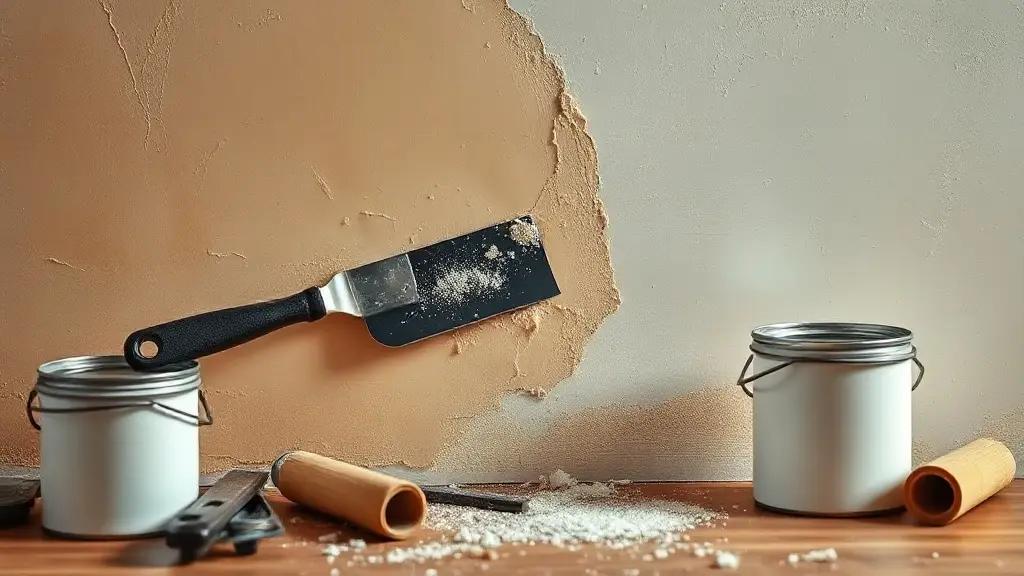
For any cement-based wall, a smooth and clean surface is critical. Apply a reliable wall putty before painting to fill minor cracks and create an even base. This step helps the paint perform better and gives a more uniform finish to interior walls.
How LC3 Cement Affects Wall Surfaces and Paint Application
LC3 cement can influence the curing and drying process because calcined clay changes the material’s water demand. Painting too early can trap moisture and lead to peeling or blistering. Always allow the plaster to dry completely and monitor for damp spots before any primer is applied.
On exterior walls, combine a waterproofing coat with a premium exterior paint to guard against monsoon rain and coastal humidity. Inside, texture paint adds style while hiding surface imperfections. For doors and windows, never skip wood primer—it seals the timber and helps the topcoat last longer.
Smart Painting Tips for Homes and Projects in Tamil Nadu
Tamil Nadu’s climate can be unforgiving on painted surfaces. The morning sun, afternoon heat, and heavy rains all put stress on your walls. A complete layer system—putty, primer, then paint—is the best way to protect your investment.
Contractors should also schedule painting after all wet work like tiling and curing is finished. Use waterproofing on parapets and exposed slabs. For living rooms and feature walls, textured paint can create beautiful visual depth. Visit Quality Colours for guidance on choosing the right product for your project.
Frequently Asked Questions
Q: Does LC3 cement need special paint or primer before coating?
A: No special paint is required, but the wall must be fully cured and dry. Use a good wall putty, primer, and quality emulsion or exterior paint to get the best result.
Q: Is waterproofing necessary before exterior paint on LC3 walls?
A: Yes, especially for Tamil Nadu homes. Apply a waterproofing coat on cleaned exterior surfaces before the final exterior paint to prevent seepage and damp patches during monsoon.
Q: Can I use texture paint on LC3 cement walls?
A: Yes. Texture paint gives a decorative finish and works well on properly prepared cement surfaces. Ensure the base is dry, dust-free, and stable before application.
Related Products at Quality Colours
Need expert paint advice? Call or WhatsApp Quality Colours: +917418831122
Source: JK Lakshmi Advances LC3 Cement Expansion - Construction World


