
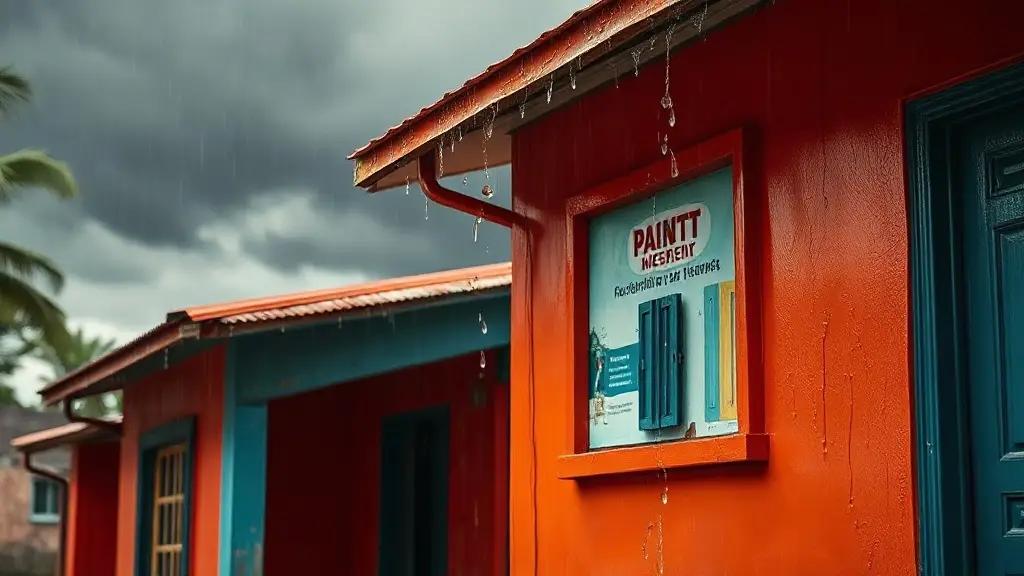
Every year when the southwest monsoon sweeps across Tamil Nadu, it awakens something deeply creative in people — poets reach for their notebooks, painters mix earthy palettes, and musicians find fresh inspiration in the rhythm of falling rain. The monsoon is beautifully woven into the region's cultural fabric, from classical Tamil literature celebrating the season to films capturing rain-soaked streets. Yet while we celebrate the rains in art and culture, it is equally important to remember what that same moisture can do to our homes. Walls absorb humidity, surfaces swell, and paint peels — transforming a beautiful home into a maintenance nightmare if not properly protected before the season arrives.
How the Monsoon Has Always Inspired Tamil Art and Culture
Rain holds a sacred place in Tamil cultural expression. Ancient Sangam poetry categorised landscapes by seasons, with the 'Marutham' and 'Mullai' tinai traditions evoking imagery of lush monsoon landscapes, thunderclouds, and flooded rivers. This reverence for rain continued through centuries of Tamil cinema, where directors have used the monsoon as a storytelling device — a symbol of longing, reunion, or emotional release. Painters too have long been drawn to the interplay of grey skies and vivid green earth that only the rainy season brings.
Music in particular comes alive during this time. Carnatic ragas like Amritavarshini are traditionally associated with invoking rain, and contemporary Tamil musicians frequently incorporate the sound of falling water into their compositions. The monsoon, in short, is not just a meteorological event in Tamil Nadu — it is a cultural season that touches every creative discipline.
What the Monsoon Really Does to Your Home's Surfaces
While the rains inspire beautiful art, they can be quite destructive to building surfaces if left unchecked. Moisture seeps through micro-cracks in exterior walls, causing the paint layer to bubble and flake. Damp walls inside the home lead to unsightly stains, fungal growth, and a musty atmosphere that is difficult to eliminate once it sets in. Wooden doors, window frames, and furniture are particularly vulnerable, as untreated or poorly primed wood absorbs moisture rapidly, leading to warping and decay. This is exactly why many homeowners and contractors in Tamil Nadu choose to carry out their painting and waterproofing work just before the monsoon hits.
Applying a high-quality exterior paint with weather-resistant properties forms the first line of defence for your building's outer walls. Equally important is a dedicated waterproofing treatment for terraces, parapet walls, and areas prone to water pooling. These two steps together can dramatically extend the life of your paint job and prevent expensive structural repairs down the line.
Pre-Monsoon Wall Preparation Tips for Tamil Nadu Homeowners
Good surface preparation is the foundation of any long-lasting paint job, and this is doubly true when rain is on the way. Start by inspecting all exterior walls for cracks, efflorescence, or loose plaster. Filling these imperfections with a premium wall putty before applying any paint ensures a smooth, uniform base that resists moisture penetration. For interior walls, check areas around windows and bathrooms where condensation tends to build up. On wooden surfaces such as doors, gates, and furniture, applying a quality wood primer before the topcoat seals the grain and prevents moisture from entering the wood fibres.
If you want to add visual character to an accent wall while also giving it additional protection, consider texture paint — it not only creates a stylish finish but also adds a thicker coating that helps shield the surface from humidity-driven wear. Planning your painting schedule at least two to three weeks before the peak monsoon months of June and July in Tamil Nadu gives each coat adequate time to cure properly.
Frequently Asked Questions
Q: Can I paint my exterior walls during the monsoon season in Tamil Nadu?It is generally not advisable to apply exterior paint during active rainfall, as excess moisture prevents the paint from adhering and curing correctly. The ideal time is just before the monsoon, during dry spells, or after the rains have fully withdrawn. If you must paint during the season, choose a dry window of at least 48 hours and use a weather-resistant exterior paint formulated for high-humidity conditions.
Q: How does wall putty help protect my home during the rainy season?Wall putty fills hairline cracks and surface irregularities in your walls before paint is applied. This creates a sealed, even base that stops rainwater from seeping into the wall substrate. Without putty, even the best quality paint cannot fully bridge surface gaps, leaving your walls vulnerable to dampness and staining over time.
Q: Which product is best for terrace waterproofing in Tamil Nadu?A dedicated waterproofing compound applied to the terrace floor and parapet walls is the most effective solution for preventing water ingress through the roof. Look for products that are elastomeric and UV-resistant, as Tamil Nadu terraces face both intense heat and heavy rainfall throughout the year. Quality Colours stocks a range of waterproofing solutions suited to local climate conditions.
Related Products at Quality Colours
- Wall Putty – Smooth base coat for crack-free walls
- Exterior Paint – Weather-resistant protection for outer walls
- Waterproofing Solutions – Terrace and wall waterproofing
- Texture Paint – Decorative and protective wall finishes
- Wood Primer – Moisture protection for wooden surfaces
Need expert paint advice? Call or WhatsApp Quality Colours: +917418831122
Source: Films, literature, paintings, and musical notes drenched in the rains - The New Indian Express


