
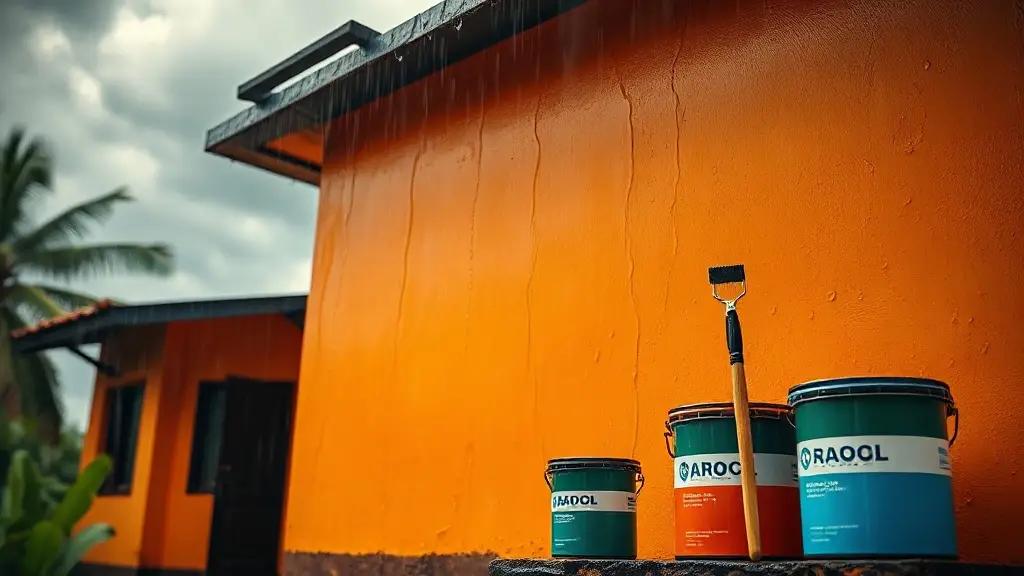
Every year, as the northeast monsoon sweeps across Tamil Nadu, homeowners and contractors face a familiar double trouble: walls soaking up moisture and indoor air quality taking a sharp downturn. The connection between damp walls and respiratory problems is stronger than most people realise. Mould spores, mildew, and fungal growth thrive on wet surfaces, releasing allergens that can worsen asthma, trigger sneezing fits, and irritate the lungs of even perfectly healthy residents. Taking proactive steps — both medically and when it comes to your home's surfaces — can make a world of difference during the rainy season in Tamil Nadu.
How Monsoon Moisture Damages Your Walls and Your Health
When rainwater seeps through cracks in exterior walls or rises through the floor as dampness, it creates the perfect breeding ground for mould and fungal colonies. These microscopic organisms release spores into the air you breathe every day inside your home. For people living with asthma or seasonal allergies, this invisible threat can cause serious flare-ups, chest tightness, and persistent coughing that refuses to go away even with medication. Children and elderly family members are especially vulnerable during the wet months of October through December.
The problem is not limited to older buildings. Even recently constructed homes in cities like Chennai, Coimbatore, and Madurai can suffer from moisture intrusion if the exterior surfaces were not properly sealed before the rains arrived. Once water penetrates the wall substrate, it is very difficult to dry out naturally, and the damage compounds season after season.
Protecting Exterior Walls Before the Rains Hit
The most effective defence against monsoon moisture damage is a combination of proper surface preparation and a high-quality exterior paint system. Before applying any topcoat, applying a good wall putty fills hairline cracks and creates a smooth, even base that resists water penetration from the very first shower. Following up with a premium exterior paint that contains anti-fungal and water-repellent properties creates a long-lasting barrier against the relentless Tamil Nadu rains. This two-step approach dramatically reduces the chance of moisture reaching the inner wall layers where mould can silently grow.
For homes that have already suffered from chronic dampness — visible stains, peeling paint, or a musty smell — a dedicated waterproofing solution applied to exterior surfaces is the right first step before any repainting work begins. This treatment blocks capillary water movement through the wall and is especially recommended for ground-floor rooms, bathroom-adjacent walls, and any surface that faces the prevailing wind and rain direction in your area.
Keeping Indoor Spaces Healthy During Wet Weather
Good ventilation is the simplest indoor remedy during the monsoon — keeping windows open during dry spells and using exhaust fans in kitchens and bathrooms prevents moisture from accumulating on walls. Wiping down condensation from window frames and wall corners regularly also helps. From a painting perspective, applying a texture paint with anti-microbial additives on interior walls adds an extra layer of protection, as the formulation resists the growth of mould and algae that ordinary emulsion paint cannot always prevent in high-humidity zones.
Wooden doors, window frames, and furniture legs that sit close to the floor are another hidden source of mould during the monsoon. Sealing all timber surfaces with a quality wood primer before the rains arrive prevents moisture from being absorbed into the grain, which in turn stops fungal growth from starting on wooden surfaces and spreading to surrounding walls. Regular inspection of these areas after heavy rain events is a wise habit for any homeowner or facility manager in Tamil Nadu.
Frequently Asked Questions
Q: Can damp walls really make asthma worse during the monsoon?
Yes, absolutely. Wet walls encourage mould and mildew growth, and the spores released by these fungi are well-known respiratory irritants. Reducing wall dampness through waterproofing and quality exterior paint is one of the most practical steps you can take to improve indoor air quality and protect the breathing health of everyone in your household.
Q: How soon before the monsoon should I waterproof and repaint my exterior walls?
Ideally, exterior wall preparation, waterproofing, and repainting should be completed at least four to six weeks before the onset of the monsoon season. This allows sufficient curing time for the waterproofing coat and the exterior paint, ensuring they form a fully hardened, protective film before the first heavy rains arrive in Tamil Nadu.
Q: Which products are best for preventing monsoon-related wall dampness in Tamil Nadu?
A complete system works best: start with wall putty to seal surface imperfections, follow with a waterproofing coat for problem-prone areas, and finish with a weather-resistant exterior paint. For wooden surfaces in and around your home, applying a wood primer before the monsoon prevents moisture absorption and reduces mould growth on timber fixtures.
Related Products at Quality Colours
- Wall Putty — Smooth base coat for crack-free surfaces
- Exterior Paint — Weather-resistant protection for Tamil Nadu homes
- Waterproofing Solutions — Stop monsoon seepage at the source
- Texture Paint — Anti-microbial interior finish for humid conditions
- Wood Primer — Monsoon protection for doors, windows, and timber
Need expert paint advice? Call or WhatsApp Quality Colours: +917418831122
Source: Monsoon Can Affect Respiratory Health: Tips For Patients With Asthma & Allergies - News18


