
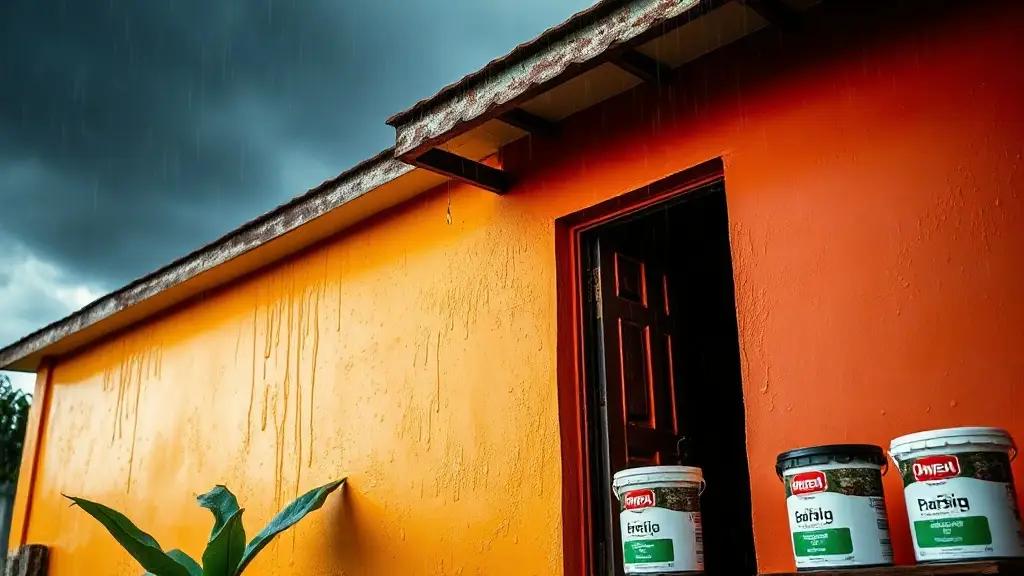
The monsoon season in Tamil Nadu brings welcome relief from the scorching heat, but it also brings with it a serious threat to your home's walls, ceilings, and exterior surfaces. Just as vehicle owners prepare their bikes and cars for the wet season, homeowners and contractors must take proactive steps to safeguard their properties against moisture damage, seepage, and peeling paint. Acting before the first rains arrive is always far more cost-effective than repairing water damage after the fact. Here is everything you need to know to keep your home looking fresh and structurally sound all through the rainy season.
Why Moisture Is Your Home's Biggest Enemy During Monsoon
When heavy rainfall hits Tamil Nadu — especially in districts like Chennai, Coimbatore, Madurai, and Salem — water finds its way into the tiniest cracks in your walls and foundation. Over time, this trapped moisture leads to paint bubbling, fungal growth, efflorescence (white salt deposits), and in severe cases, structural weakening of the masonry. Many homeowners only notice the damage once ugly stains and cracks have already appeared on their interior walls, by which point the repair cost is significantly higher.
The good news is that a little preparation goes a long way. Inspecting your exterior walls for hairline cracks, loose plaster, and old peeling paint before the monsoon sets in can save you thousands of rupees in post-rain repairs. Sealing these vulnerabilities early ensures that water has no entry point into your walls in the first place.
How to Prepare Your Exterior Walls Before the Rains
Start by thoroughly cleaning your exterior walls to remove dust, algae, and loose paint flakes. Once the surface is clean and dry, apply a high-quality wall putty to fill any cracks, dents, or uneven patches. Wall putty creates a smooth, strong base that bonds well with the topcoat and prevents water from seeping into minor surface imperfections. Allow the putty to cure fully before moving to the next step.
Next, apply a premium waterproofing solution to all exposed exterior surfaces, especially areas prone to water pooling such as parapets, window ledges, and the base of walls. After waterproofing, finish with a weather-resistant exterior paint that is specially formulated to withstand Tamil Nadu's intense monsoon rains, UV radiation, and high humidity. A good exterior paint will provide a breathable yet water-repellent barrier, keeping your walls dry and vibrant for years.
Don't Overlook Wooden Surfaces and Interior Walls
Wooden doors, window frames, and furniture are especially vulnerable during the monsoon. Moisture causes wood to swell, warp, and eventually rot if left unprotected. Before the rains begin, sand down any rough or flaking areas on wooden surfaces and apply a quality wood primer. A good wood primer penetrates deep into the grain, sealing moisture out and providing a firm base for the topcoat paint. This simple step dramatically extends the lifespan of your wooden fixtures.
Interior walls are not immune either. Dampness can travel through exterior walls to affect your interiors, causing unsightly stains and encouraging mould growth. Consider adding a coat of texture paint on interior accent walls — not only does it enhance the aesthetic appeal of your living spaces, but many texture paint formulations also offer an added layer of moisture resistance, making them a smart choice for humid Tamil Nadu climates.
Frequently Asked Questions
Q: How soon before the monsoon should I start waterproofing my home?
Ideally, you should begin waterproofing and exterior painting work at least four to six weeks before the expected onset of the monsoon. This gives sufficient time for wall putty, waterproofing compounds, and paint layers to cure completely and bond firmly to the surface before any rain exposure.
Q: Can I paint my exterior walls during the monsoon season in Tamil Nadu?
It is generally not advisable to apply exterior paint during active rainfall or when humidity levels are extremely high, as the paint will not adhere properly and may peel quickly. However, you can carry out work during dry spells within the monsoon period if surfaces are completely dry and humidity is manageable. Always consult a professional painter for guidance.
Q: What is the difference between waterproofing and exterior paint — do I need both?
Yes, they serve different purposes. Waterproofing creates an impermeable barrier that blocks water from penetrating the wall substrate, while exterior paint provides UV protection, colour, and an additional weather-resistant finish on the surface. For best results in Tamil Nadu's climate, using both in combination is strongly recommended.
Related Products at Quality Colours
- Wall Putty – Smooth base coat for crack-free walls
- Waterproofing Solutions – Keep monsoon moisture out
- Exterior Paint – Weather-resistant finishes for Tamil Nadu climate
- Texture Paint – Stylish and moisture-resistant interior finishes
- Wood Primer – Protect wooden doors and window frames
Need expert paint advice? Call or WhatsApp Quality Colours: +917418831122
Source: Monsoon bike care guide: 10 things every rider should do before the rains - The Times of India


