
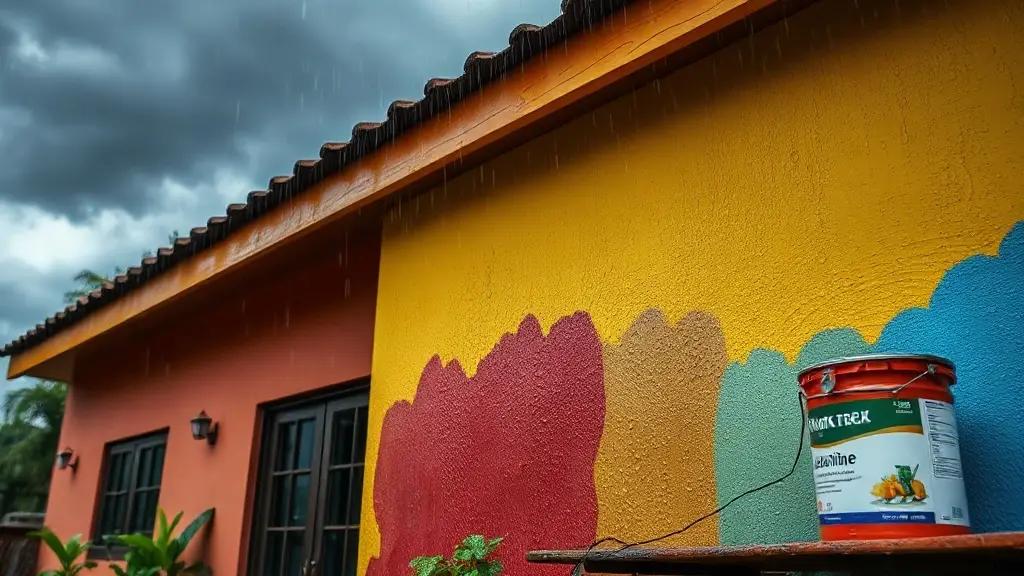
Every year, as the southwest and northeast monsoons sweep across Tamil Nadu, homeowners and contractors face the same challenge — keeping buildings safe from moisture damage, seepage, and paint deterioration. Whether you live in Chennai, Coimbatore, Madurai, or a smaller town in the region, heavy rainfall can silently destroy your walls from the outside in. The good news is that a little preparation before the rains arrive can save you thousands of rupees in repairs. Here is what every homeowner and contractor in Tamil Nadu should know about protecting buildings during the monsoon season.
Why Monsoon Moisture Is a Serious Threat to Your Walls
When rainwater repeatedly soaks into exterior walls, it triggers a chain reaction of damage. First, the surface paint begins to bubble and peel. Then, dampness seeps inward, causing internal walls to develop patches of discolouration and fungal growth. Over time, the structural plaster begins to crack and crumble. This is especially common in older buildings and in coastal areas like Chennai and Nagapattinam where humidity levels remain elevated for months. Many homeowners mistakenly believe a fresh coat of interior paint will fix the problem, but the root cause is always the exterior surface allowing water ingress.
The most effective long-term solution is applying a high-quality waterproofing treatment to all exterior surfaces before the monsoon sets in. A good waterproofing coat creates a flexible, water-resistant barrier that prevents rainwater from penetrating the wall substrate, keeping your interiors dry and your paint looking fresh for years.
Preparing Your Home's Exterior Before the Rains Arrive
Proper surface preparation is just as important as choosing the right product. Begin by thoroughly cleaning all exterior surfaces to remove dirt, algae, and loose paint. Any cracks or gaps in the plaster should be filled and allowed to cure completely. Once the surface is smooth and stable, applying a premium quality exterior paint with weather-resistant properties ensures that your walls can withstand prolonged exposure to rain, wind, and UV rays. Look for formulations that offer anti-algae and anti-fungal protection, as Tamil Nadu's humid climate makes biological growth on walls extremely common during and after the monsoon months.
For walls that already show signs of unevenness or minor surface damage, applying a coat of wall putty before painting provides a smooth, even base that helps the top coat bond better and last significantly longer. This small additional step makes a noticeable difference to the final finish and the overall durability of your paint job.
Roof, Terrace, and Compound Wall Protection Tips
It is not just the vertical walls that need attention. Flat terraces and rooftops are among the most vulnerable areas in any Tamil Nadu home during heavy rainfall. Water that pools on a flat roof and finds even a hairline crack can seep into ceilings and cause extensive interior damage. Before the monsoon, inspect terrace surfaces carefully and apply a specialised waterproofing treatment to seal any porous areas. Compound walls and boundary walls are also frequently overlooked — these structures absorb enormous amounts of rainwater and, without adequate protection, transfer that moisture into the main building over time.
Contractors working on new construction projects should also pay attention to wood elements such as window frames, door frames, and wooden cladding. Applying a quality wood primer before the monsoon helps seal the timber grain, preventing moisture absorption that leads to swelling, warping, and eventual rot. This is a simple protective measure that dramatically extends the life of all wooden fixtures in a building.
Frequently Asked Questions
Q: When is the best time to paint the exterior of a house in Tamil Nadu?
Ideally, exterior painting should be completed at least two to three weeks before the onset of the monsoon so the paint has adequate time to cure fully. If you have missed that window, wait until there is a dry spell of at least five to seven consecutive days before proceeding. Painting on damp or wet surfaces leads to poor adhesion and premature peeling.
Q: Can I apply waterproofing on top of my existing exterior paint?
In most cases, yes — provided the existing paint is firmly adhered and not peeling or blistering. Loose or flaking paint should be removed completely before any waterproofing treatment is applied. Applying waterproofing over compromised surfaces will not solve the underlying moisture problem and the treatment will itself fail prematurely.
Q: How often should exterior walls be repainted in Tamil Nadu's climate?
Given the intense sun, high humidity, and seasonal monsoon rains, exterior walls in Tamil Nadu generally require repainting every three to five years. Using a premium weather-resistant exterior paint and preparing the surface properly with wall putty and primer before painting can extend this interval and keep your home looking well-maintained for longer.
Related Products at Quality Colours
- Waterproofing Solutions — Protect terraces, roofs, and exterior walls from rain seepage
- Exterior Paint — Weather-resistant, anti-fungal formulas for Tamil Nadu's climate
- Wall Putty — Smooth, durable base coat for longer-lasting paint finishes
- Wood Primer — Seal and protect wooden doors, frames, and fixtures before the monsoon
- Texture Paint — Decorative and protective finishes for interior and exterior walls
Need expert paint advice? Call or WhatsApp Quality Colours: +917418831122
Source: India's most scenic monsoon road trips: safety tips travellers should know - The Times of India


