
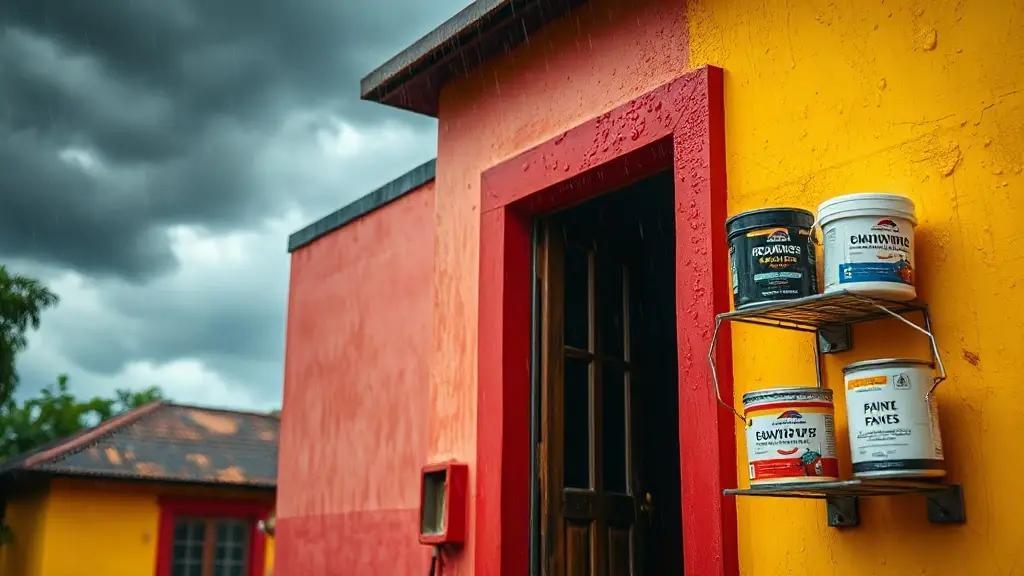
The monsoon season in Tamil Nadu is both a relief from the scorching heat and a serious test for your home's surfaces. Heavy rainfall, rising humidity, and relentless moisture can wreak havoc on walls, ceilings, and wooden fixtures if they are not properly prepared. Just as drivers get their vehicles monsoon-ready before the rains hit, homeowners and contractors should take proactive steps to shield their properties. A little preparation now can save you from costly repairs later — and the key to that preparation starts with choosing the right paint products and applying them correctly.
Why Monsoon Moisture Is a Serious Threat to Your Walls
During heavy Tamil Nadu rains, water seeps into even the tiniest cracks in exterior walls. Once moisture penetrates the surface, it causes plaster to bubble, paint to peel, and fungal growth to spread rapidly. Over time, this weakens the structural integrity of your walls and creates an unhealthy indoor environment. The problem is especially common in older buildings where surface preparation was not done thoroughly before painting.
The most effective first line of defence is applying a high-quality wall putty before any paint coat goes on. Wall putty fills hairline cracks and creates a smooth, sealed base that resists moisture absorption. When combined with a premium exterior paint formulated for high-humidity conditions, your walls gain a tough, weather-resistant finish that stands up to the worst of the South Indian monsoon.
Waterproofing: The Step Most Homeowners Skip
Many homeowners focus only on the visible coat of paint and overlook the waterproofing layer underneath — and that is precisely where problems begin. Waterproofing treatment applied to exterior walls, terraces, and basement areas creates an invisible barrier that stops rainwater from penetrating the structure. In coastal and low-lying areas of Tamil Nadu, where water logging is common, this step is absolutely non-negotiable.
Professional waterproofing solutions should be applied before the monsoon arrives, ideally during the dry summer months. Contractors in Tamil Nadu recommend treating all exposed surfaces, joints, and parapet walls with a reliable waterproofing compound. Once cured, pair this with a breathable exterior paint that allows trapped moisture vapour to escape while keeping liquid water out — preventing the dreaded bubbling and flaking that ruins freshly painted walls every rainy season.
Don't Forget Wooden Surfaces and Textured Finishes
Wood is highly vulnerable during the monsoon. Doors, window frames, and wooden furniture absorb moisture quickly, causing warping, swelling, and rotting if left unprotected. Applying a good wood primer before the rains is essential — it penetrates the grain, seals the surface, and provides a strong adhesion base for the topcoat. This simple step dramatically extends the life of your wooden fixtures and keeps them looking fresh season after season.
For homeowners who love decorative wall finishes, texture paint is another product worth considering before the monsoon. Applied to interior feature walls, texture paint adds depth and character while also providing an additional layer of protection against surface dampness. Ensure the room is well-ventilated during application and allow adequate curing time before the humidity peaks. Investing in quality surface treatments now means your interiors will remain beautiful and damage-free throughout the rainy months ahead.
Frequently Asked Questions
Q: How early should I apply waterproofing before the Tamil Nadu monsoon?
Ideally, waterproofing treatments should be applied at least four to six weeks before the monsoon season begins. This allows adequate curing time and ensures the coating performs at its best when heavy rains arrive.
Q: Can I paint my exterior walls during the monsoon season?
It is best to avoid exterior painting during active rainfall or very high humidity. If urgent, use a specially formulated exterior paint designed for humid conditions, and pick dry spells between rain showers for application. Always ensure the surface is completely dry before you begin.
Q: Is wall putty necessary before applying exterior paint?
Yes, wall putty is highly recommended before exterior paint. It fills cracks and surface imperfections, creates a uniform base, and improves paint adhesion — all of which result in a longer-lasting, more attractive finish that better resists monsoon moisture.
Related Products at Quality Colours
- Wall Putty — Smooth base coat for crack-free, moisture-resistant walls
- Exterior Paint — Weather-proof finishes built for Tamil Nadu's climate
- Waterproofing Solutions — Protect terraces, basements, and exterior walls
- Texture Paint — Decorative and protective finishes for interior walls
- Wood Primer — Essential monsoon protection for doors and wooden fixtures
Need expert paint advice? Call or WhatsApp Quality Colours: +917418831122
Source: Monsoon Driving Tips: How to Prepare your Car for the Rainy Season - carindia.in


