
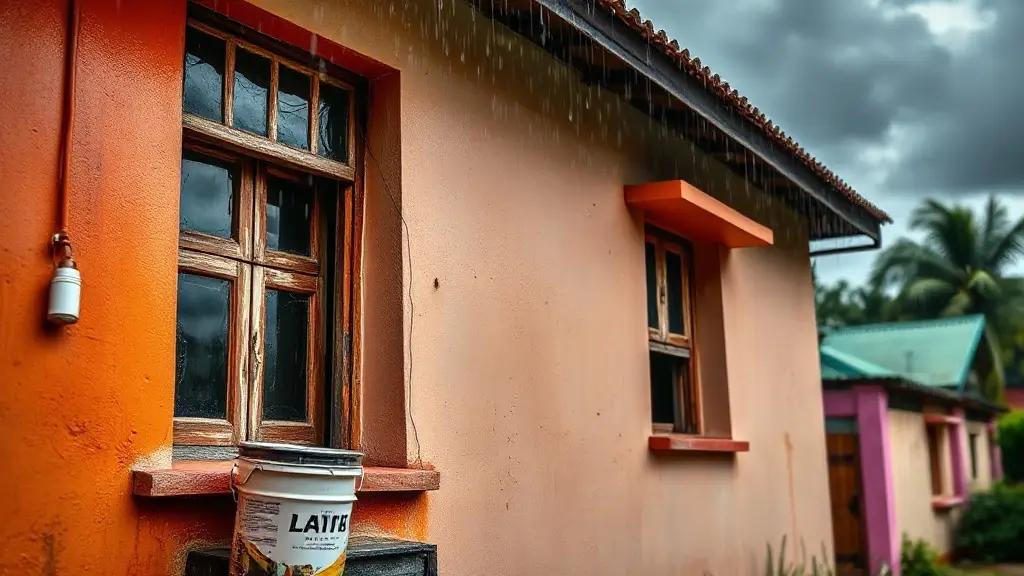
The monsoon season in Tamil Nadu brings much-needed relief from the heat, but it also brings serious challenges for homeowners and contractors. Heavy rainfall, rising humidity, and relentless moisture can quietly damage your home's walls, surfaces, and woodwork — often before you even notice the problem. Just like you would prepare your vehicle for wet-weather driving, your home deserves the same level of protective attention before the rains set in. Taking a few smart steps now can save you from expensive repairs later and keep your home looking fresh and strong all year round.
Why Monsoon Moisture Is a Threat to Your Home's Exterior
During the monsoon months, exterior walls are constantly exposed to wind-driven rain, water seepage, and surface dampness. Over time, this moisture penetrates the paint film and reaches the underlying plaster or masonry, leading to bubbling, peeling, flaking, and even the growth of algae and mould. In coastal and low-lying areas of Tamil Nadu — such as Chennai, Nagapattinam, and Cuddalore — the problem is even more severe due to salt-laden air combined with heavy rainfall.
Applying a high-quality exterior paint with weather-resistant and UV-protective properties is one of the most effective ways to shield your walls from monsoon damage. A good exterior paint creates a tough, breathable barrier that repels water while still allowing trapped moisture to escape, preventing the dreaded bubbling effect that many homeowners face after every rainy season.
The Role of Waterproofing and Wall Putty in Monsoon Protection
Before you even think about applying paint, it is essential to address any existing cracks, hairline fractures, or uneven surfaces on your walls. Water has a way of finding even the smallest gap, and once it enters through a crack, the damage can spread rapidly beneath the surface. This is where wall putty plays a crucial role — it fills imperfections, creates a smooth and even base, and significantly improves the adhesion of the top coat, making your paint job last far longer.
Equally important is a dedicated waterproofing solution applied to high-risk areas such as terraces, parapets, bathroom walls, and basement surfaces. A proper waterproofing treatment acts as a primary line of defence, stopping water at the point of entry rather than relying solely on the paint layer. For Tamil Nadu homes that endure intense northeast monsoon downpours, investing in waterproofing before the season begins is not optional — it is essential.
Don't Overlook Wood and Texture Surfaces During the Rains
Wooden doors, window frames, and furniture are highly vulnerable during the monsoon. Wood naturally absorbs moisture, which causes it to swell, warp, and eventually crack. Applying a quality wood primer before the rains arrive creates a protective seal that prevents moisture absorption and extends the life of your woodwork considerably. A wood primer also ensures better adhesion for the topcoat, giving wood surfaces a smoother, more durable finish that stands up to the wet season.
If your home features decorative wall finishes, monsoon season can also dull or damage texture paint surfaces, particularly on exterior feature walls. Choosing a texture paint that is specifically formulated for outdoor use ensures that your decorative finishes remain vibrant and intact even through heavy downpours. Always confirm with your paint supplier that the texture product you select is rated for exterior and wet-weather conditions.
Frequently Asked Questions
Q: When is the best time to paint exterior walls in Tamil Nadu before the monsoon?Ideally, exterior painting should be completed at least four to six weeks before the monsoon season begins. This allows sufficient drying and curing time for the paint and waterproofing layers. In Tamil Nadu, this typically means completing exterior work before late October when the northeast monsoon arrives, or before June for regions affected by the southwest monsoon.
Q: Can I apply waterproofing over existing paint, or do I need to remove the old paint first?It depends on the condition of the existing paint. If the current coat is peeling, flaking, or powdery, it must be removed and the surface properly prepared before waterproofing is applied. If the existing paint is in good condition and firmly bonded to the wall, a compatible waterproofing solution can often be applied on top. Always consult a paint expert before proceeding to ensure product compatibility.
Q: How do I prevent algae and mould growth on my walls during the rainy season?Algae and mould thrive in damp, humid conditions, making Tamil Nadu walls especially susceptible during and after the monsoon. Using an exterior paint that contains anti-fungal and anti-algal properties is the most reliable long-term solution. Additionally, ensuring proper wall drainage, fixing leaking pipes promptly, and keeping vegetation away from exterior walls will help reduce moisture build-up and discourage biological growth.
Related Products at Quality Colours
- Exterior Paint – Weather-Resistant & UV-Protective Finishes
- Waterproofing Solutions – For Terraces, Walls & Basements
- Wall Putty – Crack Filling & Smooth Base Coat
- Wood Primer – Moisture Protection for Doors & Frames
- Texture Paint – Durable Decorative Finishes for Exteriors
Need expert paint advice? Call or WhatsApp Quality Colours: +917418831122
Source: Monsoon Car Care: Protecting Your Car's Exterior - vocal.media


