
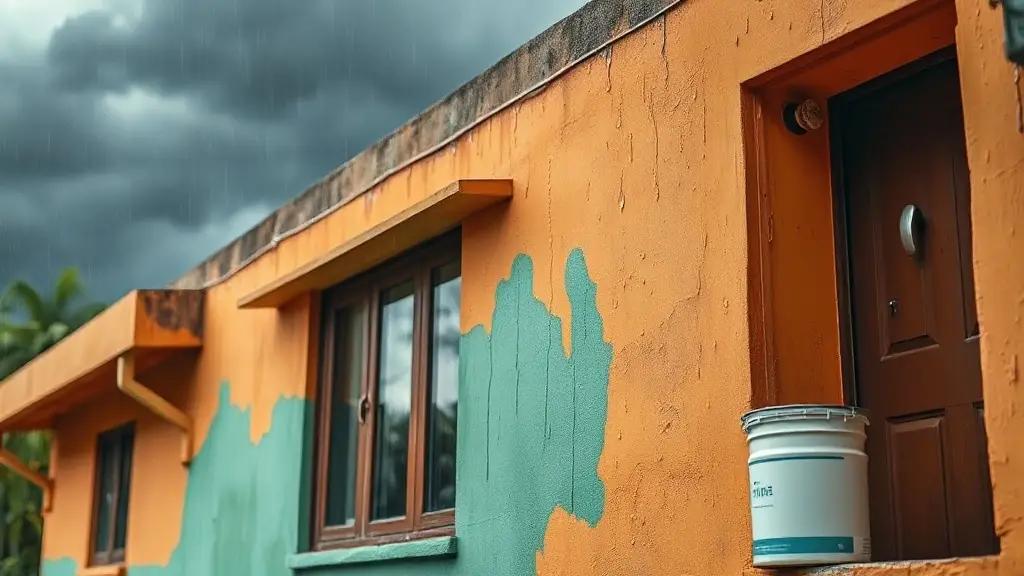
The monsoon season in Tamil Nadu brings much-needed relief from the scorching heat, but it also unleashes a wave of challenges for homeowners and contractors alike. Heavy rainfall, rising humidity, and persistent dampness can wreak havoc on your walls, ceilings, and wooden surfaces if they are not properly prepared. Whether you live in Chennai, Coimbatore, Madurai, or a smaller town across the state, understanding how to safeguard your home during the rainy months is essential. From peeling paint to stubborn seepage, the damage caused by monsoon moisture can be both costly and frustrating — but the good news is that the right products and timely preparation can make all the difference.
Why Monsoon Moisture Is Your Walls' Worst Enemy
When rainwater repeatedly strikes exterior surfaces or seeps through cracks, it penetrates deep into the wall substrate. This leads to efflorescence — the white chalky patches you often notice after rains — as well as paint bubbling, flaking, and even structural dampness inside the home. In Tamil Nadu, where the northeast monsoon can bring intense and prolonged downpours, walls that lack adequate protection are especially vulnerable. The problem is not just cosmetic; unchecked moisture can weaken plaster and masonry over time.
Applying a high-quality exterior paint with weather-resistant properties is one of the most effective first lines of defence. Look for formulations that offer UV resistance alongside waterproofing characteristics, ensuring your exterior walls stay vibrant and intact even through the harshest rains. At Quality Colours, we stock a curated range of premium exterior paints suited to Tamil Nadu's specific climate conditions.
Sealing the Surface: Waterproofing Before the Rains Hit
One of the biggest mistakes homeowners make is waiting until water has already entered the walls before thinking about waterproofing. Ideally, waterproofing should be done before the monsoon arrives, giving coatings adequate time to cure and bond with the surface. Roof slabs, parapet walls, bathrooms, and exterior facades are the most critical areas to address. A reliable waterproofing solution creates an impermeable barrier that prevents rainwater from infiltrating the structure, keeping interiors dry and comfortable throughout the season.
Contractors working on residential or commercial projects in Tamil Nadu should also pay close attention to surface preparation. Applying wall putty before the topcoat ensures a smooth, even base that reduces micro-cracks and pinholes through which moisture can sneak in. A properly puttied surface also improves paint adhesion significantly, extending the life of the finish well beyond the monsoon months.
Protecting Wooden Surfaces and Adding Finishing Touches
Walls are not the only surfaces that suffer during the monsoon — wooden doors, window frames, and furniture are equally at risk. Swelling, warping, and fungal growth are common problems when wood is repeatedly exposed to humidity and direct moisture contact. Using a good-quality wood primer before applying any topcoat to wooden surfaces helps seal the grain, prevent moisture absorption, and provide a stable base that ensures the final finish lasts longer. This is a step that many homeowners skip, only to regret it when their freshly painted doors start peeling within a season.
For those looking to add character to interior walls while maintaining a durable finish, texture paint is an excellent choice. Modern texture paints are formulated to resist fungal growth and moisture ingress, making them a practical and attractive option for living rooms, bedrooms, and hallways. A well-textured wall not only looks elegant but also tends to hide minor surface imperfections that become more visible with damp conditions.
Frequently Asked Questions
Q: How soon before the monsoon should I apply waterproofing to my home's exterior?
It is best to complete waterproofing treatments at least four to six weeks before the monsoon season begins. This allows the coating to fully cure and bond, giving your walls maximum protection once the rains arrive.
Q: Can I apply wall putty over damp walls?
No. Wall putty should always be applied to a clean, dry surface. Applying it over damp or wet walls will prevent proper adhesion and cause the putty to crack or peel. Ensure the surface is completely dry before beginning any surface preparation work.
Q: Which type of paint is best for exterior walls in Tamil Nadu's monsoon climate?
A high-quality exterior paint with waterproof and weather-resistant properties is ideal for Tamil Nadu's monsoon conditions. Look for paints that specifically mention anti-fungal and anti-algae properties, as humidity promotes biological growth on exterior surfaces.
Related Products at Quality Colours
- Exterior Paint – Weather-Resistant Formulations
- Waterproofing Solutions – Roof, Wall & Bathroom
- Wall Putty – Smooth Surface Preparation
- Texture Paint – Decorative & Moisture-Resistant
- Wood Primer – Protection for Doors & Frames
Need expert paint advice? Call or WhatsApp Quality Colours: +917418831122


