
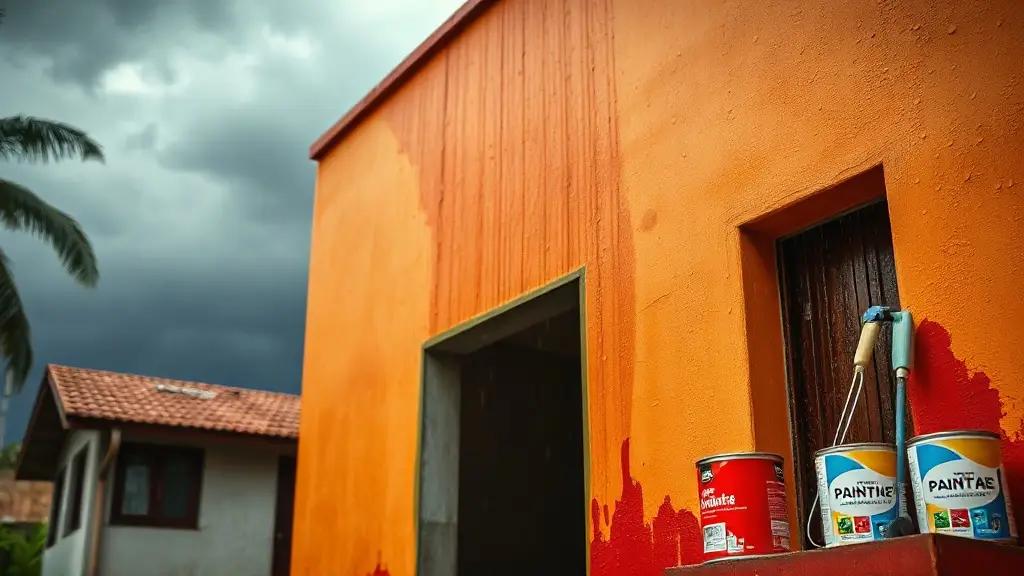
The monsoon season in Tamil Nadu brings welcome relief from the scorching heat, but it also brings a host of challenges for homeowners and contractors alike. Heavy rains, rising humidity, and persistent dampness can wreak havoc on walls, ceilings, and wooden surfaces. Whether you live in Chennai, Coimbatore, Madurai, or anywhere across the state, preparing your home before the rains arrive is the smartest investment you can make. In this guide, we walk you through the most important steps to keep your home looking fresh and structurally sound throughout the wet season and beyond.
Why Monsoon Moisture Damages Your Walls
When rainwater seeps into exterior walls, it does not just leave unsightly stains — it can cause plaster to crack, paint to peel, and mould to spread deep within the wall structure. Tamil Nadu's coastal and semi-coastal regions are especially vulnerable because salt-laden moisture accelerates surface degradation at a much faster rate than in drier climates. Many homeowners only notice the damage after it has already progressed significantly, making repairs far more expensive than prevention would have been.
Applying a high-quality exterior waterproofing solution before the monsoon is the single most effective step you can take. A good waterproofing coat creates a breathable yet water-repellent barrier that stops rain penetration while still allowing trapped moisture to escape from within the wall. Pair this with a durable exterior paint that is UV-resistant and fungus-resistant, and your walls will stay vibrant and crack-free even through the harshest downpours Tamil Nadu can deliver.
Preparing Interior Walls Before the Rains Hit
Interior walls are not immune to monsoon damage. Seepage through the roof, condensation from high indoor humidity, and water ingress around windows can all cause interior paint to bubble and flake. Before any repainting work begins, it is essential to address the root cause of the moisture problem. Once the surface is dry and clean, applying a coat of wall putty will fill hairline cracks, even out uneven surfaces, and create a smooth, alkaline-resistant base that helps the topcoat bond far more effectively.
Skipping the wall putty step is one of the most common mistakes homeowners and even some contractors make. Without a properly prepared base, even the most premium paint will begin to peel within a single monsoon season. Taking the time to apply two coats of wall putty, sanding between coats, and allowing adequate drying time will dramatically extend the life of your interior finish and keep rooms looking freshly painted for years to come.
Protecting Wooden Surfaces and Fixtures During Monsoon
Wood is among the most monsoon-vulnerable materials found in any home. Doors, window frames, staircases, and furniture all expand and contract as humidity levels rise and fall, leading to warping, cracking, and eventual rotting if left unprotected. The key to preserving wooden surfaces is to start with a proper wood primer that penetrates deeply into the grain, sealing the pores against moisture absorption and providing a stable foundation for the topcoat. Primers designed specifically for wood also offer anti-fungal properties that prevent the growth of mould and mildew in damp conditions.
For homeowners looking to add both protection and visual appeal to interior feature walls, texture paint is an excellent monsoon-season choice. Unlike standard emulsions, quality texture paints form a thicker, more resilient coating that resists minor cracks and surface imperfections caused by seasonal wall movement. They also add a decorative dimension that can transform a plain room into a stylish living space — a bonus on top of the practical benefits they deliver during the rainy months.
Frequently Asked Questions
Q: How soon before the monsoon should I apply exterior waterproofing to my home?
Ideally, exterior waterproofing should be applied at least four to six weeks before the monsoon season begins. This allows sufficient curing time so that the coating reaches full strength and effectiveness before the first heavy rains arrive. In Tamil Nadu, this typically means completing the work by late May or early June at the latest.
Q: Can I paint my walls during the monsoon if I missed the pre-monsoon window?
It is possible to paint during the monsoon, but extra care is required. Interior walls can be painted safely as long as the surfaces are completely dry and the room is well-ventilated. For exterior surfaces, it is best to wait for a dry spell of at least two to three consecutive days with low humidity. Always consult with a paint expert to choose products formulated for higher moisture conditions.
Q: What is the best way to fix bubbling or peeling paint caused by monsoon seepage?
First, identify and fix the source of the water ingress — whether it is a roof leak, a crack in the exterior wall, or a plumbing issue. Once the surface is fully dry, scrape away all loose and peeling paint, sand the area smooth, apply wall putty to fill any cracks, and then repaint with a moisture-resistant primer and topcoat. Rushing this process without fixing the underlying cause will only lead to the same problem recurring the following season.
Related Products at Quality Colours
- Exterior Waterproofing Solutions — Keep rain and moisture out of your walls all season long
- Exterior Paint — UV-resistant, fungus-resistant finishes built for Tamil Nadu's climate
- Wall Putty — Smooth, crack-free surfaces that make every paint job last longer
- Wood Primer — Deep-penetrating protection for doors, frames, and wooden furniture
- Texture Paint — Decorative and durable coatings that stand up to monsoon humidity
Need expert paint advice? Call or WhatsApp Quality Colours: +917418831122


