
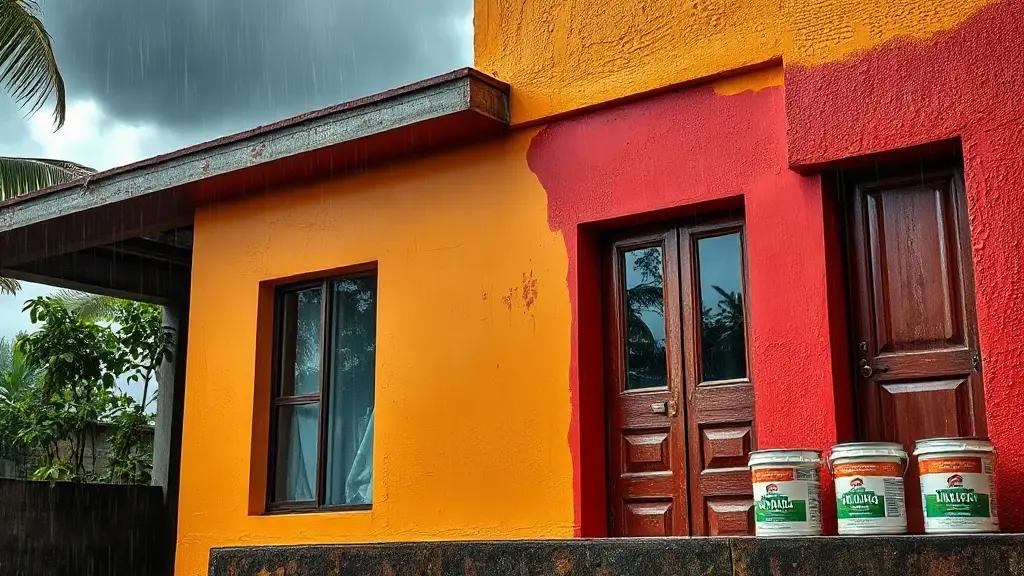
The monsoon season brings welcome relief from Tamil Nadu's scorching heat, but it also ushers in a host of challenges for homeowners and contractors alike. Heavy rainfall, rising humidity, and relentless moisture can wreak havoc on walls, wooden surfaces, and exteriors — often causing peeling paint, seepage, and stubborn dampness. Whether you own a home in Chennai, Coimbatore, Madurai, or a smaller town across the state, being proactive about your property's upkeep before and during the monsoon can save you significant repair costs. Here is everything you need to know to keep your home looking great and structurally sound throughout the rainy season.
Why Monsoon Moisture Is Your Walls' Worst Enemy
When rainwater seeps into walls — especially older or poorly plastered ones — it creates the perfect environment for efflorescence, mould growth, and paint failure. Cracks in the plaster act as entry points for moisture, causing bubbling and flaking on interior as well as exterior surfaces. Homeowners often notice discolouration and chalky patches appearing soon after the first heavy showers hit.
The smartest first step before the rains arrive is to apply a high-quality wall putty to fill any hairline cracks or uneven patches on your interior walls. A smooth, well-prepared surface not only improves paint adhesion dramatically but also forms the first line of defence against moisture penetration. Think of wall putty as the foundation that determines how long your paint job will actually last.
Protecting Your Home's Exterior During Heavy Rains
Exterior walls in Tamil Nadu face a double threat during the monsoon — intense rainfall combined with high humidity levels that can linger for weeks. Without adequate protection, even freshly painted exteriors can begin to show signs of dampness and algae growth within a single season. This is where choosing the right products makes all the difference.
Applying a premium waterproofing solution on terraces, parapet walls, and other vulnerable areas is absolutely essential before the monsoon sets in. Follow this up with a durable exterior paint that is specifically formulated to resist water, UV rays, and fungal growth. Quality exterior paints create a breathable yet water-repellent film on the wall surface, ensuring that your home's façade stays vibrant and protected even through prolonged wet weather. Always ensure surface preparation is thorough — no waterproofing coat performs well on a dirty or flaky base.
Caring for Wooden Surfaces and Adding Texture Indoors
Wood is particularly vulnerable during the monsoon as it tends to absorb moisture and expand, leading to warping, cracking, and paint peeling on doors, window frames, and furniture. Before the rains begin, inspect all wooden surfaces in your home and treat them with a reliable wood primer. A good wood primer seals the grain, prevents moisture absorption, and ensures that your topcoat bonds firmly — dramatically extending the life of the finish.
Indoors, many Tamil Nadu homeowners are also choosing texture paint for feature walls, as it adds an elegant dimension to living spaces while being more resilient than standard emulsion finishes. Texture coatings tend to hide minor surface imperfections and are easier to maintain in humid conditions. Whether you prefer a subtle sand finish or a bold geometric pattern, texture paint is a stylish and practical upgrade worth considering this monsoon season.
Frequently Asked Questions
Q: How soon before the monsoon should I waterproof my terrace or exterior walls?
Ideally, you should apply waterproofing treatments at least four to six weeks before the onset of monsoon rains. This gives the coating adequate time to cure fully and bond with the surface, ensuring maximum protection once heavy showers begin. In Tamil Nadu, it is wise to complete this work by May each year.
Q: Can I paint my interior walls during the monsoon season?
Interior painting is generally possible during the monsoon, but high humidity can slow drying times and affect paint adhesion if precautions are not taken. Ensure the room is well ventilated, use a dehumidifier if available, and opt for paints designed for humid conditions. Applying wall putty beforehand and allowing each coat to dry thoroughly will give you a far better finish.
Q: Why is my exterior paint peeling after just one monsoon season?
Premature peeling is almost always the result of inadequate surface preparation or using a low-quality paint not suited to outdoor conditions. Moisture trapped beneath a paint film — due to skipped waterproofing or poorly filled cracks — causes the film to lose adhesion. Switching to a high-performance exterior paint and completing proper surface prep, including wall putty and waterproofing, will resolve this problem long-term.
Related Products at Quality Colours
- Wall Putty — Smooth Surface Preparation for Interior Walls
- Waterproofing Solutions — Protect Terraces and Exterior Surfaces
- Exterior Paint — Weather-Resistant Finishes for Tamil Nadu Homes
- Texture Paint — Decorative and Durable Interior Wall Finishes
- Wood Primer — Moisture Protection for Doors and Wooden Surfaces
Need expert paint advice? Call or WhatsApp Quality Colours: +917418831122
Source: Breathe In The Monsoon At These Stunning Getaways Near Mumbai, India - Travel and Leisure Asia


