
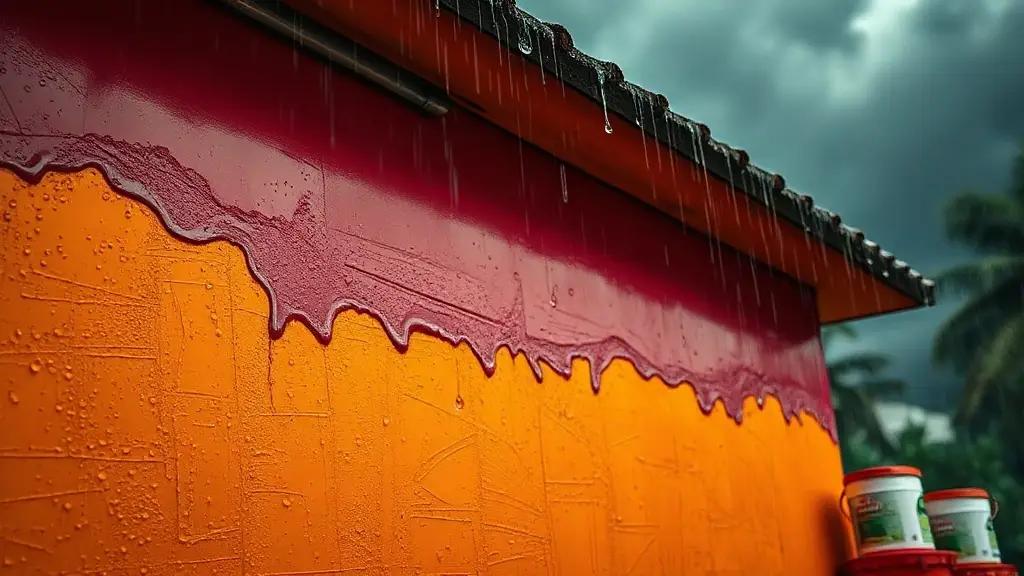
The monsoon season in Tamil Nadu brings welcome relief from the summer heat, but it also brings a wave of challenges for homeowners and contractors. Heavy rainfall, rising humidity, and persistent dampness can wreak havoc on walls, ceilings, and wooden surfaces if your home is not properly prepared. Whether you live in Chennai, Coimbatore, Madurai, or a smaller town, taking the right steps before the rains arrive can save you significant repair costs later. From sealing surface cracks to choosing the right exterior paint, a little planning goes a long way in keeping your home looking great and staying structurally sound throughout the wet season.
Seal Cracks and Resurface Walls Before the Rains Hit
One of the most overlooked pre-monsoon tasks is inspecting your interior and exterior walls for hairline cracks, peeling patches, and uneven surfaces. Even tiny cracks can allow rainwater to seep in, leading to damp patches, mould growth, and eventually structural damage. Applying a quality wall putty before painting is the smartest way to fill these imperfections and create a smooth, sealed base. A well-applied wall putty layer ensures that paint adheres properly and forms a uniform finish that resists moisture penetration during heavy downpours.
Once the surface is smooth and dry, follow up with a coat of premium exterior paint that is specifically formulated to handle Tamil Nadu's intense monsoon conditions. A good exterior paint will contain weather-resistant pigments and binders that form a tough, breathable film on the wall surface, preventing water from soaking in while still allowing trapped moisture to escape. This combination of wall putty and exterior paint is a tried-and-tested approach used by experienced contractors across the region.
Waterproof Your Roof, Terraces, and Below-Ground Areas
Rooftops and open terraces are the most vulnerable parts of any building during the monsoon. Even a small gap or a poorly finished joint can allow water to pool and eventually leak into the rooms below. Applying a dedicated waterproofing solution to your roof slab and terrace floor before the first heavy shower is one of the best investments you can make as a homeowner. Modern waterproofing products form a seamless, elastic membrane that bridges minor cracks and expands or contracts with temperature changes without losing its protective properties.
Do not neglect basement walls, sunken slabs in bathrooms, or the base of compound walls either. These areas are constantly exposed to groundwater and runoff during the rainy season. A waterproofing treatment on these surfaces will prevent dampness from travelling upward through the masonry, which is a common problem in older Tamil Nadu homes. Addressing waterproofing comprehensively — from the roof down to the foundation — gives your home a 360-degree shield against monsoon moisture.
Protect Wooden Surfaces and Add Texture for Extra Durability
Wood is highly sensitive to fluctuating humidity levels. Doors, window frames, staircases, and wooden furniture can swell, warp, or develop fungal growth when exposed to prolonged moisture without adequate protection. Before the monsoon sets in, sand down any wooden surfaces that show signs of previous paint peeling or roughness, and apply a quality wood primer. A good wood primer penetrates the grain, seals the pores, and creates a stable base for the topcoat, dramatically extending the life of painted wooden surfaces even in high-humidity conditions.
For exterior boundary walls, pillars, and feature walls that need both aesthetics and added protection, texture paint is an excellent choice. Texture paint not only gives your home a premium, designer look but also adds a thick, durable coating that is more resistant to surface weathering and water erosion than conventional flat paints. The added thickness helps mask minor surface irregularities and provides an extra barrier against driving rain — a smart dual-purpose solution for homeowners who want their property to look great while staying protected.
Frequently Asked Questions
Q: When is the best time to paint the exterior of my home in Tamil Nadu to avoid monsoon damage?The ideal window is between February and May, before the pre-monsoon showers begin. This gives the exterior paint adequate time to cure fully and bond to the surface, ensuring maximum protection once the rains arrive. If you have missed that window, wait for a dry spell during the monsoon and choose a quick-drying, weather-resistant exterior paint product.
Q: How does wall putty help protect my home during the rainy season?Wall putty fills surface cracks, pinholes, and uneven patches on your walls, creating a smooth and sealed base layer. Without putty, these tiny gaps can allow water to seep behind the paint film, causing bubbling, peeling, and damp stains. Applying putty before painting significantly improves water resistance and extends the life of your paint job.
Q: Is waterproofing a one-time treatment or does it need to be reapplied every year?Most premium waterproofing products offer protection for three to five years, depending on the quality of application and the level of exposure. It is good practice to inspect your roof and terrace at the start of every monsoon season and touch up any areas where the waterproofing membrane may have cracked or worn away. A small annual inspection can prevent major water damage that would cost far more to repair.
Related Products at Quality Colours
- Wall Putty — Smooth, crack-free surfaces before painting
- Exterior Paint — Weather-resistant colour for Tamil Nadu homes
- Waterproofing Solutions — Protect roofs, terraces, and basements
- Texture Paint — Designer finishes with added durability
- Wood Primer — Seal and protect wooden doors, frames, and furniture
Need expert paint advice? Call or WhatsApp Quality Colours: +917418831122
Source: Monsoon Prep: 10 Tips That Will Let You Drive Safe This Rainy Season! - The Better India


