
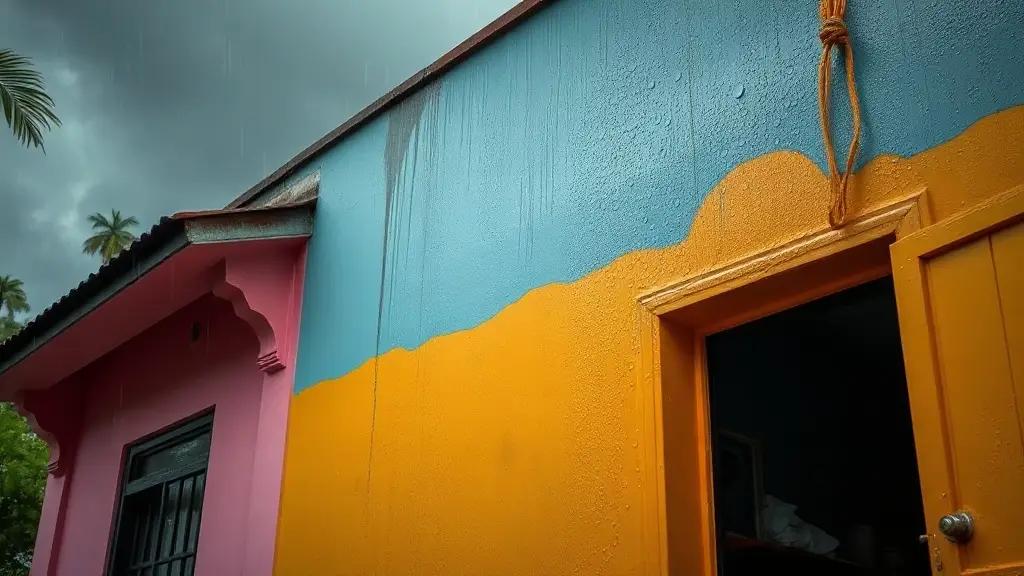
There is something deeply romantic about the Indian monsoon — the smell of wet earth, the drumming of rain on rooftops, the cool breeze sweeping through Tamil Nadu after months of scorching heat. But while we celebrate the season's arrival, our homes quietly bear the brunt of it. Seeping walls, peeling paint, damp patches, and crumbling plaster are all too common once the heavy rains set in. For homeowners and contractors across Tamil Nadu, the monsoon is not just a season to enjoy — it is a season to prepare for, and that preparation starts with the right paint and protection strategy.
How Monsoon Rainfall Damages Your Walls
When rainwater finds even the smallest crack in an exterior wall, it begins a slow process of destruction. Moisture seeps through the surface, weakens the plaster underneath, and eventually causes bubbling, flaking, and unsightly stains on interior walls as well. In Tamil Nadu, where the northeast monsoon can bring sustained, heavy downpours between October and December, this risk is especially high for older buildings and newly constructed homes with untreated surfaces.
The damage does not stop at aesthetics. Prolonged moisture exposure can compromise the structural integrity of walls, encourage mould growth, and create unhealthy living conditions. This is why investing in quality waterproofing solutions before the rains arrive is one of the smartest decisions any homeowner can make. A good waterproofing coat applied to exterior surfaces creates a barrier that keeps rainwater out while allowing the wall to breathe.
Preparing Exterior Surfaces Before the Rains Hit
Proper surface preparation is the foundation of any long-lasting paint job, and this becomes even more critical before a monsoon season. Walls that carry old, flaking paint, hairline cracks, or an uneven surface will not hold a new coat of paint effectively, regardless of how premium the product is. The right approach is to first fill and smooth the surface using a high-quality wall putty, which eliminates minor cracks and creates a uniform base that helps paint adhere better and last longer.
Once the surface is prepped and primed, applying a weather-resistant exterior paint gives your home a durable shield against rain, UV rays, and humidity. Look for formulations that offer anti-algae and anti-fungal properties, as these are especially important in the warm, humid climate of Tamil Nadu where biological growth on exterior walls is a frequent problem after the monsoon.
Interior Protection and Decorative Finishes Post-Monsoon
After the monsoon season ends, many homeowners notice interior walls looking dull, stained, or patchy from humidity-related damage. This is the ideal time to refresh indoor surfaces with a clean coat of paint or to experiment with decorative options like texture paint, which not only enhances the look of a room but also adds a layer of surface resilience. Texture finishes can help mask minor imperfections that develop over a rainy season while giving interiors a modern, premium feel.
For wooden doors, window frames, and furniture that face moisture exposure during the rains, applying a good wood primer before the monsoon begins is strongly recommended. Wood is particularly vulnerable to swelling, warping, and rot when exposed to repeated wet and dry cycles. A quality primer seals the wood grain, improves paint adhesion, and extends the life of your wooden fixtures significantly through multiple monsoon seasons.
Frequently Asked Questions
Q: Can I paint my exterior walls during the monsoon season in Tamil Nadu?
It is generally not advisable to paint exterior walls during active rainfall, as moisture on the surface prevents paint from bonding correctly and leads to premature peeling. Ideally, exterior painting should be completed at least two to three weeks before the expected onset of the monsoon, or done during a dry spell within the season when surfaces have had adequate time to dry out.
Q: What is the best way to stop rainwater from seeping through my walls?
The most effective approach is a combination of surface preparation and waterproofing treatment. Start by repairing any visible cracks with wall putty, then apply a dedicated waterproofing coat to all exterior surfaces. Follow this up with a high-quality exterior paint that offers weather resistance. This layered system creates multiple lines of defence against water ingress and is far more effective than paint alone.
Q: How often should I repaint the exterior of my home in Tamil Nadu?
Given Tamil Nadu's climate — with intense summer heat followed by a heavy monsoon — exterior paint typically needs refreshing every three to five years, depending on the quality of the products used and the condition of the original surface preparation. Homes in coastal areas or those exposed to particularly heavy rainfall may require attention more frequently. Regular inspection after each monsoon season helps catch deterioration early before it becomes a costly repair.
Related Products at Quality Colours
- Waterproofing Solutions — Keep rainwater permanently out of your walls
- Exterior Paint — Weather-resistant finishes built for Tamil Nadu's climate
- Wall Putty — Smooth, crack-free surfaces before every paint job
- Texture Paint — Decorative and durable interior finishes
- Wood Primer — Essential protection for doors, frames, and wooden furniture
Need expert paint advice? Call or WhatsApp Quality Colours: +917418831122
Source: Of all the seasons, why we love to romance the monsoon - dailyo.in


