
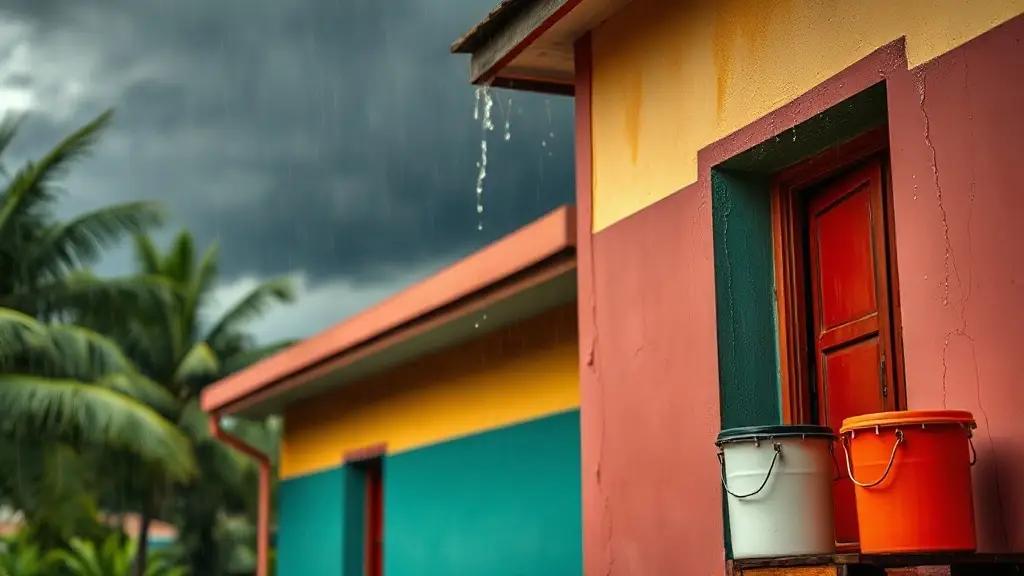
The monsoon season in Tamil Nadu brings much-needed relief from the scorching heat, but it also introduces a host of challenges for homeowners and contractors alike. Heavy rainfall, rising humidity, and waterlogging can wreak havoc on your building's exterior walls, roof surfaces, and wooden fixtures. Just as drivers prepare their vehicles before the rains hit, homeowners must take proactive steps to safeguard their property. A little preparation before the season begins can save you thousands of rupees in repair costs and keep your home looking fresh and well-maintained throughout the wet months.
Protect Your Exterior Walls from Monsoon Damage
One of the biggest threats the monsoon poses to any home in Tamil Nadu is seepage through exterior walls. Constant exposure to rain causes paint to blister, peel, and crack, allowing moisture to penetrate deep into the masonry. This not only ruins the appearance of your home but can also weaken the structural integrity over time. Applying a high-quality exterior paint that is specifically formulated for tropical and coastal climates creates a strong barrier against rain, UV rays, and fungal growth. Look for paints with water-repellent additives that keep walls dry even during heavy downpours.
Before applying any topcoat, ensure your walls are properly prepped. Uneven surfaces or hairline cracks allow water to seep behind the paint film. Filling those imperfections with a good-quality wall putty levels the surface, improves adhesion, and dramatically extends the life of your exterior paint. Skipping this step is one of the most common mistakes homeowners make, and it shows up quickly once the rains begin.
Waterproofing Your Roof and Terrace
Rooftops and terraces are the first point of contact with monsoon rainfall, making waterproofing an absolute priority before the season sets in. Cracks in the roof slab, blocked drainage channels, and aging waterproof coatings are all common culprits behind ceiling dampness and water stains on interior walls. A premium waterproofing solution applied to your terrace can prevent water from seeping through the slab and damaging the rooms below. In Tamil Nadu, where the northeast monsoon can bring prolonged and intense rainfall, this protection is not optional — it is essential.
It is advisable to inspect your roof at least a month before the monsoon begins. Clear debris from drainage outlets, check for any new cracks, and reapply waterproofing treatments to areas that appear worn or compromised. A professional application of a flexible waterproofing membrane ensures full coverage and long-lasting performance, giving you peace of mind through the wettest months of the year.
Safeguard Wooden Surfaces and Add Decorative Finishes
Wood is highly susceptible to moisture damage during the monsoon. Doors, window frames, and wooden furniture can swell, warp, or develop fungal stains when exposed to persistent humidity. Applying a quality wood primer before the rains arrive forms a protective seal that prevents moisture absorption and keeps wood in good condition throughout the season. This is especially important for exterior wooden elements that are directly exposed to rain and splashing water.
Beyond protection, many homeowners in Tamil Nadu also use the pre-monsoon period to refresh interior walls with stylish texture paint finishes. Textured surfaces not only add depth and character to living spaces but also provide an additional layer of protection against minor surface moisture. Whether you prefer a subtle sand finish or a bold pattern, texture paint is a practical and visually appealing upgrade that stands up well to the humidity that accompanies the monsoon season.
Frequently Asked Questions
Q: How early before the monsoon should I apply waterproofing to my roof?
Ideally, waterproofing should be applied at least four to six weeks before the monsoon season begins. This allows sufficient curing time and ensures the coating has bonded fully with the surface before heavy rains arrive. In Tamil Nadu, this means planning your waterproofing project by September ahead of the northeast monsoon.
Q: Can I apply exterior paint during the monsoon season?
It is generally not recommended to apply exterior paint during active rainfall or in very high humidity conditions, as moisture interferes with adhesion and drying. However, if you missed the pre-monsoon window, you can still paint on dry, overcast days when humidity is relatively lower. Always consult your paint supplier for guidance on application conditions specific to the product you are using.
Q: What is the difference between wall putty and waterproofing?
Wall putty is a surface preparation material that smoothens walls, fills minor cracks, and improves the adhesion and finish of paint. Waterproofing, on the other hand, is a dedicated protective coating applied to roofs, terraces, and sometimes exterior walls to prevent water penetration into the structure. Both serve different but complementary roles in protecting your home during the monsoon season.
Related Products at Quality Colours
- Exterior Paint – Weather-resistant coatings for Tamil Nadu homes
- Waterproofing Solutions – Roof and terrace protection before the monsoon
- Wall Putty – Surface levelling for a flawless, long-lasting finish
- Texture Paint – Decorative and protective interior finishes
- Wood Primer – Moisture protection for doors, frames, and wooden surfaces
Need expert paint advice? Call or WhatsApp Quality Colours: +917418831122
Source: Driving in the Rains? These 10 Monsoon Tips Could Save Your Car And You - NDTV


