
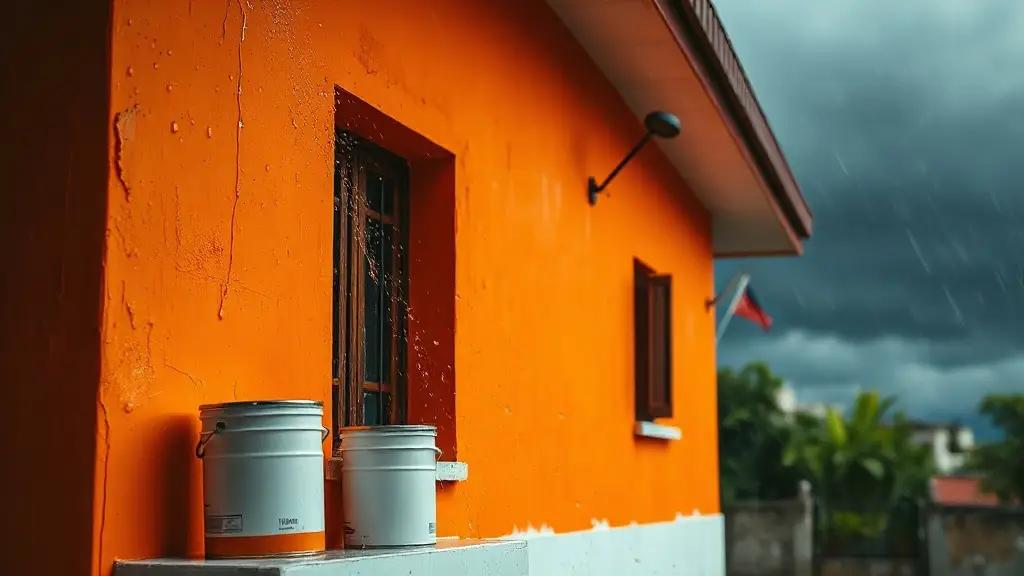
Every year, Tamil Nadu homeowners brace themselves as the northeast and southwest monsoons roll in, bringing heavy downpours that test the durability of walls, rooftops, and exteriors. While most people focus on protecting their vehicles during the rains, your home deserves equal — if not greater — attention. Water seepage, peeling paint, damp walls, and crumbling plaster are all too common after a few weeks of relentless rain. Taking proactive steps before and during the monsoon can save you thousands of rupees in repairs and keep your home looking fresh and structurally sound throughout the wet season.
Why Monsoon Moisture Is Your Home's Biggest Enemy
When rainwater repeatedly strikes your exterior walls, it gradually penetrates micro-cracks in the plaster and paint surface. Over time, this moisture works its way deeper into the masonry, causing efflorescence — the white chalky deposits you often see after the rains — as well as bubbling, flaking, and eventually structural weakening. In Tamil Nadu's coastal and delta regions, the combination of high humidity and heavy rainfall makes this problem even more severe than in drier parts of India.
One of the most effective ways to combat this is to apply a high-quality waterproofing solution to your terrace, external walls, and any areas prone to water pooling before the monsoon begins. A good waterproofing coat creates an invisible barrier that repels rainwater while still allowing the wall to breathe, preventing moisture from getting trapped inside the masonry.
Preparing Your Walls Before the Rains Arrive
If you notice hairline cracks or an uneven surface on your interior walls, addressing them before the monsoon is critical. Applying a smooth coat of wall putty fills these micro-cracks and creates a uniform base, stopping water from finding easy entry points. Once the putty has cured properly, finishing with a premium exterior paint that carries weather-resistance and anti-algae properties will give your walls an additional layer of defence against the relentless Tamil Nadu rains. Look for paints with UV-resistant and fungal-resistant formulations specifically designed for high-humidity climates.
Do not overlook your wooden doors, window frames, and furniture either. Wood is highly susceptible to swelling, warping, and rotting when exposed to continuous moisture. Applying a quality wood primer before the season begins seals the wood grain, prevents moisture absorption, and extends the life of your topcoat significantly. This one step can dramatically reduce the cracking and peeling you might otherwise notice on wooden surfaces by October.
Monsoon Maintenance Tips During and After the Rainy Season
Once the rains are in full swing, keep a close eye on your drainage systems — blocked gutters and downpipes force water to overflow against your walls, accelerating damage. Regularly clear leaves and debris from your terrace drain outlets. If you spot any new damp patches forming inside your home, mark them carefully and address them as soon as there is a dry spell, because leaving moisture untreated encourages mould and mildew growth that can be hazardous to your family's health.
After the monsoon season winds down, consider refreshing your exterior with a texture paint finish. Texture paints not only give your home a stylish, contemporary look but also add a thick protective layer that is far more resistant to water infiltration than standard flat paints. Their rough surface also helps shed water efficiently, reducing the contact time between rain and your walls. Investing in a post-monsoon repaint is far more economical than undertaking structural repairs caused by years of ignored water damage.
Frequently Asked Questions
Q: When is the best time to waterproof my home in Tamil Nadu?
Ideally, you should waterproof your terrace and exterior walls at least four to six weeks before the onset of the monsoon — typically between April and May for the southwest monsoon. This gives coatings adequate time to cure fully and bond to the surface before heavy rains arrive.
Q: Can I apply exterior paint or wall putty during the rainy season?
It is not recommended to apply paint or wall putty during active rainfall or when surfaces are damp, as moisture prevents proper adhesion and curing. Wait for a dry spell of at least two to three consecutive days with low humidity before applying any coating. If repairs are urgent, use specially formulated monsoon-grade products designed for slightly damp conditions.
Q: How does texture paint help during the monsoon?
Texture paint forms a thick, porous-free film on exterior walls that actively repels water rather than absorbing it. The textured surface helps rainwater run off quickly rather than settling on the wall face. Many texture paints also contain anti-fungal and anti-algae additives that prevent the green and black staining commonly seen on Tamil Nadu homes after prolonged rainfall.
Related Products at Quality Colours
- Waterproofing Solutions — Terrace & Wall Protection
- Exterior Paint — Weather-Resistant Finishes
- Wall Putty — Smooth Base Coat for Interior & Exterior
- Texture Paint — Decorative & Protective Wall Finishes
- Wood Primer — Monsoon Protection for Wooden Surfaces
Need expert paint advice? Call or WhatsApp Quality Colours: +917418831122


