
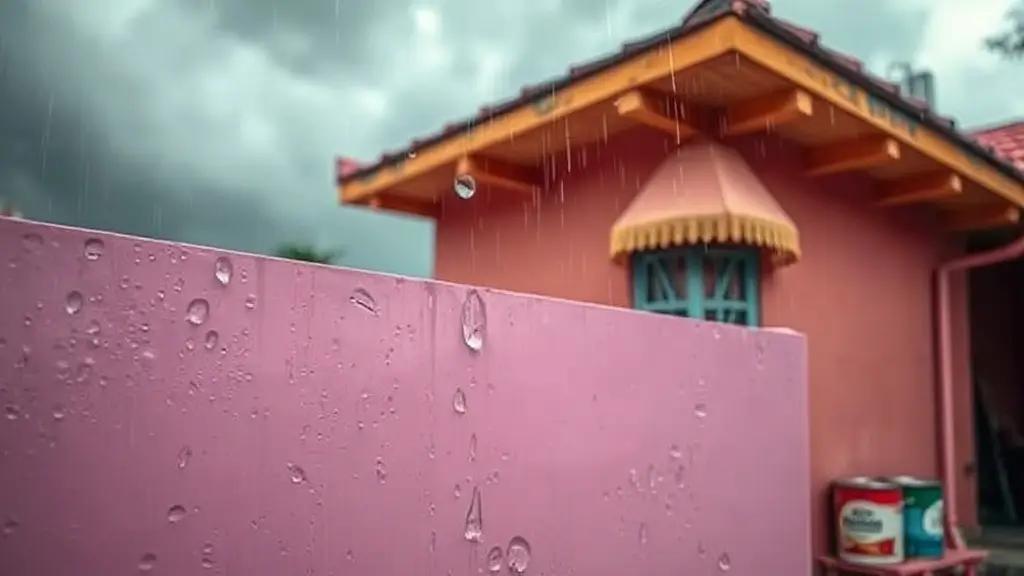
Every year, as the northeast and southwest monsoons sweep across Tamil Nadu, homeowners and contractors face a familiar challenge — protecting buildings from relentless rain, humidity, and flooding. While most people focus on waterproofing their rooftops or fixing leaks, the walls, wooden surfaces, and exterior finishes of a home are equally vulnerable. Taking the right precautions before the rains arrive can save you thousands of rupees in repair costs and keep your home looking fresh long after the clouds have cleared.
Why Monsoon Rains Damage Your Home's Walls
Heavy and continuous rainfall creates conditions where moisture seeps into even the smallest cracks in your walls. Over time, this trapped water causes paint to bubble, peel, and flake. Damp walls also become breeding grounds for fungus and mildew, which not only look unsightly but can also compromise the structural integrity of your plaster. In coastal and low-lying areas of Tamil Nadu — such as Chennai, Nagapattinam, and Cuddalore — this problem is especially severe due to high salinity in the air combined with torrential rain.
One highly effective solution is applying a good quality wall putty before painting. Wall putty fills micro-cracks and creates a smooth, sealed base that prevents water from penetrating the surface. When used as a preparatory coat beneath your topcoat, it dramatically extends the life of your paint job and keeps walls dry from the inside out.
Choosing the Right Exterior Paint for Wet Weather
Not all paints are built for the punishing Tamil Nadu monsoon. Standard interior emulsions applied on exterior walls will fail quickly when exposed to prolonged rain and direct sunlight. Instead, homeowners and contractors should invest in a premium exterior paint that is specifically formulated with weather-resistant, anti-algae, and UV-protective properties. These paints form a flexible film on the surface that expands and contracts with temperature changes, preventing cracks from forming.
Before applying exterior paint, it is equally important to treat the surface with a proper waterproofing solution, especially on flat terraces, parapet walls, and areas prone to water stagnation. A waterproofing coat acts as the first line of defence against rain, blocking moisture at the surface level before it can reach the substrate. This two-step approach — waterproofing followed by high-quality exterior paint — is the professional standard recommended for buildings in Tamil Nadu's climate.
Protecting Wooden Surfaces and Adding Texture During Monsoon Prep
Wooden doors, window frames, and railings suffer tremendously during the rainy season. Moisture causes wood to swell, warp, and eventually rot if left unprotected. Applying a reliable wood primer before the monsoon arrives seals the wood grain and creates a moisture-resistant barrier. This not only protects the wood structurally but also ensures that your topcoat of paint adheres properly and lasts much longer, reducing the need for frequent repainting.
For homeowners looking to refresh their interiors during the pre-monsoon period, texture paint is an excellent choice for feature walls and accent areas. Modern texture paints are formulated to be washable and resistant to humidity, making them practical for Tamil Nadu's high-moisture environment. They also add a decorative dimension to your interiors that flat emulsions simply cannot achieve. Whether you prefer a sandy finish, a stucco effect, or a contemporary pattern, texture paint can transform a room while standing up to the damp conditions that come with the season.
Frequently Asked Questions
Q: How soon before the monsoon should I apply waterproofing to my terrace?Ideally, you should apply a waterproofing treatment at least four to six weeks before the monsoon season begins. This gives the coating enough time to cure fully and bond properly with the surface, ensuring maximum protection when the rains arrive.
Q: Can I paint my exterior walls during the monsoon season in Tamil Nadu?It is generally not recommended to apply exterior paint during active rainfall or in very high humidity conditions, as the moisture in the air prevents proper adhesion and drying. If painting is unavoidable, choose dry spells between rain showers and use paints specifically designed for humid climates.
Q: Is wall putty necessary if I am using a premium exterior paint?Yes, wall putty is still important even when using a top-grade exterior paint. Putty fills surface imperfections and creates a uniform base that improves paint adhesion and finish. Skipping putty can result in an uneven appearance and shorter paint life, regardless of the quality of the topcoat.
Related Products at Quality Colours
- Wall Putty – Smooth Base Coats for Flawless Walls
- Exterior Paint – Weather-Resistant Finishes for Tamil Nadu Homes
- Waterproofing Solutions – Protect Your Terrace and Walls
- Texture Paint – Decorative and Humidity-Resistant Wall Finishes
- Wood Primer – Monsoon Protection for Wooden Surfaces
Need expert paint advice? Call or WhatsApp Quality Colours: +917418831122
Source: Common Car Issues in Monsoon: How to Prepare and Protect Your Vehicle - Indian Autos Blog


