
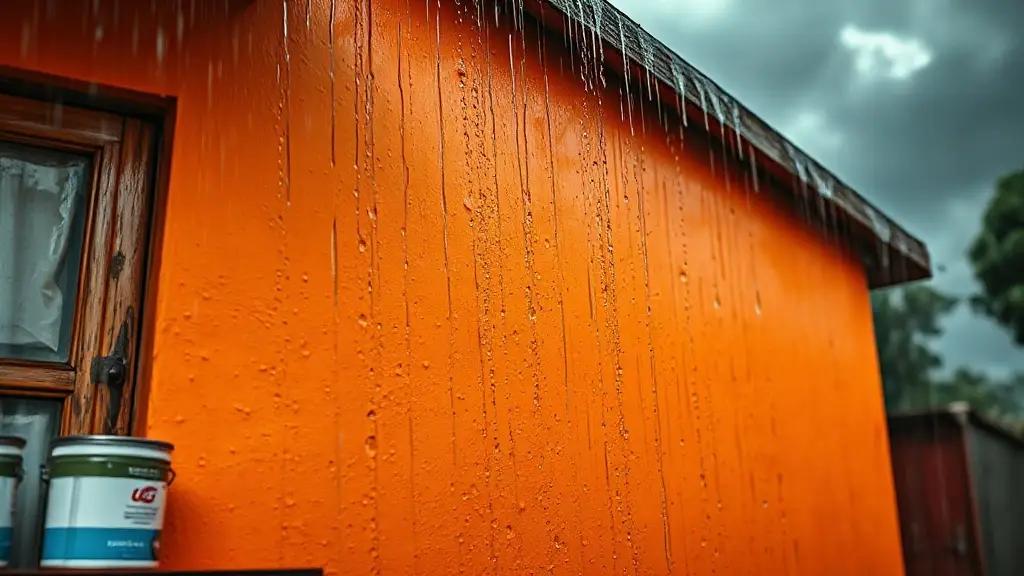
Every year, the monsoon season arrives in Tamil Nadu with heavy downpours, strong winds, and relentless humidity — and while most homeowners focus on road safety during this period, it is equally important to think about protecting your biggest investment: your home. From seeping walls to peeling paint and dampness creeping through ceilings, the rainy season can cause serious structural damage if your home is not properly prepared. Whether you own a standalone house in Coimbatore or manage a residential complex in Chennai, taking a few preventive steps before the rains set in can save you thousands in repair costs later.
Why Monsoons Are Tough on Your Walls
Tamil Nadu experiences both the southwest and northeast monsoons, meaning walls are exposed to prolonged moisture for months at a stretch. Water penetrates through tiny surface cracks, poorly sealed joints, and low-quality paint films, leading to efflorescence, bubbling, and mould growth. Interior walls suffer too — rising damp from the ground and condensation from humidity can cause paint to flake and surfaces to deteriorate quickly.
The first line of defence is ensuring your exterior walls are properly sealed before the rains arrive. Applying a premium quality wall putty fills hairline cracks and creates a smooth, even base that resists moisture absorption. Following that up with a high-performance exterior paint with weather-resistant properties gives your walls a durable shield against rain, UV rays, and temperature fluctuations throughout the season.
Waterproofing: The Most Important Monsoon Upgrade
If you have ever noticed dark patches on your ceiling after a spell of rain, or felt moisture on interior walls during a downpour, your home urgently needs waterproofing attention. Terraces, parapets, bathrooms, and basement walls are the most vulnerable spots. A proper waterproofing solution, applied systematically across these areas, creates an impermeable barrier that prevents water ingress at the source rather than just masking the symptoms.
Contractors in Tamil Nadu often recommend a combination approach — waterproofing membrane for flat terraces, followed by a topcoat to protect the membrane from UV degradation. For below-grade surfaces or wet areas inside the home, crystalline or cementitious waterproofing compounds are highly effective. Getting this done before the first showers is critical, as applying waterproofing treatments to already-wet surfaces significantly reduces their effectiveness and longevity.
Finishing Touches That Add Beauty and Protection
Once structural protection is in place, monsoon season is actually a great time to think about aesthetic upgrades as well. Modern texture paint not only adds a distinctive look to accent walls but also provides an additional layer of protection against moisture and minor surface abrasions. For wooden doors, window frames, and furniture exposed to damp conditions, applying a quality wood primer before any topcoat ensures the wood fibres are sealed against swelling, warping, and fungal attack caused by excess moisture.
These finishing products do double duty — they enhance the visual appeal of your interiors and exteriors while also reinforcing your home's defences during the harshest weather months. Choosing the right product for each surface type makes a significant difference in how long your paintwork lasts between maintenance cycles, ultimately reducing your overall upkeep costs year after year.
Frequently Asked Questions
Q: When is the best time to paint my home's exterior in Tamil Nadu?
Ideally, exterior painting should be completed at least two to three weeks before the monsoon season begins. This allows adequate drying and curing time for the paint film to fully harden. If painting during the rainy season is unavoidable, choose a dry spell with low humidity and ensure surfaces are completely dry before application.
Q: How do I know if my home needs waterproofing before the monsoons?
Watch for warning signs such as damp patches on ceilings or walls, peeling paint near the roof line, white powdery deposits (efflorescence) on exterior walls, or musty smells indoors after rain. Any of these indicate moisture is already entering your structure, and professional waterproofing treatment should be applied as soon as possible.
Q: Can texture paint be used on exterior walls in rainy regions?
Yes, many exterior-grade texture paints are specifically formulated to withstand heavy rainfall and humidity. They create a thicker, more textured surface that can bridge minor cracks and repel water more effectively than standard smooth finishes. Always confirm with your paint supplier that the product is rated for exterior and wet-climate use before application.
Related Products at Quality Colours
- Wall Putty — Smooth base coat for crack-free, moisture-resistant walls
- Exterior Paint — Weather-shield formulas for Tamil Nadu's harsh monsoons
- Waterproofing Solutions — Protect terraces, roofs, and wet areas effectively
- Texture Paint — Decorative and protective finishes for interior and exterior surfaces
- Wood Primer — Seal and protect wooden surfaces against moisture and rot
Need expert paint advice? Call or WhatsApp Quality Colours: +917418831122
Source: Safe driving with Hyundai | Essential tips for the monsoons - EVO India


