
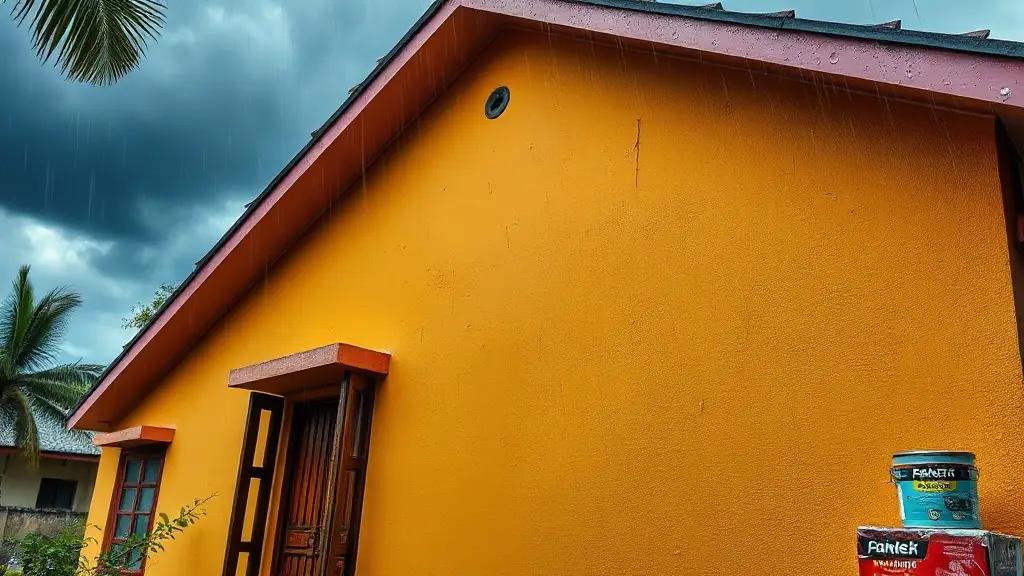
The monsoon season in Tamil Nadu brings much-needed relief from the scorching heat, but it also brings a host of challenges for homeowners and contractors. Heavy rainfall, rising humidity, and persistent dampness can wreak havoc on your walls — causing peeling paint, seepage, and unsightly stains. Whether you are maintaining an older property or finishing a brand-new construction, understanding how to protect your home during the rainy season is essential. At Quality Colours Paint Shop, we help homeowners and contractors across Tamil Nadu make the smartest paint choices every season, especially when the rains arrive.
Why Monsoon is the Toughest Season for Your Walls
During the rainy months, moisture seeps into wall surfaces through hairline cracks, poorly sealed joints, and untreated masonry. This trapped moisture leads to bubbling, flaking, and fungal growth on both interior and exterior surfaces. Walls that were painted without proper surface preparation are especially vulnerable, as moisture exploits every tiny imperfection beneath the paint film.
One of the most effective ways to prevent this damage is to apply a quality wall putty before painting. Wall putty fills micro-cracks, creates a smooth base, and significantly reduces moisture absorption in the surface layer — giving your topcoat a much stronger foundation to adhere to, even under wet and humid conditions.
Choosing the Right Exterior Paint for Monsoon Protection
Not all paints are created equal when it comes to handling torrential rain and high humidity. For exterior surfaces, it is critical to choose a paint that offers excellent water resistance, UV stability, and breathability. A high-quality exterior paint with anti-algae and anti-fungal properties will keep your outer walls looking fresh and clean throughout the rainy season and beyond. Look for formulations that allow trapped moisture to escape while preventing fresh water from penetrating the surface.
Additionally, for roofs, terraces, and areas that are directly exposed to standing water or heavy run-off, applying a dedicated waterproofing coating before painting is a non-negotiable step. Waterproofing solutions create a seamless, flexible barrier that blocks water ingress at the source — protecting your structural walls from long-term damage caused by repeated wet-dry cycles during the monsoon.
Preparing Wooden Surfaces and Adding Texture Before the Rains
Wooden doors, window frames, and furniture are particularly susceptible to swelling, warping, and rotting during the monsoon season. Applying a reliable wood primer before the rains set in creates a protective seal on the wood surface, preventing moisture absorption and extending the life of your wooden fixtures considerably. Skipping this step is one of the most common — and most costly — mistakes homeowners make before the rainy season.
For interior walls that need both visual appeal and added durability, texture paint is an excellent choice. Modern texture paint formulations are designed to be washable and moisture-resistant, making them ideal for areas prone to splashes or condensation. Beyond protection, texture paint adds a unique decorative dimension to your living spaces, giving your home a premium finish that stands out even in the humidity of a Tamil Nadu monsoon.
Frequently Asked Questions
Q: Should I paint my house just before or after the monsoon in Tamil Nadu?
It is generally advisable to complete exterior painting either before the monsoon begins or after it fully subsides. Painting during heavy rain leads to poor adhesion and uneven drying. If painting during the season is unavoidable, choose a dry spell of at least two to three consecutive days and use a fast-drying, moisture-resistant exterior paint for best results.
Q: How does waterproofing differ from regular exterior paint?
Regular exterior paint primarily provides colour, aesthetics, and a degree of weather resistance. Waterproofing coatings, on the other hand, are engineered specifically to block water penetration at a structural level. They are thicker, more flexible, and designed to bridge minor cracks — making them essential for terraces, parapets, and water-exposed walls before any decorative paint is applied.
Q: Is wall putty necessary if my walls already look smooth?
Yes, wall putty is recommended even for apparently smooth walls. Over time, walls develop micro-pores and hairline cracks that are invisible to the naked eye but allow moisture to seep in. Wall putty seals these imperfections, improves paint adhesion, and ensures a longer-lasting, more uniform finish — which is especially important in the humid climate of Tamil Nadu.
Related Products at Quality Colours
- Wall Putty — Smooth Base for Long-Lasting Paint
- Exterior Paint — Weather-Resistant Colours for Tamil Nadu Homes
- Waterproofing Solutions — Stop Seepage at the Source
- Texture Paint — Durable Decorative Finishes for Every Wall
- Wood Primer — Protect Doors and Frames Before the Rains
Need expert paint advice? Call or WhatsApp Quality Colours: +917418831122
Source: Weight loss: 5 monsoon diet tips to shed kilos - The Times of India


