
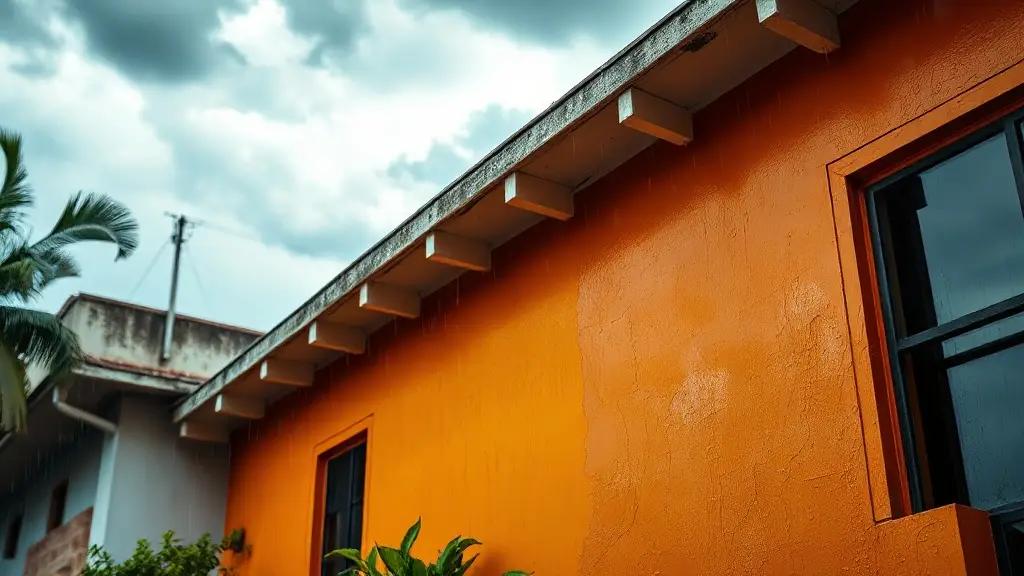
The monsoon season in Tamil Nadu brings welcome relief from the scorching heat, but it also brings a serious challenge for homeowners and contractors alike — moisture damage to walls, ceilings, and wooden surfaces. Heavy rainfall, high humidity, and water seepage can strip away paint, cause unsightly peeling, and lead to long-term structural problems if left unaddressed. Whether you are maintaining an existing home or working on a new construction project, understanding how to protect your property during the rainy season is absolutely essential. Here is everything you need to know to keep your walls looking fresh and sturdy through the monsoon months.
Why Monsoon Weather is Hard on Your Walls
When rain-soaked winds and rising damp work together, even well-painted walls can start to blister, crack, or develop fungal patches within just a few weeks. Tamil Nadu's coastal and inland regions both experience high moisture levels during the June–November period, making walls especially vulnerable. Water infiltrates tiny hairline cracks, expands inside the masonry, and breaks the bond between the paint film and the wall surface. The result is bubbling, flaking, and unsightly stains that are costly to repair.
This is why surface preparation matters more than people realise. Before applying any finish coat, filling surface imperfections with a good-quality wall putty creates a smooth, sealed base that resists moisture penetration. A properly puttied wall gives paint something solid to grip, dramatically extending the life of your paint job even through relentless monsoon downpours.
Choosing the Right Paint for Monsoon Protection
Not all paints are created equal, and the monsoon season demands products specifically engineered for wet conditions. For outdoor surfaces such as compound walls, façades, and boundary structures, switching to a premium exterior paint with anti-algae and water-repellent properties is a smart investment. These paints form a tough, flexible film that can handle thermal expansion and moisture without cracking.
For rooftops, terraces, and bathroom or kitchen walls where water contact is constant, a dedicated waterproofing solution applied beneath the top coat adds a critical extra layer of defence. This is particularly important in older Tamil Nadu homes where the masonry has already absorbed years of rain. Contractors should plan waterproofing treatments at the beginning of any renovation project — not as an afterthought — to ensure maximum adhesion and coverage.
Protecting Wooden Surfaces and Decorative Finishes During Rains
Wood is especially susceptible to monsoon damage. Doors, window frames, cabinets, and furniture can absorb moisture, swell, warp, and develop mould if they are not properly sealed before the rains arrive. Applying a high-quality wood primer creates a moisture-resistant barrier that penetrates the grain and prevents swelling, making subsequent top coats last significantly longer. Homeowners who skip priming often find their woodwork deteriorating within a single monsoon season.
Decorative texture paint on interior accent walls can also be a smart monsoon choice — its layered, thick application naturally resists dampness better than thin flat paints, and it adds an aesthetic dimension to living spaces at the same time. Just ensure the walls are fully dry and primed before application, especially during the humid months when drying times can extend considerably.
Frequently Asked Questions
Q: Can I paint my exterior walls during the monsoon season in Tamil Nadu?
It is generally advisable to avoid painting exterior walls during active rainfall or very high humidity, as moisture prevents proper adhesion and curing. If painting cannot be delayed, choose dry spells between showers, ensure surfaces are completely dry, and use a fast-curing exterior paint formulated for humid conditions. Always apply a wall putty base and allow each coat adequate drying time.
Q: How can I stop my walls from developing green algae and black mould patches during the rains?
Algae and mould thrive on damp, porous surfaces. The best prevention is a two-step approach: first, apply a waterproofing treatment to seal the wall, and then finish with an exterior paint that contains built-in anti-fungal and anti-algae additives. Existing patches should be scrubbed away with a diluted bleach solution and allowed to dry thoroughly before repainting.
Q: Does wood primer really make a difference for doors and window frames during monsoon?
Absolutely. Wood primer penetrates deep into the wood fibres, sealing out moisture and creating a stable surface for the top coat to adhere to. Without a primer, paint sits on the surface and peels away quickly when wood swells from moisture absorption. A good primer can effectively double the lifespan of your wood finish through wet seasons.
Related Products at Quality Colours
- Wall Putty — Smooth base coat for monsoon-ready walls
- Exterior Paint — Weather-resistant finish for Tamil Nadu homes
- Waterproofing Solutions — Protect roofs, terraces, and wet areas
- Texture Paint — Decorative and moisture-resistant interior finishes
- Wood Primer — Essential protection for doors and window frames
Need expert paint advice? Call or WhatsApp Quality Colours: +917418831122
Source: Monsoon Content Ideas for Creators & Influencers - The Bridge Chronicle


