
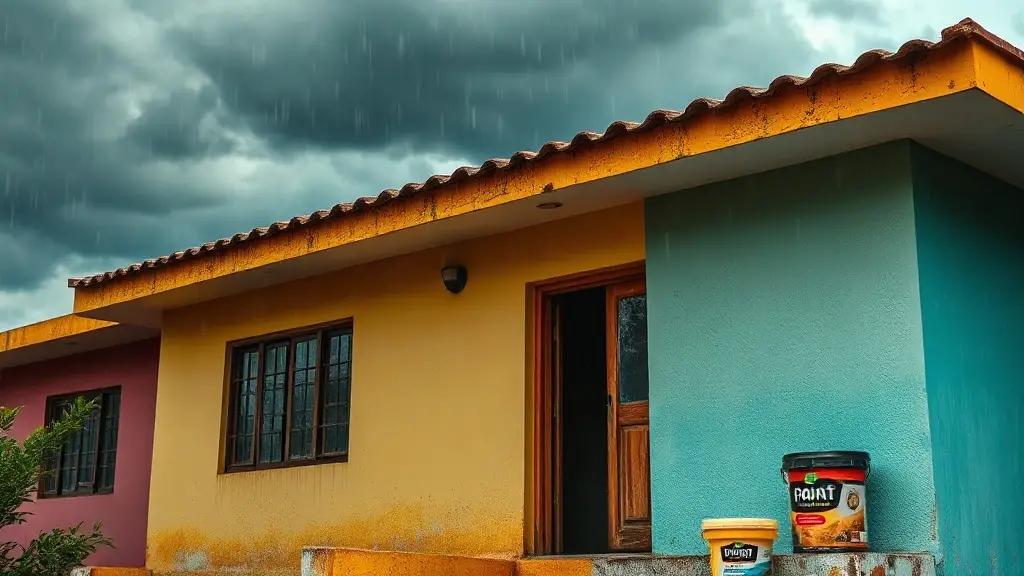
The monsoon season brings welcome relief from the scorching Tamil Nadu heat, but it also unleashes a fresh wave of challenges for homeowners and contractors alike. Heavy rainfall, rising humidity, and persistent dampness can wreak havoc on interior and exterior surfaces, causing paint to peel, walls to develop cracks, and moisture to seep deep into the structure of your home. Whether you are maintaining a villa in Coimbatore or managing a residential project in Chennai, understanding how to prepare and protect your property before and during the rains can save you significant time, money, and stress in the long run.
Shield Your Exterior Walls Before the Rains Arrive
The single most effective thing you can do ahead of the monsoon is to inspect and reinforce your exterior surfaces. Hairline cracks and porous wall finishes act as entry points for rainwater, leading to seepage and structural damage over time. Applying a premium quality exterior paint with weather-resistant and water-repellent properties forms a protective barrier that keeps moisture at bay. Look for formulations that offer anti-algae and anti-fungal protection, since Tamil Nadu's warm, humid climate creates ideal conditions for mould and algae growth on outer walls.
Before applying any topcoat, ensure that surface preparation is thorough. Filling gaps and levelling uneven patches with a good wall putty creates a smooth, stable base that improves both adhesion and durability of the paint. Skipping this step often leads to premature flaking and bubbling once the rains begin, so it is worth taking the time to do it properly.
Waterproofing Is Non-Negotiable for Tamil Nadu Buildings
Flat rooftops, parapet walls, bathrooms, and basement areas are the most vulnerable spots during heavy downpours. A dedicated waterproofing treatment on these surfaces is not an optional upgrade — it is essential maintenance for any home or commercial building in the region. Modern waterproofing solutions form a seamless, flexible membrane that bridges minor cracks and expands or contracts with the building structure without losing its protective quality. When applied correctly by a trained professional, waterproofing can significantly extend the lifespan of your walls and ceilings while reducing the risk of expensive repair work later.
It is advisable to schedule waterproofing work at least four to six weeks before the onset of the monsoon so that the treatment has adequate time to cure fully. Attempting to apply waterproofing on damp or wet surfaces will compromise its effectiveness, so plan ahead and monitor the weather forecast carefully if you are working during the pre-monsoon transition period.
Refresh Interiors With Moisture-Resistant Finishes
Indoors, the rising humidity during the monsoon can cause conventional emulsion paints to lose their sheen, develop patches, or start peeling along walls in kitchens, bathrooms, and rooms with poor ventilation. Opting for a texture paint on feature walls adds a decorative dimension while also providing a thicker, more robust surface that stands up to condensation and humidity better than standard flat finishes. Textured coatings trap less moisture against the wall surface and are generally easier to clean and maintain through the wet season.
For wooden doors, window frames, and furniture exposed to monsoon humidity, applying a quality wood primer before the topcoat is crucial. Wood is highly susceptible to swelling, warping, and rotting when moisture penetrates untreated surfaces. A good wood primer seals the grain, prevents moisture absorption, and ensures that the final paint or varnish bonds firmly for a longer-lasting, more attractive finish even in the most humid conditions Tamil Nadu's rainy season can produce.
Frequently Asked Questions
Q: Can I paint my exterior walls during the Tamil Nadu monsoon season?
It is generally not recommended to apply exterior paint during active rainfall or when humidity levels are very high, as moisture interferes with adhesion and drying. Ideally, exterior painting should be completed before the monsoon arrives or during a dry spell within the season. If painting cannot be avoided, choose a day with low humidity and ensure surfaces are completely dry before you begin.
Q: How often should waterproofing be applied to a roof or terrace in Tamil Nadu?
Most professional-grade waterproofing treatments last between three to seven years depending on the product quality, application method, and the amount of foot traffic the roof receives. It is good practice to inspect your terrace and roof edges at the start of every monsoon season and reapply treatment as soon as you notice any signs of seepage, cracks, or water staining on the ceiling below.
Q: What is the role of wall putty before monsoon painting?
Wall putty fills minor cracks, pinholes, and surface imperfections to create a uniform, even base for paint application. When used before applying exterior or interior paint ahead of the monsoon, it significantly improves paint adhesion and prevents water from finding entry points through small gaps. A properly puttied and painted wall is far more resistant to peeling and moisture damage than a wall painted directly over a rough or cracked surface.
Related Products at Quality Colours
- Exterior Paint – Weather-resistant coatings for Tamil Nadu climates
- Waterproofing Solutions – Roof, terrace, and wall protection
- Wall Putty – Smooth base coat for lasting paint adhesion
- Texture Paint – Decorative and durable interior finishes
- Wood Primer – Moisture protection for doors and furniture
Need expert paint advice? Call or WhatsApp Quality Colours: +917418831122


