
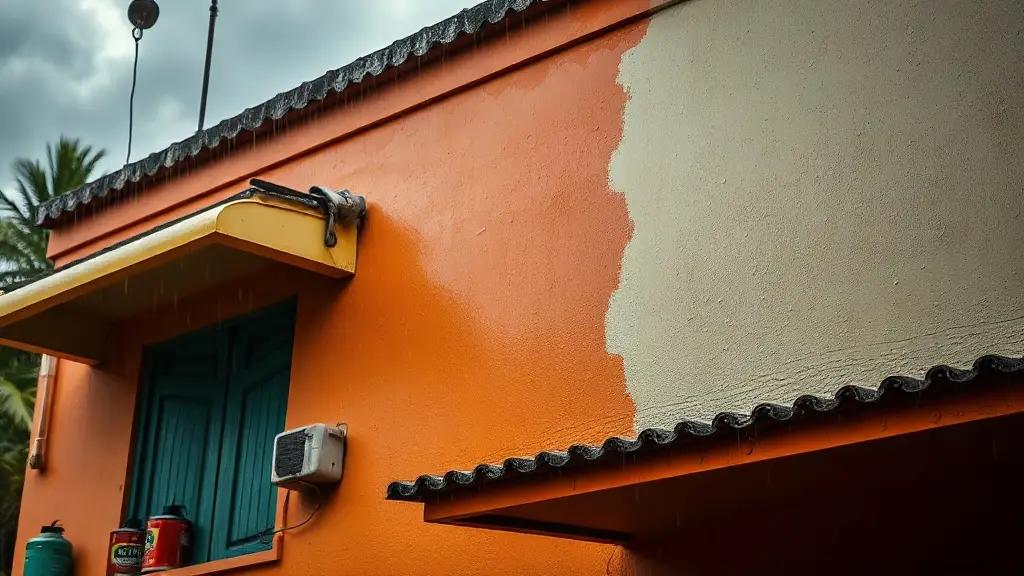
The monsoon season in Tamil Nadu is a breathtaking spectacle — heavy downpours drumming on rooftops, gusty winds bending coconut trees, and dramatic skies that have inspired painters for centuries. From the ancient masters to modern artists, the raw energy of rain, storms, and wind has always found its way onto canvas. But beyond artistic beauty, the monsoon also delivers a practical reminder for every homeowner and contractor in the region: your walls, ceilings, and wooden surfaces need to be ready to withstand relentless moisture. Let's explore how monsoon art connects to smart home maintenance this rainy season.
The Timeless Beauty of Monsoon Paintings
Throughout art history, the monsoon has served as a powerful muse. Whether it is the moody chiaroscuro of a stormy seascape, the soft wash of greens in a rain-soaked landscape, or the swirling drama of a cyclone captured in oils, these masterpieces celebrate nature's most dynamic season. Indian classical art traditions especially honour the rains — raga Megh Malhar, Rajput miniatures drenched in deep blues, and Bengal school watercolours all treat the monsoon as a sacred, life-giving force. These artworks remind us that the season, while fierce, is also profoundly beautiful.
For homeowners in Tamil Nadu, that beauty comes with a practical challenge. The same rains that inspire great art can seep into wall cracks, lift exterior paint, and cause damp patches that ruin interiors. Appreciating the monsoon artistically is one thing — preparing your home structurally is quite another, and equally important.
How Monsoon Rains Damage Walls and Paint Surfaces
Continuous exposure to rain, humidity, and wind-driven moisture puts enormous stress on building surfaces. Exterior walls absorb water through hairline cracks, poorly sealed joints, and aging paint film, leading to efflorescence, peeling, and fungal growth. Interior walls develop dampness when moisture migrates through inadequately protected outer surfaces. Wooden doors, window frames, and furniture also suffer — swelling, warping, and rotting if left untreated before the rains arrive.
Applying a high-quality waterproofing coat on terraces, parapets, and exterior walls before the monsoon is one of the most effective ways to shield your property. Equally important is using a durable exterior paint that is specially formulated to resist UV rays, moisture, and fungal attack — keeping your home's facade looking fresh and well-protected even after weeks of heavy rainfall.
Pre-Monsoon Painting Preparation for Tamil Nadu Homes
Smart homeowners and contractors in Tamil Nadu know that the weeks just before the monsoon arrive are the ideal time to carry out surface preparation and painting work. Start by repairing all cracks and uneven patches on your walls using a reliable wall putty, which creates a smooth, even base that helps paint adhere better and last longer. Once putty is applied and cured, prime wooden surfaces with a good wood primer to lock out moisture and prevent rot. Finally, apply at least two coats of weather-resistant exterior paint to all exposed surfaces.
For homeowners looking to add character to interior spaces that may feel a little dark during the overcast monsoon months, texture paint is a wonderful option. It adds depth and visual warmth to living rooms, feature walls, and hallways while also offering a tougher surface compared to standard emulsion. Taking these steps before the first showers arrive can save you thousands of rupees in repair costs down the line.
Frequently Asked Questions
Q: When is the best time to paint my home's exterior in Tamil Nadu?Ideally, exterior painting should be completed before the onset of the northeast or southwest monsoon. In Tamil Nadu, aim to finish exterior work between February–May or wait until the post-monsoon dry period in January–February. Surfaces need at least 24–48 hours of dry weather after painting to cure properly.
Q: Can I apply waterproofing and exterior paint myself, or do I need a professional?While small touch-up jobs can be a DIY project, a full waterproofing treatment or exterior repaint is best handled by an experienced contractor. Proper surface preparation — cleaning, crack-filling with wall putty, and priming — is critical to long-lasting results, and professionals have the tools and expertise to do this correctly.
Q: How do I stop interior walls from getting damp during heavy monsoon rains?Interior dampness is almost always caused by water entering through the exterior. The solution is to ensure your outer walls have a good waterproofing coat, all cracks are sealed with wall putty, and a high-quality exterior paint with anti-fungal properties is applied. If your terrace is the source of leaks, a dedicated waterproofing membrane applied before the rains is essential.
Related Products at Quality Colours
- Waterproofing Solutions — Protect Terraces & Exterior Walls
- Exterior Paint — Weather-Resistant Finishes for Tamil Nadu Homes
- Wall Putty — Smooth Base Coat for Long-Lasting Paint
- Texture Paint — Decorative & Durable Interior Wall Finishes
- Wood Primer — Moisture Protection for Doors & Furniture
Need expert paint advice? Call or WhatsApp Quality Colours: +917418831122
Source: Rain, storms, and wind: 5 masterpieces of monsoon paintings - The Times of India


