
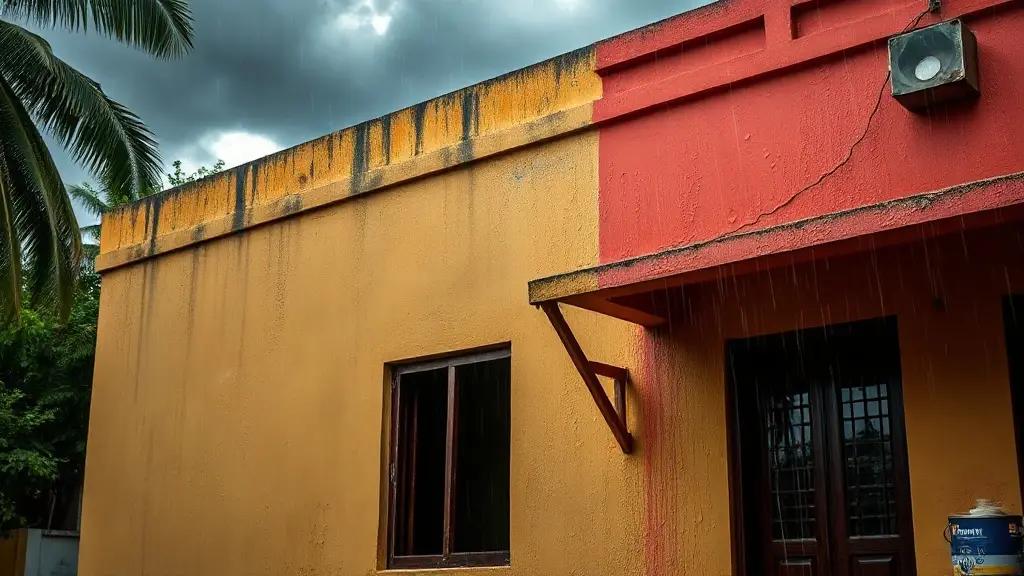
Tamil Nadu homeowners know all too well how relentless the monsoon season can be. Heavy rainfall, rising humidity, and persistent dampness can wreak havoc on your home's exterior — causing paint to peel, walls to crack, and moisture to seep deep into the structure. The good news is that with a little preparation before the rains set in, you can protect your property from serious and costly damage. Here are five smart, actionable steps every homeowner and contractor in Tamil Nadu should take to keep a home's exterior strong, dry, and looking great through the wettest months of the year.
Inspect and Repair Wall Cracks Before the Rains Arrive
Even hairline cracks in your exterior walls can become major problems once the monsoon begins. Water finds its way into the smallest openings, expanding cracks further and allowing moisture to penetrate the inner structure of your walls. Before the rains reach their peak, walk around your property and carefully examine every wall surface. Look for cracks, flaking patches, or bubbling paint — all of these are warning signs that your walls are vulnerable.
Once you have identified damaged areas, fill and level the surface using a high-quality wall putty. A good wall putty creates a smooth, firm base that seals minor surface imperfections and prevents water from entering through the wall. After the putty has fully cured, finish with a weather-resistant exterior paint that is specifically formulated to withstand heavy rainfall, UV exposure, and humidity — all conditions that are extremely common during Tamil Nadu's monsoon months.
Apply Waterproofing Solutions to Vulnerable Surfaces
Certain areas of your home are far more exposed to water damage than others — flat rooftops, parapet walls, sunshades above windows, and the lower sections of exterior walls that receive water splash-back from the ground. These zones need more than just paint; they require dedicated waterproofing treatment to form a strong barrier against moisture ingress.
Applying a reliable waterproofing coat to these high-risk surfaces before the monsoon is one of the most cost-effective investments a homeowner can make. A quality waterproofing product bonds tightly to the surface and creates a flexible, water-resistant membrane that does not crack under thermal movement. For best results, clean the surface thoroughly, allow it to dry completely, and apply two coats as recommended by the product guidelines. This single step can prevent thousands of rupees in structural repair bills down the road.
Protect Wooden Doors, Windows, and Frames
Wood is particularly sensitive to moisture. When untreated or poorly sealed wooden surfaces are exposed to the damp conditions of the monsoon season, they absorb water, swell, warp, and eventually rot. Wooden doors, window frames, and exterior timber elements are especially at risk. Before the rains begin, sand down any rough or peeling surfaces and check for signs of fungal growth or existing rot.
Once the wood is clean and dry, apply a coat of wood primer to seal the surface and improve adhesion for the topcoat. A good wood primer penetrates the grain, provides a moisture-resistant base, and extends the life of any finish coat applied over it. Follow the primer with a suitable wood finish or enamel paint to give your doors and window frames durable protection through months of wet weather. This simple two-step process can add years to the lifespan of your home's wooden fixtures.
Frequently Asked Questions
Q: How long before the monsoon should I start preparing my home exterior?
Ideally, you should begin exterior repairs and painting work at least four to six weeks before the monsoon season starts. This gives enough time for wall putty, waterproofing coats, and exterior paint to cure fully and bond properly before they are exposed to rain and humidity.
Q: Can I apply exterior paint during the monsoon season if I missed the deadline?
It is not recommended to apply paint directly onto wet or damp surfaces, as this prevents proper adhesion and can cause the paint to peel quickly. However, if there is a dry spell during the monsoon, you can paint in the morning when humidity is lower and temperatures are manageable. Always check the dryness of the surface before starting.
Q: Is waterproofing only needed for rooftops, or should I waterproof my exterior walls too?
Waterproofing is highly recommended for both rooftops and exterior walls, especially in Tamil Nadu where monsoon rainfall can be very heavy and prolonged. Flat roofs, parapets, bathroom walls, and the base sections of exterior walls that are frequently splashed are all high-risk areas that benefit greatly from a dedicated waterproofing treatment.
Related Products at Quality Colours
- Wall Putty – Smooth, crack-filling base coat for exterior and interior walls
- Exterior Paint – Weather-resistant, UV-proof paint for Tamil Nadu climates
- Waterproofing Solutions – Roof and wall waterproofing for monsoon protection
- Wood Primer – Moisture-resistant primer for doors, windows, and timber surfaces
- Texture Paint – Decorative and durable finish for exterior wall surfaces
Need expert paint advice? Call or WhatsApp Quality Colours: +917418831122


