
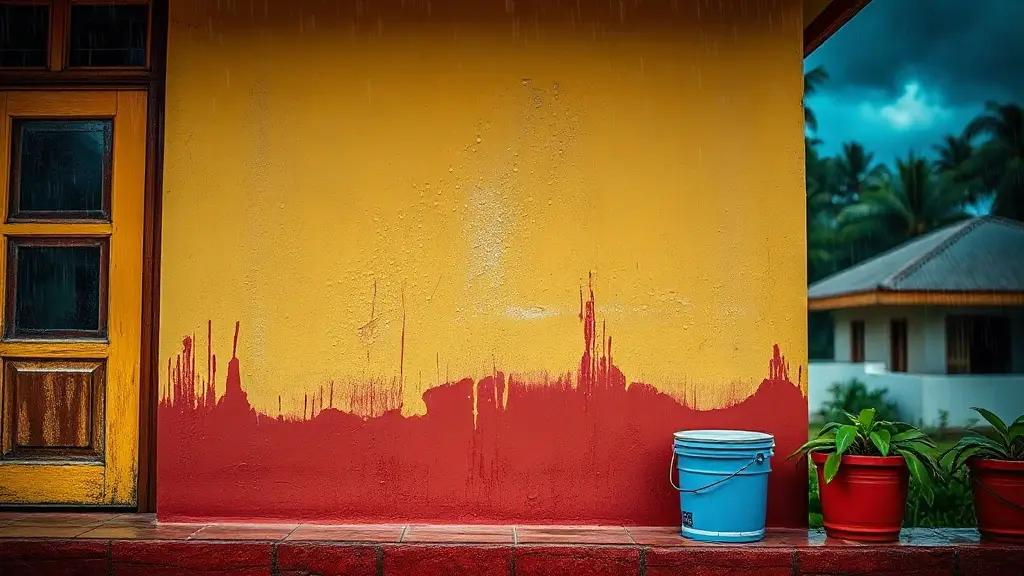
Every year, the monsoon season brings heavy rainfall across Tamil Nadu, and while the rains are a welcome relief from the heat, they can be devastating for your home's walls, ceilings, and wooden surfaces. Moisture seeps into unprotected surfaces, leading to peeling paint, fungal growth, damp patches, and structural damage. Whether you are a homeowner looking to refresh your interiors or a contractor planning a large-scale project, understanding how to prepare and protect surfaces before and after the rains can save you a great deal of time, money, and frustration.
Why Monsoon Weather Is Tough on Your Walls
The combination of high humidity, driving rain, and fluctuating temperatures during the monsoon season creates the perfect conditions for water ingress. External walls are the most vulnerable — once rainwater penetrates the surface layer, it travels inward, causing paint to bubble, crack, and eventually flake away. Internal walls then develop unsightly damp stains that are difficult and costly to repair later.
The key to beating monsoon damage is preparation. Applying a high-quality waterproofing solution before the rains arrive creates a resilient barrier that prevents moisture from breaching your walls in the first place. A premium exterior waterproofing coat, applied correctly, can keep your walls dry and vibrant for years, even through the heaviest Tamil Nadu downpours.
Choosing the Right Paint for Rainy Season Protection
Not all paints are created equal when it comes to monsoon resistance. For exterior surfaces, you need a paint that offers UV resistance, anti-fungal properties, and excellent water repellency. A top-grade exterior paint with elastomeric properties can bridge hairline cracks and flex with the natural movement of the building, ensuring a long-lasting, watertight finish throughout the monsoon and beyond.
For interior walls that have suffered damp damage, the first step is always surface preparation. Applying a smooth layer of wall putty before painting fills in cracks, evens out the surface, and significantly improves paint adhesion. Skipping this step is one of the most common mistakes homeowners make — and one of the main reasons paint peels prematurely, especially in humid climates like ours here in Tamil Nadu.
Protecting Wooden Surfaces During the Monsoon
Walls are not the only surfaces at risk during heavy rains. Wooden doors, window frames, railings, and furniture are equally vulnerable to moisture absorption, which causes swelling, warping, and rotting over time. Before the monsoon sets in, all wooden surfaces should be treated with a reliable wood primer. A good wood primer penetrates deep into the grain, seals the pores, and provides a stable base for the topcoat, dramatically extending the life of your woodwork.
For an added layer of protection and style, consider finishing interior feature walls with a texture paint that not only adds visual depth but also provides an extra layer of surface resilience. Texture finishes are increasingly popular among Tamil Nadu homeowners for their ability to hide minor surface imperfections while adding a premium, designer look to living rooms, bedrooms, and commercial spaces.
Frequently Asked Questions
Q: How soon before the monsoon should I apply waterproofing paint on my exterior walls?
Ideally, exterior waterproofing should be applied at least four to six weeks before the monsoon season begins. This gives the coating adequate time to cure fully and form a strong, durable barrier against rain and moisture. Applying it too close to the rains can prevent proper curing and reduce its effectiveness.
Q: Is wall putty necessary before painting interior walls in Tamil Nadu?
Yes, wall putty is highly recommended, especially in Tamil Nadu's humid climate. It smooths out surface irregularities, reduces paint absorption, and improves the overall adhesion of the topcoat. Walls finished with a quality putty base tend to look more professional and retain their finish for much longer compared to walls painted directly on rough plaster.
Q: What is the best way to deal with existing damp patches before repainting?
Before repainting over damp patches, it is essential to identify and fix the source of moisture first. Once the root cause is addressed, allow the wall to dry completely, then treat the affected area with an anti-fungal solution. Apply a waterproofing primer coat, followed by wall putty to level the surface, and then finish with a quality exterior or interior paint suitable for high-humidity environments.
Related Products at Quality Colours
- Waterproofing Solutions — Keep monsoon moisture out of your walls
- Exterior Paint — Weather-resistant finishes for Tamil Nadu climates
- Wall Putty — Smooth, crack-free base for longer-lasting paint
- Texture Paint — Stylish and resilient interior and exterior finishes
- Wood Primer — Deep-penetrating protection for all wooden surfaces
Need expert paint advice? Call or WhatsApp Quality Colours: +917418831122


