
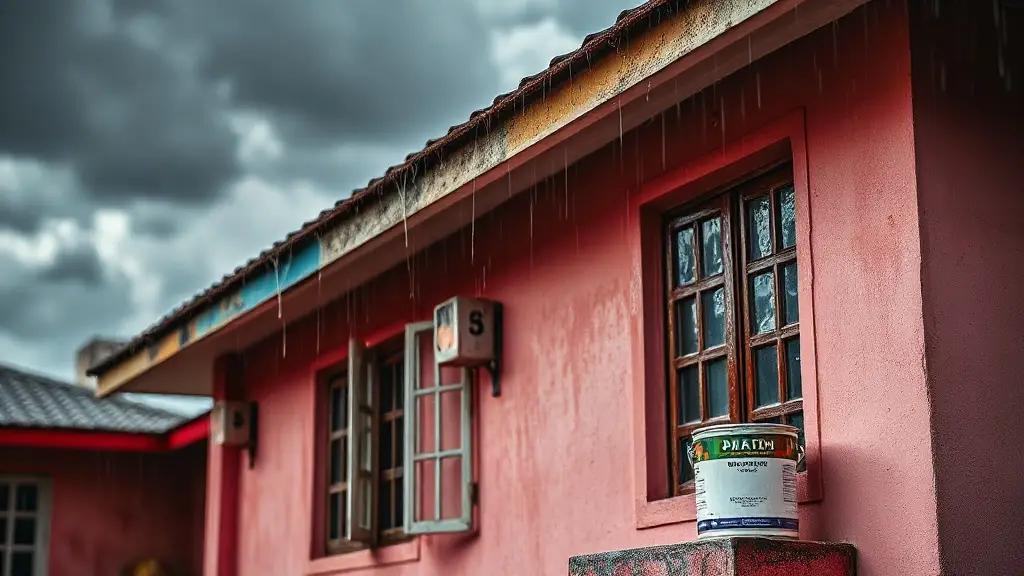
Every year, the monsoon season brings welcome relief from Tamil Nadu's scorching heat — but it also brings moisture, dampness, and the very real risk of structural damage to your home. From seeping walls to peeling paint and rotting wood, the rains can undo months of effort and investment if your home isn't prepared. Whether you own a flat in Chennai, a villa in Coimbatore, or a house in Madurai, taking a few proactive steps before the downpour begins can save you significant money and stress. Here's what homeowners and contractors in Tamil Nadu need to know before the clouds roll in.
Protect Your Exterior Walls from Rain and Dampness
Your home's exterior walls are the first line of defence against monsoon rains. Constant exposure to rainwater causes paint to bubble, crack, and peel — and once moisture penetrates the wall surface, it leads to deeper structural issues like efflorescence and seepage. The smart move is to inspect your exterior walls before the season begins and address any cracks or rough patches using a quality wall putty. This creates a smooth, sealed base that significantly reduces water absorption.
Once the surface is properly prepared, apply a high-performance exterior paint that is specifically formulated to withstand heavy rainfall, UV rays, and humidity. Look for paints with anti-algae and anti-fungal properties, as Tamil Nadu's warm, wet climate is ideal breeding ground for mould and green algae growth on walls. A good exterior coat not only keeps your home looking fresh through the monsoon but actively blocks moisture intrusion.
Waterproofing — The Most Critical Step Before the Rains
If there's one investment that pays for itself every single monsoon season, it's proper waterproofing. Rooftops, terraces, bathrooms, and basement walls are particularly vulnerable to water seepage during heavy rains. In many Tamil Nadu homes, hairline cracks in the terrace or parapet walls are the primary entry points for rainwater that eventually shows up as damp patches on interior ceilings and walls. Applying a reliable waterproofing solution to these areas before the monsoon is non-negotiable.
Professional-grade waterproofing products form a seamless, flexible membrane over surfaces that expands and contracts with temperature changes, preventing cracks from reopening. Homeowners who skip this step often find themselves dealing with costly ceiling repairs, damaged plaster, and ruined interior paintwork mid-season — repairs that are both expensive and difficult to carry out when it's raining heavily outside. Investing in waterproofing before June is always the smarter and more economical choice.
Don't Neglect Your Wood — Prime and Seal Before Monsoon Hits
Wooden doors, window frames, furniture, and staircases are extremely susceptible to moisture damage during the monsoon. Unprotected wood absorbs humidity rapidly, causing it to swell, warp, crack, and eventually rot. This not only looks unsightly but also compromises the structural integrity of doors and windows, making them difficult to open or close properly. The solution is to apply a quality wood primer to all exposed wooden surfaces well ahead of the rains.
A good wood primer seals the grain of the wood, prevents moisture absorption, and provides a strong bonding base for topcoat paints or varnishes. In coastal areas of Tamil Nadu like Chennai, Pondicherry, and Cuddalore, where salt-laden air combines with monsoon moisture, this step is even more critical. Once primed and sealed, wooden surfaces remain protected, retain their appearance, and last significantly longer without requiring frequent repairs or replacements.
Frequently Asked Questions
Q: When is the best time to apply waterproofing in Tamil Nadu?
Ideally, waterproofing should be applied at least four to six weeks before the onset of the Northeast or Southwest monsoon, giving the product adequate time to cure fully. In Tamil Nadu, this means completing waterproofing work by late May for the Southwest monsoon and by late September for the Northeast monsoon season.
Q: Can I paint my exterior walls just before the monsoon, or should I wait until after?
It is best to complete exterior painting at least two to three weeks before heavy rains begin so the paint has sufficient time to dry and cure properly. Painting on damp or wet surfaces leads to poor adhesion and early peeling. If you missed the window, wait until the monsoon ends and choose a day with low humidity and no rain forecast for the next 48 hours.
Q: How do I know if my walls need wall putty before painting?
If your walls show visible cracks, pits, an uneven surface, or old peeling paint, applying wall putty is strongly recommended before any painting work. Wall putty fills imperfections, creates a uniform smooth surface, and improves paint adhesion — resulting in a longer-lasting and better-looking finish that holds up well through multiple monsoon seasons.
Related Products at Quality Colours
- Wall Putty — Smooth surface preparation for interior and exterior walls
- Exterior Paint — Weather-resistant, anti-fungal paints for Tamil Nadu climates
- Waterproofing Solutions — Roof, terrace, and basement protection
- Texture Paint — Decorative and protective finishes for exterior surfaces
- Wood Primer — Seal and protect doors, windows, and wooden furniture
Need expert paint advice? Call or WhatsApp Quality Colours: +917418831122
Source: Monsoon-proof your home with quick, smart seasonal tips - Moneycontrol.com


