
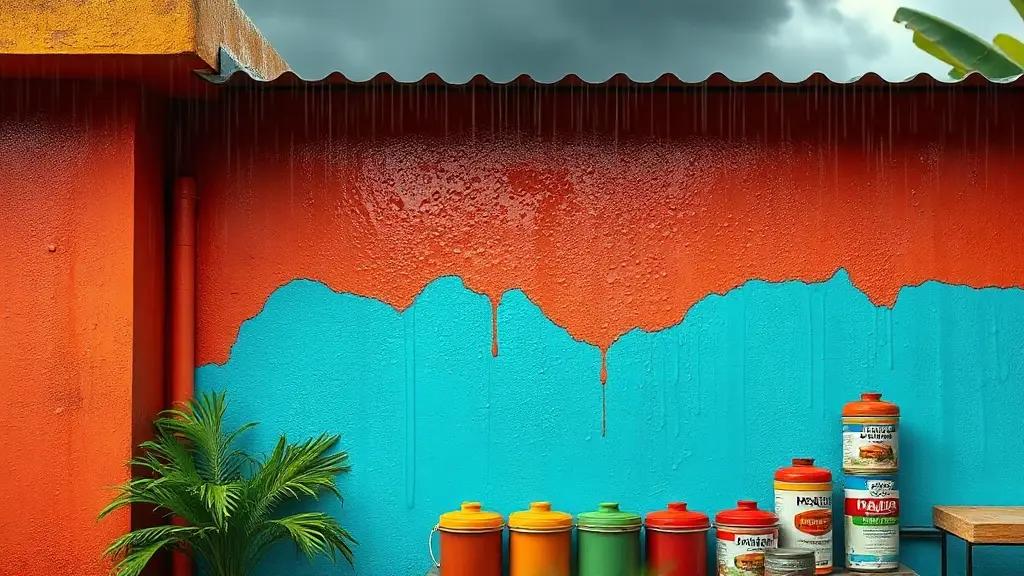
Every year, as the northeast and southwest monsoons sweep across Tamil Nadu, thousands of homeowners face the same frustrating problems — peeling paint, damp walls, seepage through roofs, and crumbling plaster. Whether you live in Chennai, Coimbatore, Madurai, or a smaller town, the heavy rains can take a serious toll on your property if it is not properly prepared. The good news is that with the right materials and a little planning before the rains arrive, you can protect your home effectively and keep it looking great all year round.
Seal Your Walls Before the Rains Hit
One of the most overlooked steps in monsoon preparation is treating your exterior walls before the wet season begins. Bare or poorly finished walls absorb moisture rapidly, leading to efflorescence, fungal growth, and deep structural dampness that is expensive to fix later. Applying a quality wall putty as a base coat fills micro-cracks and creates a smooth, dense surface that resists water penetration far better than untreated plaster. Once the putty has cured, finishing with a premium exterior paint that contains anti-algae and waterproofing additives gives your walls a tough shield against driving rain and humidity. At Quality Colours, we stock trusted brands of exterior paint specifically suited to Tamil Nadu's intense monsoon conditions.
Pay close attention to areas around windows, doors, and joints where the wall meets the roof slab — these are the first places where water finds a way inside. Use a flexible sealant or waterproofing compound around these vulnerable edges before painting for maximum protection.
Waterproof Your Roof and Terrace
A leaking roof or terrace is the single biggest cause of monsoon damage in Indian homes. Water that seeps through the roof slab travels downward, staining ceilings, rotting wooden beams, and eventually weakening the RCC structure itself. Applying a dedicated waterproofing coating to your terrace surface is therefore one of the most important investments a homeowner can make. Modern waterproofing solutions are available as liquid-applied membranes or cementitious coatings that bond directly to the concrete, forming a seamless barrier that blocks water even under continuous rainfall.
Before applying any waterproofing product, make sure all existing cracks on the terrace are repaired, the surface is thoroughly cleaned, and the drainage slope is adequate so that water does not pond. Standing water is waterproofing's worst enemy and will eventually find any weak spot in the coating.
Protect Wooden Surfaces and Interior Finishes
Wood is highly susceptible to moisture damage during the monsoon — doors swell, window frames warp, and untreated timber can develop mould within weeks of sustained humidity. Applying a good wood primer before the rains arrive penetrates the wood grain, seals the surface, and creates a stable base for the topcoat to adhere to. This simple step significantly extends the life of your wooden doors, window frames, and furniture. In addition, consider refreshing interior feature walls with a texture paint that not only adds visual interest but also provides a thicker, more durable film than standard emulsion — better at handling the fluctuating moisture levels indoors during the rainy season.
Ensure that your bathroom and kitchen areas are also checked for grout cracks and tile gaps, as these can allow moisture to travel into the wall structure. Addressing these minor issues early saves you from major repair costs after the monsoon.
Frequently Asked Questions
Q: When is the best time to apply waterproofing or exterior paint in Tamil Nadu?
Ideally, waterproofing and exterior painting should be done at least four to six weeks before the monsoon season begins — typically between April and May for the southwest monsoon. This gives coatings adequate time to cure fully and achieve their rated protective performance before heavy rains arrive.
Q: How many coats of exterior paint are needed for proper monsoon protection?
For reliable protection, a minimum of two topcoats of a quality exterior paint applied over a properly primed and putty-finished surface is recommended. Some high-performance products may specify a primer coat plus two finish coats. Always follow the manufacturer's data sheet for the specific product you are using.
Q: Can I apply wall putty on damp walls before the monsoon?
No — wall putty and most paint products require a dry substrate to bond correctly. If your walls are already damp, allow them to dry completely, treat any active seepage with a waterproofing compound first, and only then apply putty and paint. Applying products over wet surfaces leads to poor adhesion and early failure.
Related Products at Quality Colours
- Waterproofing Solutions — Terrace, Wall & Roof Coatings
- Exterior Paint — Weather-Resistant Finishes for Tamil Nadu Homes
- Wall Putty — Crack-Filling Base Coats for Smooth Surfaces
- Wood Primer — Protection for Doors, Frames & Timber
- Texture Paint — Decorative & Durable Interior Finishes
Need expert paint advice? Call or WhatsApp Quality Colours: +917418831122


