
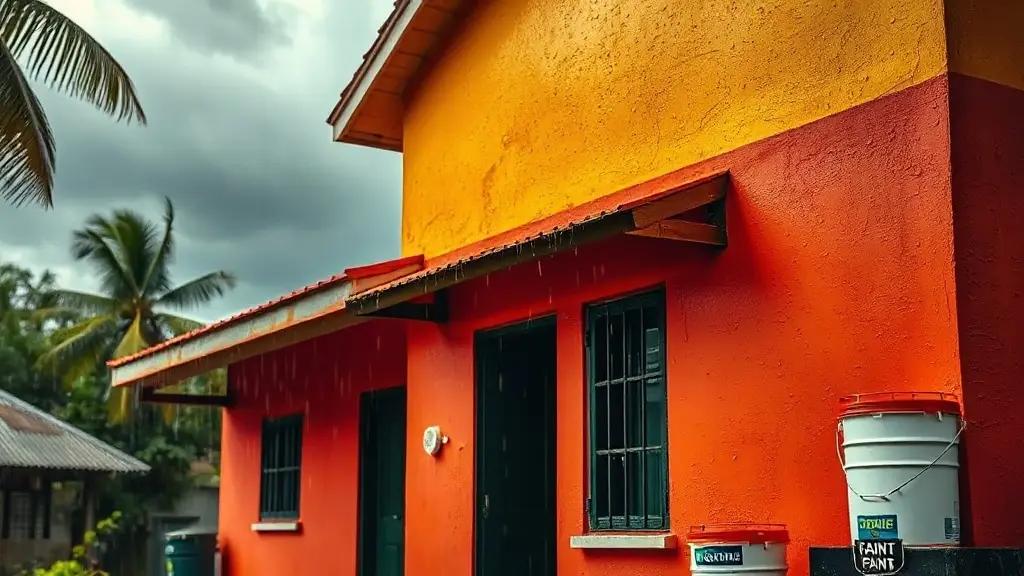
Every year, as the monsoon clouds roll across Tamil Nadu, homeowners and contractors face a familiar challenge — keeping walls safe from relentless rain, rising humidity, and moisture seepage. While the dramatic stormy skies may be beautiful to photograph, the damage they leave behind on exterior and interior walls is far from picture-perfect. Peeling paint, damp patches, fungal growth, and cracked surfaces are all too common after a heavy downpour. Understanding how seasonal rain affects your home and what protective measures to take can save you thousands of rupees in repairs and repainting costs every single year.
How Heavy Rain Damages Your Home's Exterior Walls
When rain hits an unprepared exterior wall repeatedly, water seeps into tiny cracks and pores in the plaster. Over time, this moisture weakens the wall surface, causing paint to bubble, blister, and peel away. In coastal and low-lying areas of Tamil Nadu — such as Chennai, Cuddalore, and Nagapattinam — walls are exposed to both heavy rain and salty, humid air, which accelerates this damage even further.
One of the most effective ways to combat this is to apply a high-quality exterior paint that is specially formulated with weather-resistant and anti-fungal properties. A good exterior paint creates a tough, flexible film on the wall surface that repels water while allowing the wall to breathe, reducing the risk of blistering or cracking during temperature fluctuations common in Tamil Nadu's climate.
The Critical Role of Waterproofing Before the Monsoon
Many homeowners make the mistake of waiting until water damage is visible before acting. By then, the moisture has already penetrated deep into the wall structure, making repairs far more expensive. The smart approach is to invest in proper waterproofing solutions before the rains arrive. Applying a waterproofing coat on terrace slabs, parapet walls, and external surfaces creates an invisible shield that blocks water ingress at its source.
In addition, applying wall putty before painting is essential for sealing hairline cracks and creating a smooth, even base. Wall putty fills microscopic gaps in the plaster that would otherwise act as entry points for rainwater. When combined with a quality waterproofing system and exterior paint, wall putty significantly extends the life of your paint job and keeps your walls looking fresh even after multiple monsoon seasons.
Preparing Your Walls After the Rains: Repainting Tips
Once the monsoon season winds down, it is the ideal time to inspect your walls for damage and plan your repainting work. Start by scraping off any loose or flaking paint, treating any fungal or algae growth with an antifungal solution, and allowing walls to dry completely before applying new coats. For wooden doors, window frames, and furniture that have been exposed to moisture, using a good wood primer is essential before any topcoat is applied — it prevents rot, swelling, and paint failure on timber surfaces.
If you want to add both beauty and durability to your interior walls, consider using texture paint, which not only provides a decorative finish but also adds a layer of protection against minor moisture exposure indoors. Texture paint is especially popular in Tamil Nadu homes for living rooms and feature walls, and it holds up well in humid conditions when applied correctly over a properly primed and sealed surface.
Frequently Asked Questions
Q: Which type of paint is best for exterior walls during Tamil Nadu's monsoon season?
A weather-resistant exterior paint with anti-fungal and waterproof properties is the best choice for Tamil Nadu homes. It forms a durable, flexible barrier against heavy rain, humidity, and algae growth, keeping your walls protected throughout the monsoon and beyond.
Q: Should I apply wall putty before painting during or after the rainy season?
Wall putty should ideally be applied after the rains, once walls are fully dry. It seals hairline cracks and creates a smooth base for paint. Applying putty on damp walls can lead to adhesion failure, so always ensure the surface is clean and moisture-free before application.
Q: How often should homeowners in Tamil Nadu repaint their exterior walls?
In Tamil Nadu's humid and rainy climate, it is generally recommended to repaint exterior walls every three to five years. However, using high-quality waterproofing and premium exterior paint can extend this interval. Regular inspection after each monsoon season helps catch minor damage early before it worsens.
Related Products at Quality Colours
- Exterior Paint – Weather-Resistant Formulas for Tamil Nadu Homes
- Waterproofing Solutions – Protect Terraces and Exterior Walls
- Wall Putty – Smooth Base Coat for Long-Lasting Paint Finish
- Texture Paint – Decorative and Durable Interior Wall Finishes
- Wood Primer – Essential Protection for Timber Surfaces
Need expert paint advice? Call or WhatsApp Quality Colours: +917418831122


