
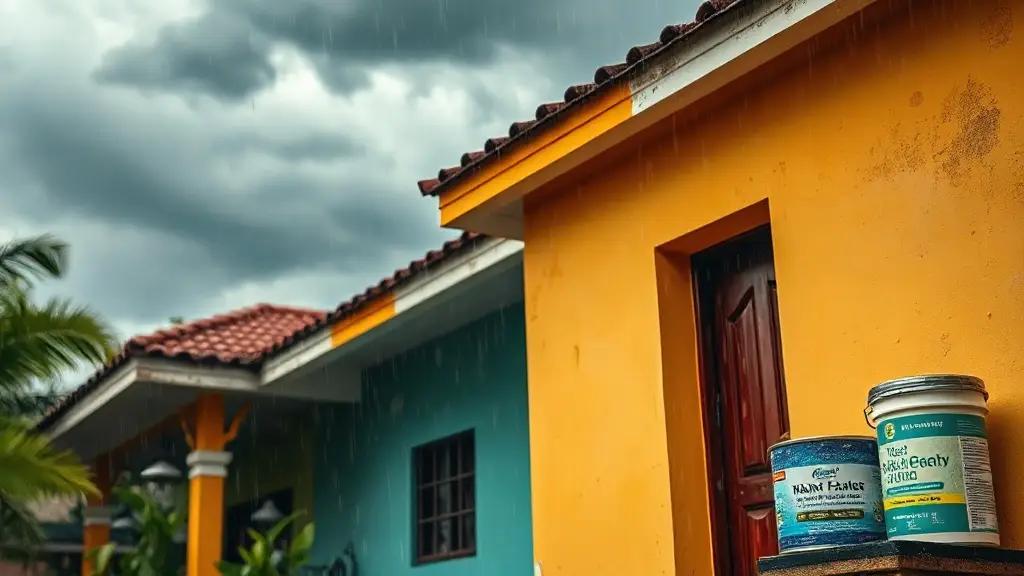
Every year, the monsoon season brings heavy rainfall across Tamil Nadu, and while the rains are a welcome relief from the summer heat, they can cause serious damage to your home's walls, ceilings, and wooden surfaces. Moisture seepage, peeling paint, damp patches, and fungal growth are common problems that homeowners and contractors face during and after the rainy season. The good news is that with the right preparation and quality paint products, you can protect your property and keep it looking fresh and vibrant throughout the year. Here is what you need to know before the next downpour arrives.
Why Monsoon Moisture Is Your Home's Biggest Enemy
Water is the single greatest threat to any painted surface. When rainwater penetrates walls — especially older or poorly plastered ones — it causes the paint to bubble, crack, and peel away. Internal dampness can also lead to mould and mildew growth, which is not only unsightly but also a health concern for your family. In Tamil Nadu, the northeast monsoon, which typically arrives between October and December, can be particularly intense along the Coromandel Coast, making waterproofing a critical step for any home.
Before repainting any surface, it is essential to fill hairline cracks and level uneven walls using a good quality wall putty. A smooth, sealed base ensures that your topcoat adheres properly and provides a uniform finish that resists moisture ingress from the very start.
Choosing the Right Exterior Paint for Wet Conditions
Not all paints are created equal, and choosing the wrong product for exterior surfaces can mean repainting every single year — a costly and time-consuming exercise. For facades, boundary walls, and outdoor surfaces exposed to driving rain, a premium weatherproof exterior paint is the smart investment. Look for formulations that offer UV resistance, anti-algae properties, and excellent water repellency, as these features are specifically designed to handle the punishing combination of heat and rainfall that Tamil Nadu experiences.
For rooftops, terraces, and areas prone to water pooling, a dedicated waterproofing solution is indispensable. Applied as a coating before your finishing paint, it creates a protective barrier that channels water away from the structure rather than allowing it to soak in. This single step can dramatically extend the life of your paint job and reduce long-term maintenance costs.
Protecting Wooden Surfaces and Adding Character with Texture
Wooden doors, window frames, and furniture are especially vulnerable during the monsoon. Swelling, warping, and rotting are common outcomes when bare or poorly sealed wood is exposed to repeated wetting and drying cycles. Applying a high-quality wood primer before your finishing coat seals the grain, prevents moisture absorption, and provides a solid base that helps the topcoat last significantly longer. This is a step that is far too often skipped but makes an enormous difference to the durability of any wooden surface.
Once the monsoon recedes and you are ready to refresh your interiors, consider texture paint to add depth, character, and tactile interest to your living spaces. Texture finishes are not only visually appealing but also help mask minor surface imperfections, making them a practical and stylish choice for renovated rooms. From subtle sand finishes to bold geometric patterns, the options available today mean you can achieve a truly personalised look for any room in your home.
Frequently Asked Questions
Q: When is the best time to paint my home's exterior in Tamil Nadu?
The ideal time for exterior painting is either just before the monsoon — giving the paint time to cure fully — or a few weeks after the rains have completely stopped and walls have dried out thoroughly. Painting on damp surfaces leads to poor adhesion and premature peeling.
Q: Do I really need waterproofing if I use a good quality exterior paint?
While premium exterior paints do offer water resistance, waterproofing is a separate and additional layer of protection, particularly important for flat roofs, terraces, and basement walls where standing water is a risk. Using both gives your home the best possible defence against moisture damage.
Q: How many coats of wall putty should I apply before painting?
Typically, two coats of wall putty are recommended for best results. Each coat should be allowed to dry completely before the next is applied, and the surface should be sanded smooth between coats. This process creates a perfectly even base that improves the final paint finish significantly.
Related Products at Quality Colours
- Wall Putty — Smooth base for flawless paint finishes
- Exterior Paint — Weatherproof protection for Tamil Nadu climates
- Waterproofing Solutions — Shield roofs and walls from monsoon damage
- Texture Paint — Decorative finishes for stylish interiors
- Wood Primer — Long-lasting protection for doors and window frames
Need expert paint advice? Call or WhatsApp Quality Colours: +917418831122
Source: On the hippy trail: founder Peter Simon on 50 years of Monsoon - The Guardian


