
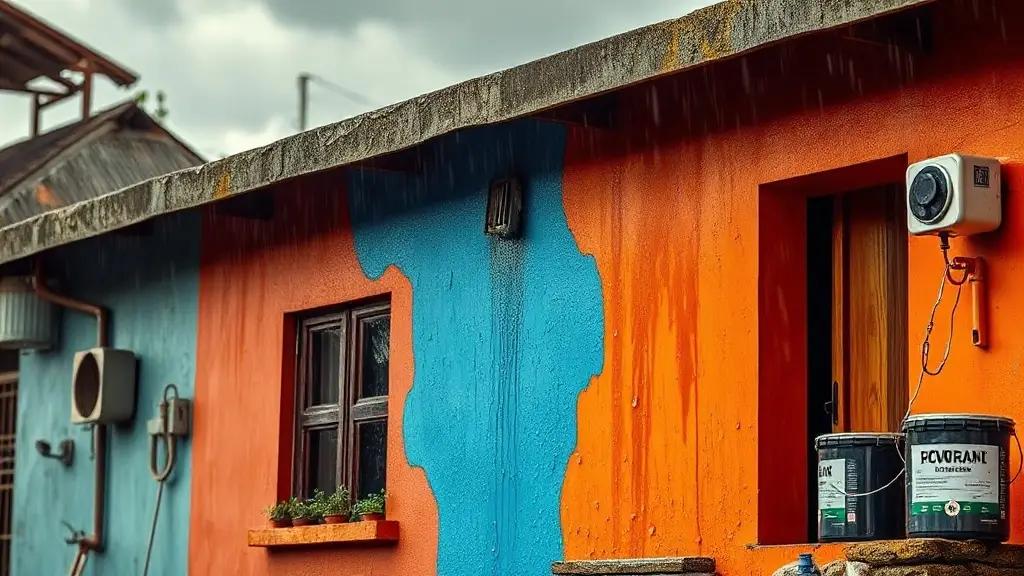
Every year, as the monsoon sweeps across Tamil Nadu, homeowners and contractors face the same frustrating challenge — dampness, peeling paint, seepage, and crumbling wall surfaces. The heavy rainfall and high humidity that define our region's wet season can undo months of renovation work in just a few weeks. Whether you own a standalone home in Coimbatore, a villa in Chennai, or a commercial property in Madurai, understanding how moisture affects your walls — and what you can do about it — can save you thousands of rupees in repair costs.
Why Monsoon Rain Damages Walls So Quickly
When rainwater repeatedly hits an unprotected exterior wall, it gradually penetrates the surface layer and seeps into the masonry beneath. This trapped moisture causes paint to bubble, crack, and peel. Over time, the underlying plaster weakens and fungi or algae begin to grow, leaving dark, unsightly stains. Walls that face the south-west direction are especially vulnerable in Tamil Nadu because that is the primary direction from which seasonal winds drive rain against building facades.
Beyond the visual damage, persistent moisture can compromise the structural integrity of walls, leading to costly repairs. This is why waterproofing is not a luxury — it is an essential step before any painting project, particularly for exterior surfaces. Applying a high-quality waterproofing coat as a base layer creates a reliable barrier that prevents water ingress and keeps walls dry throughout the season.
Choosing the Right Exterior Paint for Tamil Nadu's Climate
Not all paints are created equal, especially when it comes to surviving the punishing combination of intense heat followed by prolonged rain that characterises the Tamil Nadu climate. A premium exterior paint formulated with weather-resistant resins and fungicidal additives will outperform standard emulsions by a significant margin. Look for products that offer elastomeric properties — these paints can expand and contract with the wall surface as temperatures fluctuate, preventing hairline cracks that let water in.
Before applying exterior paint, proper surface preparation is critical. Using a good-quality wall putty to fill existing cracks, pores, and uneven surfaces gives the topcoat a smooth, strong foundation to bond with. Skipping this step is one of the most common mistakes homeowners make, and it dramatically shortens the lifespan of even the best paint. At Quality Colours, we stock a wide range of weather-grade exterior paints and wall putty products suitable for all types of Tamil Nadu buildings.
Protecting Wood and Textured Surfaces During the Wet Season
Walls are not the only surfaces at risk during the monsoon — wooden doors, window frames, and fascia boards are equally susceptible to moisture damage. Bare or poorly sealed wood absorbs water rapidly, leading to swelling, warping, and eventually rotting. Applying a quality wood primer before painting wooden surfaces seals the grain, prevents moisture absorption, and ensures topcoat adhesion. This single step can extend the life of your woodwork by several years.
For homeowners who want to add a decorative dimension to interior walls while also gaining some protection, texture paint is an excellent choice. Modern texture paint formulations are not only visually appealing but also provide a thicker, more durable film that resists minor scuffs and moisture from condensation. Whether you prefer a sand finish, a rustic stone effect, or a smooth skip-trowel pattern, texture paints are a practical and stylish solution for living rooms, bedrooms, and hallways in Tamil Nadu homes.
Frequently Asked Questions
Q: When is the best time to paint the exterior of my home in Tamil Nadu?
The ideal window for exterior painting is just before the monsoon begins — typically between February and May — or immediately after the season ends in November and December. Painting during dry, mild weather allows the paint to cure properly and bond firmly to the surface, ensuring maximum durability when the rains arrive.
Q: Can I apply waterproofing over existing paint without removing it?
In most cases, it is not recommended to apply waterproofing directly over old, flaking, or peeling paint. The existing layer must be scraped, sanded, and cleaned thoroughly first. If the old paint is still firmly bonded to the wall and in good condition, a compatible waterproofing primer can be applied over it — but always consult a paint professional to confirm compatibility before proceeding.
Q: How many coats of exterior paint are needed for good monsoon protection?
A standard exterior painting system should include at least one coat of waterproofing or weather-resistant primer, followed by two coats of high-quality exterior paint. For surfaces directly exposed to driving rain or walls that have previously shown water damage, three topcoats are advisable. Proper surface preparation with wall putty before priming further enhances the protection.
Related Products at Quality Colours
- Waterproofing Solutions — Keep Moisture Out All Season
- Exterior Paint — Weather-Resistant Finishes for Tamil Nadu Homes
- Wall Putty — Smooth, Crack-Free Surfaces Before You Paint
- Texture Paint — Decorative and Durable Interior Finishes
- Wood Primer — Protect Doors and Frames from Monsoon Moisture
Need expert paint advice? Call or WhatsApp Quality Colours: +917418831122
Source: 5 Rajasthan Forts That Look Magical During The Monsoon - News18


