Indian Railways recently made headlines by introducing a brand-new Antyodaya Express built by the Integral Coach Factory (ICF) that requires absolutely no exterior paint. The coaches are crafted from stainless steel, which naturally resists rust and weathering without any coating. While this is a remarkable engineering achievement for rail transport, it raises an interesting question for homeowners and contractors across Tamil Nadu: what does surface protection really mean, and how do the principles behind paint-free steel translate into smarter choices for your walls, roofs, and wooden fixtures at home?
Why the 'Paint-Less' Concept Works for Steel — But Not Your Walls
Stainless steel used in the new Antyodaya Express coaches contains chromium, which forms a self-healing protective oxide layer when exposed to air. This means the metal essentially shields itself from corrosion without needing any coating. However, the walls, ceilings, and exterior surfaces of your home are made from concrete, plaster, or wood — materials that have no such built-in defence mechanism. Without proper surface treatment, these materials absorb moisture, develop cracks, and deteriorate rapidly, especially in Tamil Nadu's humid and often rain-heavy climate.
This is exactly why applying a high-quality wall putty before painting is so important. Wall putty fills micro-pores and hairline cracks in plaster surfaces, creating a smooth, sealed base that prevents moisture from seeping in and helps topcoat paints bond firmly for years to come.
The Role of Protective Coatings on Home Exteriors
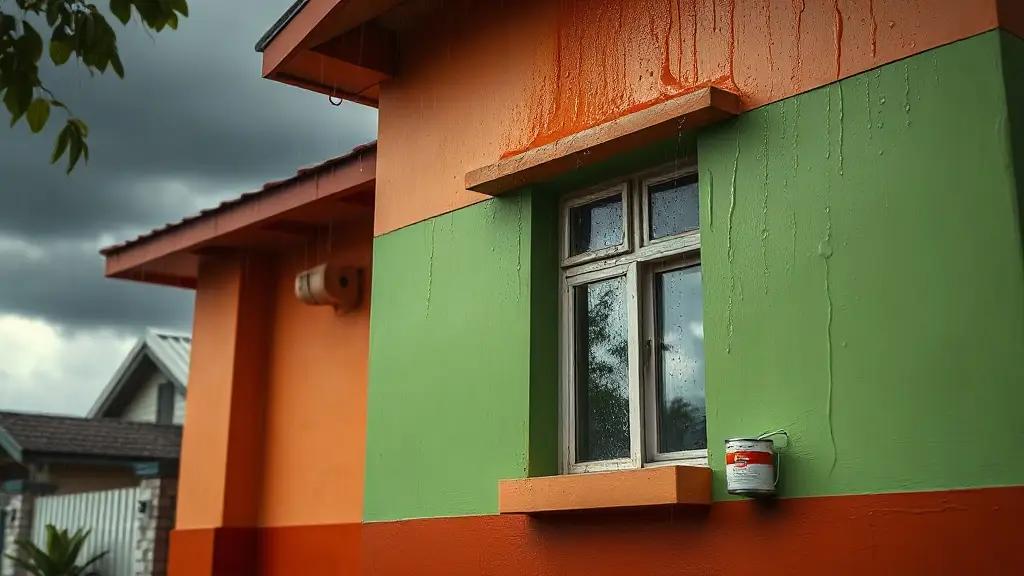
Just as the ICF engineers chose stainless steel to eliminate the maintenance burden of repainting train coaches, you too can dramatically reduce repainting frequency by investing in the right protective products from the start. Tamil Nadu's coastal air, monsoon rains, and intense summer heat put exterior walls under constant stress. A premium-grade exterior paint with anti-algae and UV-resistant properties acts as your home's first line of defence, preventing efflorescence, peeling, and colour fade.
For flat roofs and terrace walls that face direct rainwater exposure, going a step further with a dedicated waterproofing solution is highly recommended. Waterproofing coatings create a flexible, impermeable membrane over the surface, stopping water ingress at the source and protecting the structural integrity of your building for many seasons ahead.
Surface Preparation: The Real Secret to Lasting Protection
The Antyodaya Express coaches are built to last decades with minimal upkeep because the raw material itself was carefully chosen and engineered. Similarly, the longevity of any paint job on your home depends heavily on how well the surface is prepared before the first drop of paint is applied. Skipping preparation steps is the number one reason paint peels prematurely in Indian weather conditions.
For wooden doors, window frames, and furniture, applying a quality wood primer before the topcoat seals the grain, prevents swelling due to humidity, and dramatically extends the life of the finish. On interior feature walls where you want something beyond flat paint, texture paint adds both visual depth and a tougher, more washable surface — combining aesthetics with practicality in a single product.
Frequently Asked Questions
Q: Is wall putty really necessary before painting interior walls?Yes, wall putty is essential for achieving a smooth, even finish on interior walls. It fills surface imperfections and creates a strong bond between the plaster and the topcoat, preventing early peeling and giving your paint a professional, long-lasting appearance.
Q: How often should I repaint the exterior of my home in Tamil Nadu?In Tamil Nadu's climate, most exterior walls benefit from repainting every 5 to 7 years. However, using a high-quality exterior paint combined with a proper waterproofing treatment can extend this interval significantly and reduce long-term maintenance costs.
Q: What is the difference between waterproofing paint and regular exterior paint?Regular exterior paint provides colour, UV protection, and mild weather resistance. Waterproofing coatings, on the other hand, are specially formulated to create a water-impermeable barrier, making them ideal for terraces, water-facing walls, bathrooms, and any surface exposed to standing or flowing water.
Related Products at Quality Colours
- Wall Putty — Smooth base for flawless interior walls
- Exterior Paint — Weather-resistant colour that lasts
- Waterproofing Solutions — Stop leaks before they start
- Texture Paint — Decorative and durable interior finishes
- Wood Primer — Long-lasting protection for all wooden surfaces
Need expert paint advice? Call or WhatsApp Quality Colours: +917418831122