
Indian Railways recently made headlines by introducing the Antyodaya Express as the country's first train to run without any conventional paint coating. Instead of traditional paint, the train's exterior relies on the natural finish of stainless steel, eliminating the need for repeated repainting and reducing long-term maintenance costs. While this is a remarkable engineering achievement for the railway sector, it raises an interesting question for homeowners and contractors in Tamil Nadu: what does surface protection really mean, and how can you make smarter choices for your own walls, exteriors, and woodwork?
Why Paint Still Matters for Homes and Buildings
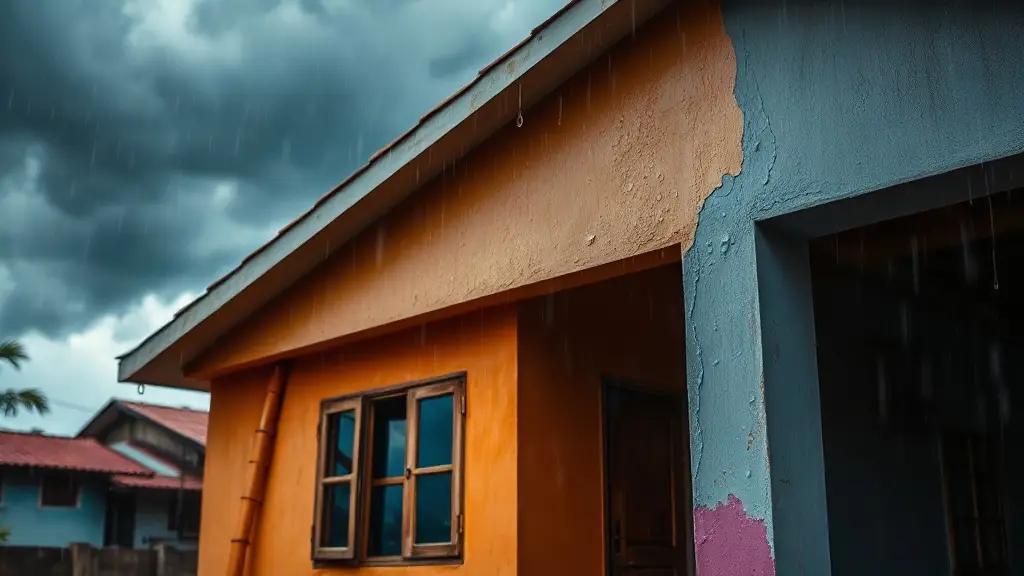
Unlike stainless steel train coaches, residential and commercial buildings in Tamil Nadu face a very different set of challenges. Concrete walls, wooden surfaces, and plastered exteriors are constantly exposed to moisture, heat, heavy monsoon rains, and salt-laden coastal air. These conditions make paint and surface coatings absolutely essential — not just for aesthetics, but for structural protection. A quality exterior paint acts as the first line of defence against water seepage, UV damage, and surface cracks that can compromise the integrity of a building over time.
Choosing the right coating system for your home is far more critical than most people realise. Skipping proper surface preparation or using low-grade products can lead to peeling, blistering, and algae growth within just one or two monsoon seasons — problems that are both unsightly and expensive to fix.
The Role of Surface Preparation in Long-Lasting Finishes
One of the biggest lessons we can draw from the Railways' paint-free approach is the importance of choosing the right material for the right surface. For buildings, that means never underestimating surface preparation. Applying a high-quality wall putty before painting creates a smooth, even base that dramatically improves paint adhesion and longevity. Without it, even premium paint can crack or peel prematurely, especially on new plaster that hasn't fully cured.
Similarly, waterproofing treatments applied to terraces, bathrooms, and exterior walls before painting can save homeowners thousands of rupees in repair costs down the line. Tamil Nadu's humid climate and intense monsoons make waterproofing not a luxury but a necessity for any building that is meant to last decades.
Smart Coating Choices for Tamil Nadu's Climate
While railways can experiment with paint-free stainless steel coaches, your home deserves a thoughtfully planned coating system tailored to local weather conditions. For wooden doors, window frames, and furniture, applying a good wood primer before the topcoat seals the grain, prevents moisture absorption, and ensures the finish stays smooth and durable for years. For interior walls that need character and style, texture paint offers both visual appeal and an added layer of surface protection.
Whether you are renovating an old house in Coimbatore, building a new home in Chennai, or maintaining a commercial property in Madurai, the right paint system — chosen with professional guidance — will always outperform a shortcut approach. Quality products, proper application, and expert advice are what separate a finish that lasts ten years from one that fades in ten months.
Frequently Asked Questions
Q: Do I really need wall putty before painting my interior walls?
Yes, wall putty is highly recommended before applying paint on interior walls. It fills micro-cracks and surface imperfections, creates a uniform base, and significantly improves how well the paint adheres. Without putty, paint may peel or look uneven within a short time, especially on fresh plaster.
Q: How often should exterior paint be redone in Tamil Nadu's climate?
In Tamil Nadu, the combination of intense heat, high humidity, and heavy monsoon rains can be tough on exterior surfaces. A good-quality exterior paint system, applied correctly with proper waterproofing preparation, should last between five to seven years before requiring a full repaint. Regular inspections after each monsoon season are advisable.
Q: What is the benefit of using wood primer before painting wooden surfaces?
Wood primer penetrates the wood grain, seals it against moisture, and provides a stable surface for the topcoat to bond to. It prevents swelling, warping, and peeling — all common issues in humid climates like Tamil Nadu. Skipping the primer almost always leads to a shorter lifespan for the paint finish on wooden surfaces.
Related Products at Quality Colours
- Wall Putty – Smooth base for flawless paint finish
- Exterior Paint – Weather-resistant protection for Tamil Nadu homes
- Waterproofing Solutions – Shield your walls from monsoon damage
- Texture Paint – Stylish and durable interior wall finishes
- Wood Primer – Long-lasting protection for wooden surfaces
Need expert paint advice? Call or WhatsApp Quality Colours: +917418831122
Source: Antyodaya Express becomes first paint-less train by Indian Railways - The Times of India


