
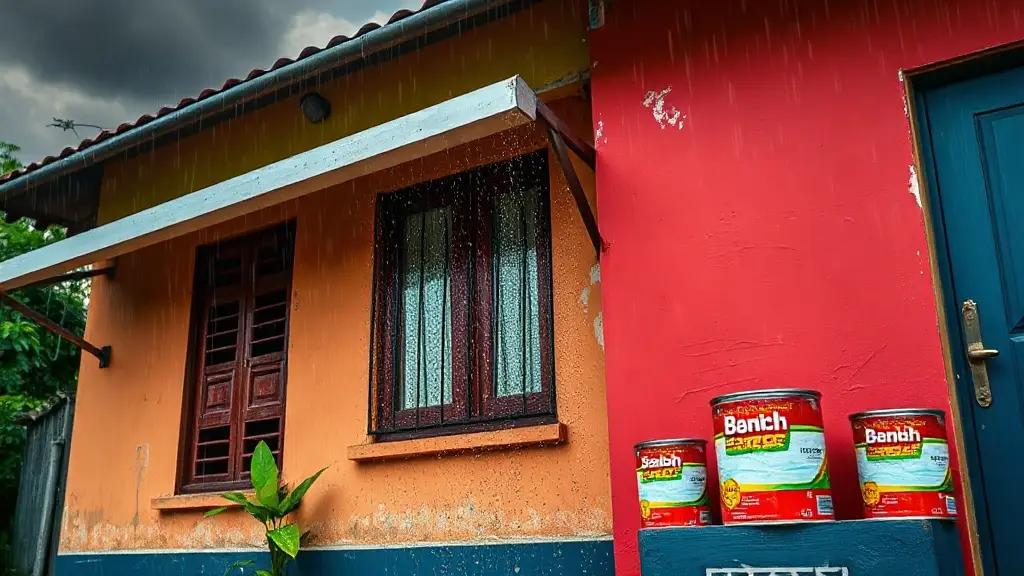
Tamil Nadu's monsoon season brings much-needed relief from the scorching heat, but it also unleashes a wave of challenges for your home's painted surfaces. Heavy rainfall, rising humidity, and relentless moisture seeping through walls can cause blistering, peeling, and unsightly damp patches that are expensive to repair. Whether you are a homeowner trying to maintain your property's appearance or a contractor preparing homes for the rainy months ahead, understanding how to protect painted surfaces before and during the monsoon is absolutely essential. A little preparation now can save you thousands in repair costs later.
Why Monsoon Weather Is Harsh on Wall Paint
During the monsoon, walls are constantly exposed to moisture, wind-driven rain, and fluctuating temperatures. These conditions create the perfect storm for paint failure — water penetrates tiny cracks, expands as it is absorbed into the substrate, and eventually forces paint films to bubble and peel away from the surface. Exterior walls that face open skies are particularly vulnerable. Older homes across Tamil Nadu, especially those with bare or poorly finished exterior surfaces, tend to show significant damage within just a few seasons.
The key culprit is often poor surface preparation before painting. Walls that were not properly smoothed with a good-quality wall putty before painting tend to have micro-pores and uneven patches where water easily finds entry points. Addressing this layer is one of the most important steps in building a long-lasting paint system that can withstand the monsoon season effectively.
How to Prepare and Protect Your Exterior Surfaces
The best defence against monsoon damage is a robust waterproofing system applied well before the rains arrive. Start by thoroughly inspecting your exterior walls for cracks, hairline fractures, and damaged plaster. Fill these gaps with appropriate materials and allow them to cure fully. Next, apply a dedicated waterproofing coat or primer that forms a barrier against moisture ingress. This step is non-negotiable for homes in coastal and high-rainfall zones of Tamil Nadu such as Chennai, Pondicherry, and Kanyakumari districts.
Once the waterproofing layer is in place, finish with a high-quality exterior paint that is specially formulated to resist algae, fungal growth, and UV degradation — all of which intensify during and after the monsoon. Premium exterior paints contain additives that repel water while still allowing the wall to breathe, preventing trapped moisture from building up behind the paint film. Choosing the right paint system is just as important as the application method.
Maintaining Woodwork and Special Finishes During the Rains
Wooden doors, window frames, and furniture exposed to monsoon humidity are also highly susceptible to damage. Wood absorbs moisture rapidly, causing it to swell, warp, and eventually crack the paint or varnish sitting on top. A good-quality wood primer applied before your topcoat creates a sealed, stable base that prevents moisture from penetrating the grain. Recoating wooden surfaces annually before the monsoon season is a simple habit that dramatically extends their lifespan.
If you want to add character to interior accent walls while also protecting them, texture paint is worth considering. Modern texture paint formulations offer excellent coverage and some water-resistance properties, making them a practical and attractive choice for rooms that experience condensation or mild damp issues. Always ensure the substrate is fully dry and prepped before applying any specialty finish for the best long-term results.
Frequently Asked Questions
Q: Can I paint my exterior walls during the monsoon season in Tamil Nadu?
It is generally not recommended to paint exterior walls during active monsoon periods because high humidity and wet surfaces prevent paint from adhering and curing correctly. Ideally, plan your exterior painting work in the months just before the monsoon arrives, giving the paint sufficient time to cure and bond properly with the surface.
Q: How does waterproofing paint differ from regular exterior paint?
Waterproofing coatings are specially engineered to form a highly flexible, impermeable film that actively blocks water penetration rather than simply resisting surface moisture. Regular exterior paints offer some level of water resistance, but dedicated waterproofing products provide a stronger barrier and are better suited to walls that face direct driving rain or are prone to seepage and damp patches.
Q: How often should I repaint my home's exterior in Tamil Nadu's climate?
Given Tamil Nadu's intense heat followed by heavy monsoon rainfall, most homes benefit from an exterior repaint every three to five years. However, this depends on the quality of products used, the thickness of application, and how well the surface was prepared. Using premium exterior paint with a proper waterproofing undercoat can extend the repainting cycle significantly, saving you both time and money in the long run.
Related Products at Quality Colours
- Waterproofing Solutions — Keep moisture out and protect your walls year-round
- Exterior Paint — Weather-resistant finishes built for Tamil Nadu's climate
- Wall Putty — Smooth, strong base coats for lasting paint adhesion
- Texture Paint — Decorative and protective finishes for interior and exterior walls
- Wood Primer — Seal and protect wooden surfaces before the rains arrive
Need expert paint advice? Call or WhatsApp Quality Colours: +917418831122
Source: How To Safeguard Your Car's Paint In The Monsoon Season - DriveSpark


