
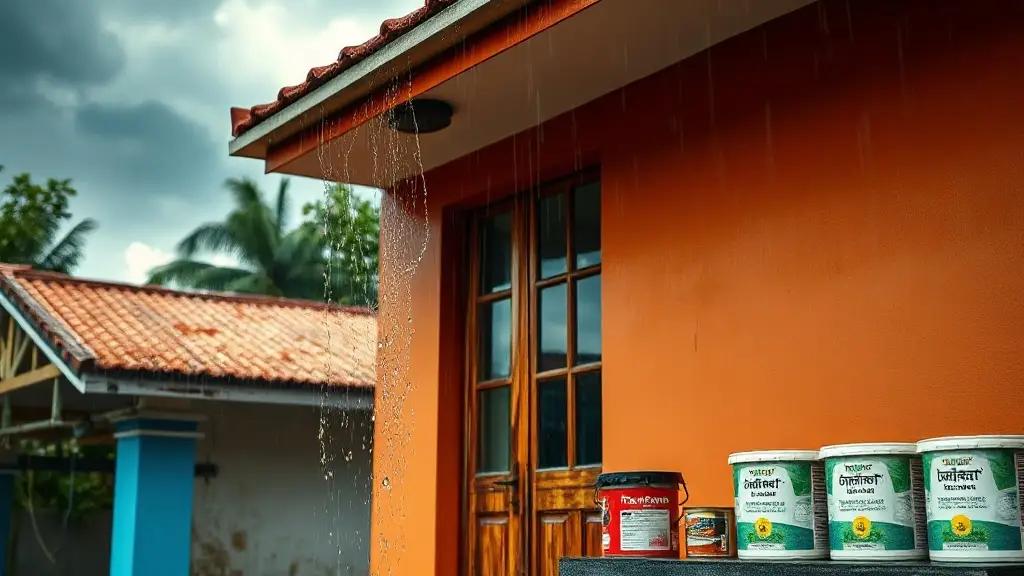
Tamil Nadu's monsoon season brings welcome relief from the summer heat, but it also unleashes relentless humidity and moisture that can wreak havoc on your wooden furniture. Whether it's your prized teak dining set or classic wooden wardrobes, untreated wood absorbs moisture quickly, leading to swelling, warping, mould growth, and eventual structural damage. The good news is that with a few smart precautions and the right protective treatments, you can keep your wooden pieces looking great and lasting longer — even through the heaviest downpours the northeast or southwest monsoon throws at Tamil Nadu.
Understanding How Monsoon Humidity Damages Wood
Wood is a naturally porous material, which means it constantly exchanges moisture with the surrounding air. During the monsoon months, indoor humidity levels in cities like Chennai, Coimbatore, and Madurai can soar well above 80%, causing wood fibres to swell and then contract as conditions change. Over multiple cycles, this expansion and contraction weakens joints, cracks surfaces, and creates tiny gaps where mould and mildew can take hold. Furniture placed near windows, balconies, or poorly ventilated rooms is especially vulnerable to this kind of damage.
The real danger is that moisture damage is often invisible at first. By the time you spot a warped drawer or a musty smell, the internal fibres of the wood may already be compromised. Acting before the monsoon arrives — rather than after damage appears — is always the smarter and more cost-effective approach for homeowners and interior contractors alike.
How to Prepare and Protect Wooden Furniture Before the Rains
One of the most effective ways to guard wooden furniture and fixtures is to apply a quality wood primer before any finishing coat. A good wood primer seals the grain, prevents moisture from penetrating deep into the fibres, and creates a stable base for paint or varnish. For wooden doors, window frames, and built-in furniture that face direct exposure to rain splash or condensation, applying a wood primer followed by a durable topcoat can dramatically extend the life of the surface. This is especially important for exterior-facing wooden elements on balconies and verandas.
Beyond priming, keeping furniture away from direct rain ingress and using moisture-absorbing products like silica gel pouches inside cupboards and drawers can make a real difference. Regularly wiping down wooden surfaces with a dry cloth, ensuring adequate cross-ventilation in rooms, and running a dehumidifier in enclosed spaces are all practical steps that cost very little but deliver significant protection. For outdoor wooden garden furniture, consider moving pieces under covered areas or applying a waterproof sealant before the monsoon season begins.
Long-Term Monsoon Protection for Walls and Wooden Elements Together
Many homeowners focus only on furniture and overlook the fact that damp walls accelerate wood damage. When interior walls absorb moisture and seep it into adjacent wooden frames or skirting boards, even well-sealed furniture can suffer. Addressing your walls with a quality waterproofing solution before the monsoon is therefore just as important as treating the wood itself. A reliable waterproofing treatment on exterior walls and vulnerable interior surfaces creates a moisture barrier that protects both the structure and the wooden elements within your home.
Similarly, if your interior walls are freshly plastered or repaired after monsoon damage, applying a smooth coat of wall putty before painting ensures a uniform, sealed surface that resists moisture seeping through hairline cracks. This combination of waterproofed walls and properly primed wood creates a comprehensive defence system for your entire home during the rainy season — a strategy that professional contractors in Tamil Nadu increasingly recommend to clients who want lasting results without repeated repairs every year.
Frequently Asked Questions
Q: How often should I apply wood primer to furniture and wooden fixtures?
Ideally, wooden surfaces exposed to humidity or outdoor conditions should be re-primed and repainted every two to three years. However, if you notice peeling, cracking, or visible moisture staining, it's best to treat the surface immediately regardless of when it was last done. A fresh coat of wood primer before each monsoon season is a wise precaution for wooden doors and window frames.
Q: Can waterproofing treatments on walls actually protect indoor wooden furniture?
Yes, absolutely. Damp walls are one of the leading causes of hidden moisture damage to wooden furniture and frames placed against them. Applying a waterproofing solution to exterior walls and moisture-prone interior walls reduces the overall humidity level inside the room, which in turn slows the rate at which nearby wooden surfaces absorb and release moisture. It's a whole-home approach that delivers better results than treating wood alone.
Q: Is wall putty necessary before painting repaired monsoon-damaged walls?
Yes, applying wall putty after repairing cracks or replastering is highly recommended. Wall putty fills micro-pores and surface irregularities, creating a smooth and sealed base that prevents moisture from penetrating the paint layer. Skipping this step often leads to paint peeling or bubbling within a single monsoon season, especially in humid coastal and semi-coastal areas of Tamil Nadu.
Related Products at Quality Colours
- Wood Primer — Seal and protect wooden doors, frames, and furniture
- Waterproofing Solutions — Keep damp walls and seepage at bay this monsoon
- Wall Putty — Achieve a smooth, moisture-resistant base before painting
- Exterior Paint — Weather-resistant finishes for Tamil Nadu's climate
- Texture Paint — Decorative and durable coatings for interior and exterior walls
Need expert paint advice? Call or WhatsApp Quality Colours: +917418831122
Source: Protect your wooden furniture during monsoon with these essential tips - The Indian Express


