
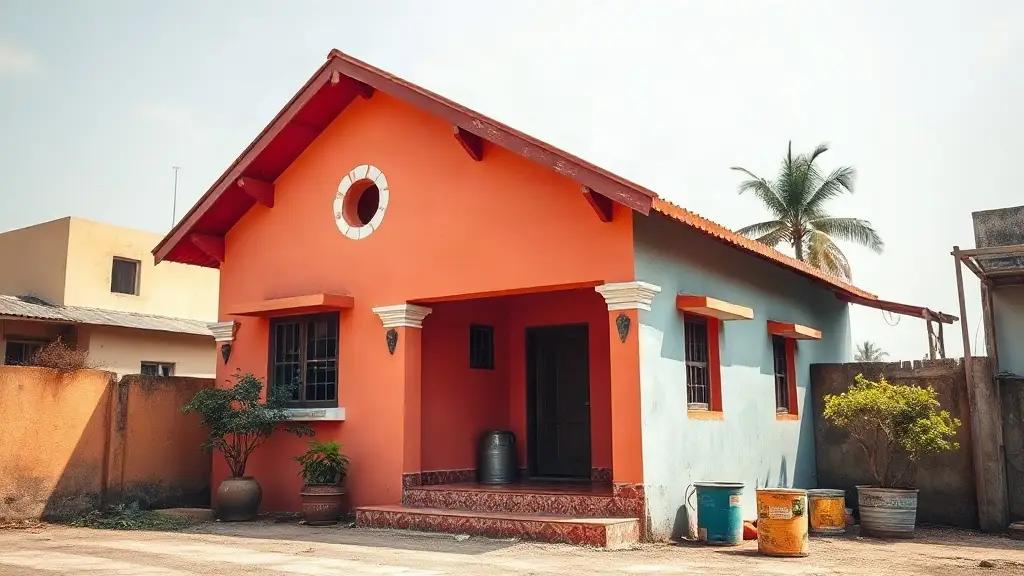
In Tamil Nadu, we're no strangers to diverse weather, but recent global climate shifts bring new challenges for our homes. From intense heat to unexpected downpours, these environmental changes can significantly impact the longevity and appearance of our paintwork. As homeowners and contractors, understanding these effects is crucial for making informed decisions about protecting our properties. At Quality Colours Paint Shop, we're here to guide you through selecting the right products that stand up to the elements and keep your home looking vibrant for years to come.
The Impact of Intense Heat and UV Radiation
Our scorching summers mean prolonged exposure to high temperatures and harsh ultraviolet (UV) rays. This isn't just uncomfortable; it's detrimental to paint. UV radiation can cause colors to fade prematurely, while extreme heat can lead to paint cracking, peeling, and blistering. This is especially true for exterior surfaces that bear the brunt of the sun's intensity all day. Choosing high-quality exterior paint specifically designed with UV resistance and heat reflective properties is paramount. This not only keeps your home's facade looking fresh but can also help in reducing internal temperatures, offering a small but significant energy saving.
Dealing with Increased Rainfall and Humidity
While we welcome the monsoon, climate change can sometimes bring more unpredictable and heavier rainfall, coupled with high humidity. These conditions create a breeding ground for mildew, mold, and algae, which can disfigure paintwork and even compromise structural integrity over time. Water penetration is a major concern, leading to damp patches, paint flaking, and structural damage. Investing in a robust waterproofing solution, either as an additive or a dedicated coat, is a smart long-term strategy. For internal walls, using a quality wall putty before painting helps create a smooth, durable base that resists moisture ingress, preventing common issues like efflorescence.
Protecting Against Air Pollution and Other Environmental Factors
Beyond weather, atmospheric pollution, often exacerbated by environmental changes, also takes its toll. Airborne particles can settle on painted surfaces, dulling their appearance and requiring more frequent cleaning. For homes near industrial areas or busy roads, this is an ongoing battle. Selecting paints that are easily washable or have self-cleaning properties can make maintenance much simpler. Furthermore, for wooden elements like doors and window frames, a good quality wood primer is essential to seal the timber and protect it from moisture, pests, and the general wear and tear from environmental factors, ensuring your wooden finishes remain beautiful and intact.
Frequently Asked Questions
Q: How often should I repaint my exterior walls in Tamil Nadu?A: Given our climate, it's generally recommended to repaint exterior walls every 3-5 years, but this can vary based on the quality of the paint used and specific environmental exposure. High-quality exterior paint can extend this duration.
Q: Can paint really help keep my home cooler?A: Yes! Modern exterior paint formulations include heat-reflective technology that can significantly reduce the amount of heat absorbed by your walls, leading to a cooler interior and potentially lower energy bills.
Q: What's the best way to prevent mold and mildew on painted surfaces?A: Using an exterior paint with anti-fungal and anti-algal properties is key. For interior spaces, ensuring good ventilation and addressing any underlying moisture issues, along with applying a mildew-resistant paint, will help prevent growth.
Related Products at Quality Colours
Need expert paint advice? Call or WhatsApp Quality Colours: +917418831122
Source: Contemporary Artists Bring the Realities of Climate Change into Focus - Artsy


