The construction and home improvement industry in India keeps evolving, and one of the latest innovations making waves is polyurethane (PU) tile adhesive. Walplast recently introduced their HomeSure TileEx EX-566 PU Tile Adhesive, signalling a shift in how tiles are fixed in modern homes. For homeowners and contractors in Tamil Nadu, understanding this technology — and how it fits alongside other essential products like waterproofing solutions and wall putty — can make a huge difference in the long-term quality of any renovation or new build project.
What Makes PU Tile Adhesive Different from Traditional Options?
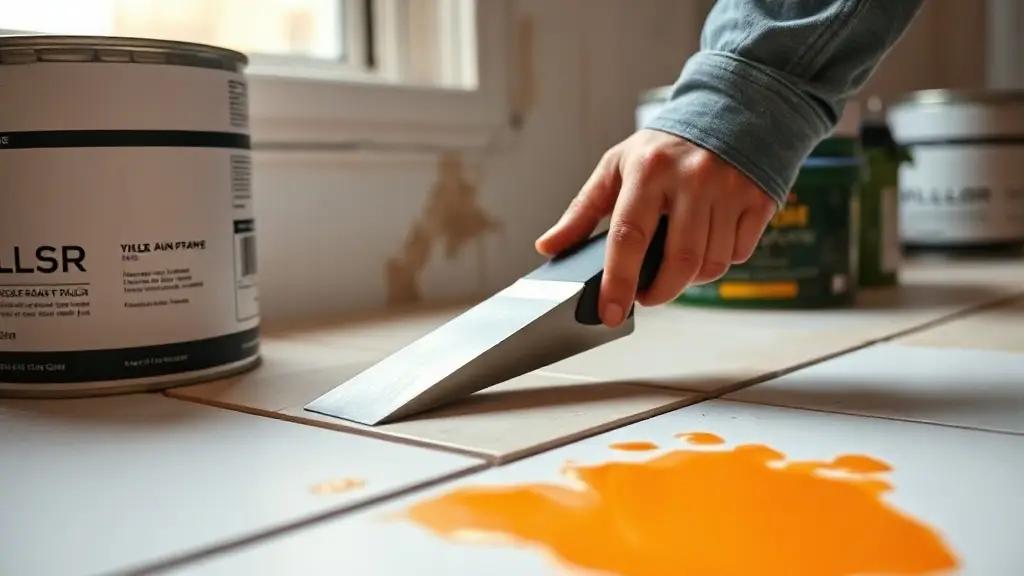
Conventional tile fixing methods typically rely on cement mortar or standard adhesive powders. While these have served builders for decades, they come with limitations — including longer curing times, susceptibility to moisture, and potential for tile debonding in high-traffic or wet areas. PU-based tile adhesives use a two-component polyurethane formula that creates an exceptionally strong, flexible bond once cured.
This flexibility is particularly valuable in Tamil Nadu's climate, where temperature fluctuations and monsoon humidity can cause materials to expand and contract. A rigid bond in such conditions often leads to cracked or loosened tiles over time, whereas a PU adhesive accommodates movement and maintains its grip even under thermal stress or water exposure.
Key Benefits for Residential and Commercial Tiling Projects
One of the standout advantages of PU tile adhesive is its exceptional resistance to water and chemicals, making it an ideal choice for bathrooms, kitchens, and outdoor spaces. When you pair this with a high-quality waterproofing treatment on the substrate before tiling, you get a system that genuinely protects your surfaces from moisture ingress for years. This is especially important for flat rooftops, terraces, and external walls in Tamil Nadu where heavy rainfall during the northeast monsoon season can cause significant water damage.
In addition to water resistance, PU adhesives typically require less material per square metre compared to thick-bed mortar methods, which reduces waste and overall project cost. They also offer superior bonding on difficult substrates such as existing tiles, wooden surfaces, and plywood — giving contractors more flexibility on renovation jobs where stripping old tiles may not be practical.
Tips for Getting the Best Results When Tiling Your Home
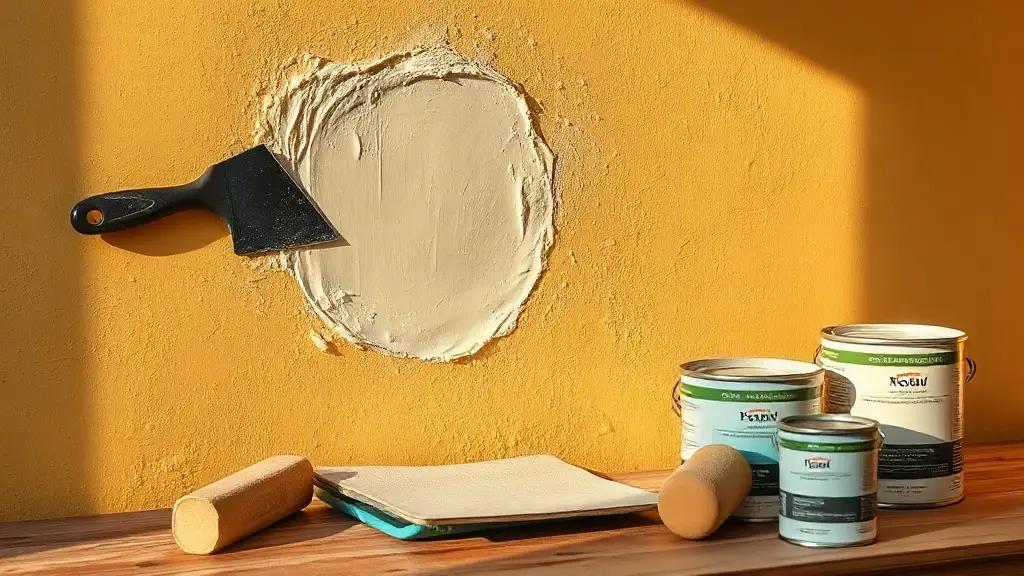
No matter how advanced your adhesive is, surface preparation remains the foundation of any successful tiling job. Before applying any tile adhesive, ensure the wall or floor surface is clean, dry, and free of dust, oil, or loose particles. For new plaster walls, applying a premium wall putty helps create a smooth, even base that improves adhesion significantly. Skipping this step often leads to uneven tile surfaces and premature failure of even the best adhesives.
For exterior wall tiles and facade cladding, consider using an exterior paint system with weather-resistant properties on adjoining surfaces to maintain a cohesive, durable finish. When working on older homes in Tamil Nadu, it is also wise to check for any pre-existing dampness in walls before starting — treating moisture problems first with a dedicated waterproofing solution will protect your tiling investment and prevent unsightly efflorescence or staining from appearing through grout lines later on.
Frequently Asked Questions
Q: Can PU tile adhesive be used in wet areas like bathrooms and kitchens?
Yes, PU tile adhesive is specifically well-suited for wet areas because its polyurethane chemistry provides excellent resistance to water and humidity. When combined with proper waterproofing of the substrate, it creates a reliable, long-lasting tiling system ideal for bathrooms, kitchens, and other moisture-prone spaces.
Q: Do I still need wall putty if I am using a high-quality tile adhesive?
Wall putty and tile adhesive serve different purposes. Wall putty is used to smooth and prepare plaster surfaces before painting or tiling, filling minor imperfections and improving bonding. Using wall putty on new plaster walls before tiling ensures a uniform, stable base, which helps the tile adhesive perform at its best and prevents uneven tile layouts.
Q: How does Tamil Nadu's humid climate affect tile bonding, and how can I prevent tiles from falling off?
High humidity, monsoon rains, and temperature swings in Tamil Nadu can weaken traditional cement-based tile bonds over time, leading to hollow spots or debonded tiles. Using a flexible PU or polymer-modified tile adhesive, ensuring thorough waterproofing of the substrate, and allowing adequate curing time before grouting are the best ways to prevent tile failure in local climatic conditions.
Related Products at Quality Colours
- Wall Putty – Smooth base coat for walls before painting or tiling
- Waterproofing Solutions – Protect your home from moisture and leaks
- Exterior Paint – Weather-resistant finishes for Tamil Nadu's climate
- Texture Paint – Decorative and durable wall finish options
- Wood Primer – Essential surface prep for all wooden surfaces
Need expert paint advice? Call or WhatsApp Quality Colours: +917418831122
Source: Walplast Launches 'HomeSure TileEx EX-566 PU Tile Adhesive' - Passionate In Marketing