
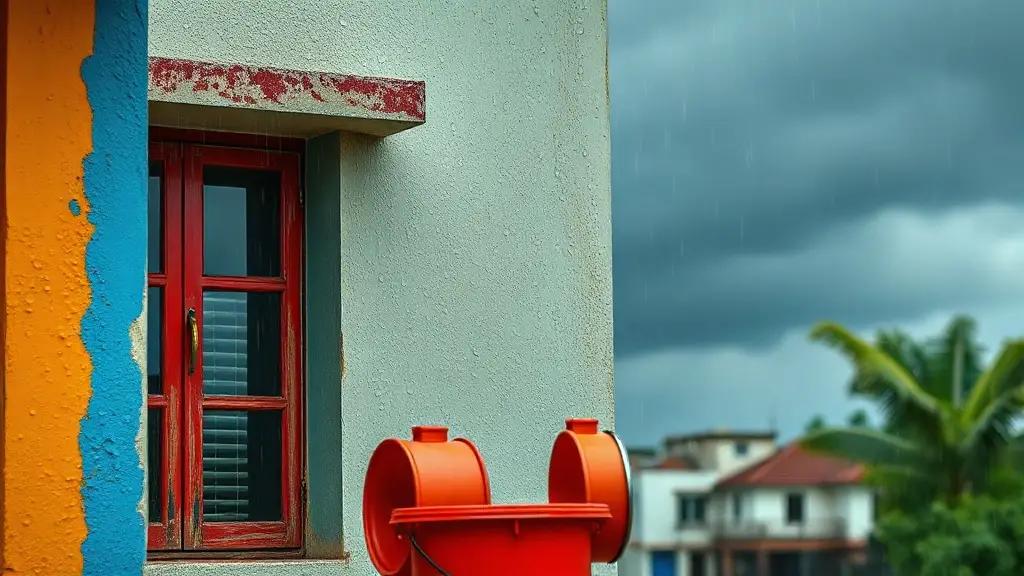
South Korea has been turning rainy days into magical experiences with a fascinating concept: street art that only becomes visible when it rains. Hidden patterns and vibrant murals emerge on pavements and walls the moment rainwater touches the surface — transforming a dull monsoon afternoon into something straight out of a K-drama. While this trend is delightfully creative, it got us thinking closer to home. Here in Tamil Nadu, where heavy monsoon rains are a seasonal reality, understanding how paint and coatings interact with water isn't just artistic — it's absolutely essential for protecting your home and property.
How Rain Reveals the Importance of Quality Exterior Coatings
The South Korean rain-art technique works because certain hydrophobic coatings repel water in specific ways, making underlying colours pop. This same science is what makes high-performance exterior paint so critical for Indian homes. When monsoon rains lash against your walls, a poor-quality or ageing paint coat can absorb moisture, leading to peeling, bubbling, and unsightly stains. A good quality exterior paint, formulated with weather-resistant binders, ensures that rainwater simply runs off the surface rather than seeping in.
For homeowners and contractors across Tamil Nadu — whether you're in Chennai, Coimbatore, Madurai, or Salem — choosing the right exterior paint before the rainy season can make the difference between walls that look fresh year after year and walls that show cracks and dampness after just one monsoon. Don't wait until the damage appears; prevention is always more cost-effective than repair.
The Hidden Threat Beneath the Surface: Why Waterproofing Matters
What makes rain-art so surprising is that the real picture is hidden until water arrives. Similarly, moisture damage inside your walls often stays hidden until it's far too late. Water seeps through microscopic cracks, travels behind paint films, and silently weakens plaster and concrete. By the time you notice a damp patch or a peeling wall, the structural damage may already be significant. This is why applying a reliable waterproofing solution before painting is a step that should never be skipped — especially on terraces, bathrooms, and exterior walls.
A proper waterproofing treatment creates an invisible barrier that blocks water ingress at the source. When combined with a smooth base coat of wall putty to fill hairline cracks and surface imperfections, your walls get a double layer of protection. Wall putty not only improves the adhesion of subsequent paint layers but also seals minor gaps that could otherwise act as entry points for rainwater. Together, these two preparatory steps form the foundation of a truly weather-resistant finish.
Inspired by Art: Using Texture Paint to Add Character to Your Walls
The rain-art movement in South Korea proves that walls are more than just boundaries — they are canvases waiting to tell a story. Tamil Nadu homeowners can draw inspiration from this idea by exploring texture paint finishes that add depth, personality, and visual interest to both interior and exterior surfaces. Texture paint creates raised or patterned surfaces that not only look stunning but also offer an additional layer of protection by increasing the surface area that sheds water.
From rustic sandstone effects to smooth European finishes, texture paint options available at Quality Colours can completely transform the look of a room or a building facade. Whether you're a homeowner looking to refresh your living room feature wall or a contractor working on a commercial property, texture coatings offer a creative and practical upgrade. And for wooden doors, window frames, and furniture, don't overlook a good wood primer — it seals the wood grain, prevents moisture absorption, and ensures that your topcoat adheres perfectly for a long-lasting finish.
Frequently Asked Questions
Q: How do I protect my exterior walls from monsoon damage in Tamil Nadu?
Start by repairing cracks with a quality wall putty, then apply a waterproofing coat, and finish with a high-performance exterior paint. This three-step process forms a strong barrier against rain, humidity, and UV exposure common in Tamil Nadu's climate.
Q: What is the best time of year to repaint the exterior of my house in Tamil Nadu?
The ideal time is just before the monsoon season begins — typically between March and May — or immediately after the rains end, around November to January. Painting in dry conditions ensures proper adhesion and curing of the paint film for maximum durability.
Q: Can texture paint be used on exterior walls in rainy regions?
Yes, many texture paint products are specially formulated to be weather-resistant and are suitable for exterior use. They add both aesthetic value and an extra layer of protection. Always consult your paint supplier to choose a texture paint rated for exterior and high-moisture environments.
Related Products at Quality Colours
- Wall Putty — Fill cracks and create a smooth base before painting
- Exterior Paint — Weather-resistant coatings for Tamil Nadu's monsoon climate
- Waterproofing Solutions — Protect terraces, bathrooms, and exterior walls
- Texture Paint — Decorative and protective finishes for walls
- Wood Primer — Seal and protect wooden surfaces before topcoating
Need expert paint advice? Call or WhatsApp Quality Colours: +917418831122
Source: South Korea's Rain-Activated Street Art—A K-Drama Moment in Every Drop - Dojeon Media


